

The Role of Medical Evacuation Coverage in Crew Insurance Plans

Medical evacuation coverage has become one of the most critical components of modern maritime risk management, particularly as yachts operate across increasingly remote and diverse cruising regions. Within comprehensive Yacht Crew Insurance policies, evacuation coverage serves as a safeguard against the unpredictable nature of medical emergencies at sea. It ensures that when onboard treatment is insufficient, crew members can be transported quickly and safely to appropriate medical facilities without hesitation or financial delay.
Why Medical Evacuation Is a Unique Maritime Necessity

Unlike land-based workplaces, yachts often operate far from advanced medical infrastructure. Even in well-developed cruising regions, access to specialist care may require transport over long distances. In remote locations, evacuation may involve coordination between air, sea, and ground services.

Medical evacuation coverage addresses this reality by providing structured access to emergency transport options, whether by helicopter, fixed-wing aircraft, or rapid transfer vessels. Without such coverage, the logistical and financial barriers to evacuation could significantly delay treatment.

Time-Critical Response and Health Outcomes

In medical emergencies, time is often the decisive factor. Conditions such as severe trauma, cardiac events, or acute infections require rapid intervention. Evacuation coverage enables immediate decision-making, allowing captains and managers to prioritize health outcomes rather than cost considerations.

This responsiveness reduces the risk of complications and improves recovery prospects, reinforcing the role of insurance as a proactive health safeguard rather than a reactive expense.

Coordination and Expertise Behind Evacuation Services

Effective medical evacuation extends beyond transport alone. Comprehensive policies include coordination with medical professionals who assess situations remotely, determine appropriate response levels, and guide onboard personnel during initial care.

This integrated approach ensures that evacuation decisions are informed and proportionate, avoiding unnecessary transfers while ensuring critical cases receive immediate attention.

Financial Protection for Crew and Owners

Evacuation costs can be substantial, particularly when international air transport or specialized medical teams are required. Medical evacuation coverage absorbs these costs, protecting crew members from financial burden and owners from unexpected liability.

By providing predictable financial protection, insurance allows yacht operations to plan confidently for a wide range of scenarios.

Supporting Global Cruising and Expedition Yachting

As expedition and long-range cruising gain popularity, evacuation coverage becomes even more essential. Operating in remote regions increases both risk exposure and evacuation complexity, making robust insurance a prerequisite for responsible exploration.

This coverage enables yachts to pursue ambitious itineraries without compromising crew safety.

Conclusion

Medical evacuation coverage plays a central role in crew insurance plans by addressing one of the most critical risks in maritime operations. By ensuring rapid access to appropriate care, it protects health, supports decisive leadership, and underpins safe global cruising.
How Private Escapes Shape Today’s Luxury Travel Experiences


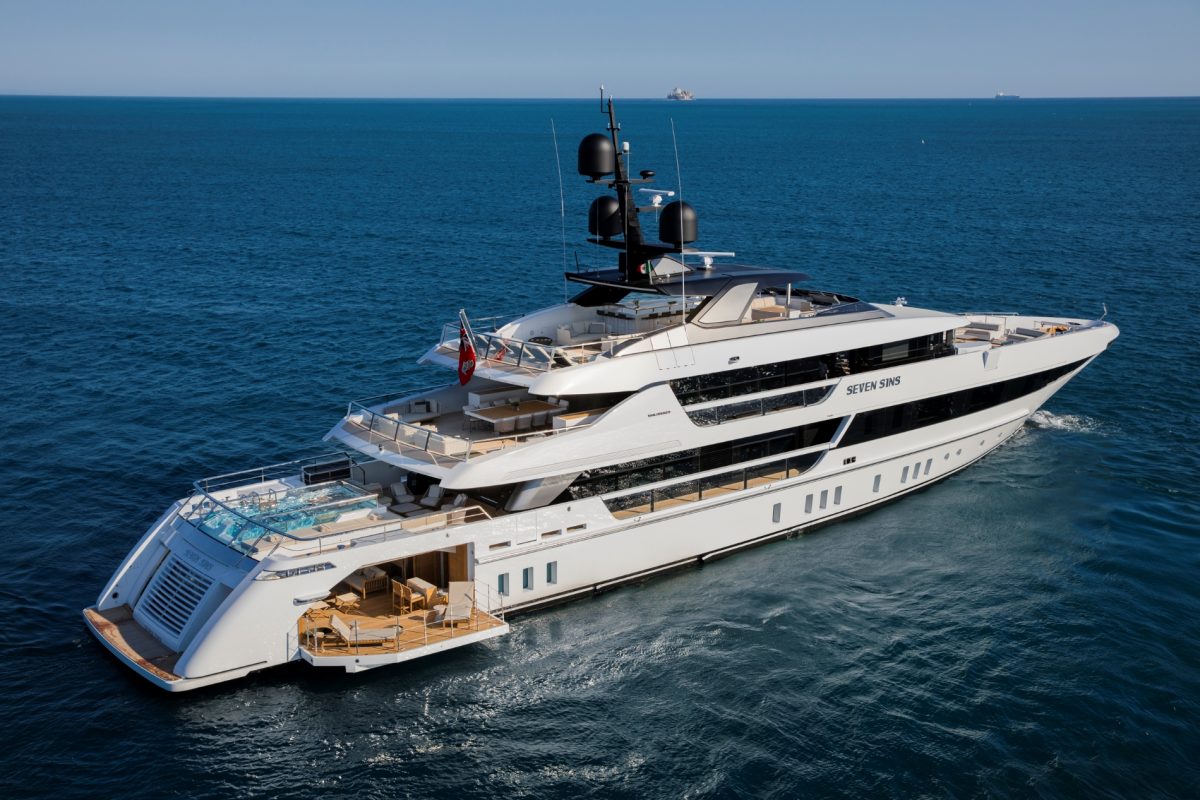
Private escapes have become one of the most influential trends in modern luxury travel, driven by a growing desire for seclusion, personalization, and immersive relaxation far from traditional crowded destinations. Experiences such as st barts yacht charter demonstrate how privacy-focused travel options redefine exclusivity and shape the expectations of high-end travelers seeking tailored environments that align with comfort, discretion, and refined leisure. As travel preferences continue to evolve, private escapes now stand at the center of luxury tourism culture worldwide.


A Shift Toward Seclusion and Controlled Environments

Today’s luxury travelers increasingly prioritize environments where they can disconnect while maintaining access to premium comforts.

Drivers behind this shift include:

  • A desire for uninterrupted relaxation
     
  • Reduced interest in high-density destinations
     
  • Emphasis on personal space and autonomy
     
  • Growing preference for curated privacy
     

This shift reflects a new interpretation of exclusivity.


Personalization as a Defining Feature of Luxury

Private escapes allow for experiences tailored to individual preferences rather than standardized packages.

Personalization trends include:

  • Customized itineraries and leisure activities
     
  • Dining and hospitality adapted to guest preferences
     
  • Flexible scheduling without institutional structure
     
  • Experiences built around lifestyle and mood
     

This level of customization reinforces the appeal of privacy-led travel.


The Role of Yachting in Private Travel Experiences

Yachting remains one of the strongest expressions of private luxury travel, offering freedom of movement and complete spatial control.

Influencing factors include:

  • Access to remote coastlines and secluded bays
     
  • Ability to travel without crowds or fixed schedules
     
  • Private onboard service and amenities
     
  • A seamless blend of mobility and relaxation
     

This maritime experience aligns closely with modern luxury values.


Emphasis on Wellness, Rejuvenation, and Quiet Living

Private escapes often incorporate elements that support physical and mental restoration.

Wellness-oriented components include:

  • Natural surroundings and open-air living
     
  • Opportunities for reflection and digital retreat
     
  • Calm environments free from external demands
     
  • Holistic and nature-linked leisure options
     

These qualities align with evolving wellbeing priorities.


Cultural Immersion Without Mass Tourism

Privacy-focused travel allows guests to engage with local culture in a more meaningful and unobtrusive way.

Cultural benefits include:

  • Authentic interactions at a comfortable pace
     
  • Exploration without tourist congestion
     
  • Access to local gastronomy and artisan heritage
     
  • Preservation of regional character
     

This balanced approach enriches the travel experience.


Growing Demand Across Traveler Demographics

Private escapes now attract a diverse spectrum of luxury travelers rather than a narrow market segment.

Key demographic influences include:

  • Couples seeking intimate retreats
     
  • Families valuing safety and dedicated space
     
  • Remote professionals embracing temporary relocation
     
  • Multi-generational travel seeking shared privacy
     

This broad appeal reinforces the longevity of the trend.


Technology and Service Models Supporting Privacy

Advancements in hospitality logistics have made private travel more seamless and accessible.

Supporting developments include:

  • Discreet concierge coordination
     
  • Remote reservation and itinerary management
     
  • Enhanced private transportation access
     
  • Staffed accommodations with low visibility
     

These services allow privacy without compromising convenience.


Future Outlook for Privacy-Led Luxury Travel

Private escapes are expected to continue shaping the luxury travel sector well into the future.

Projected developments include:

  • Increased integration of sustainability and low-impact travel
     
  • Broader availability of boutique and private-access destinations
     
  • Expansion of yacht-based and villa-based travel formats
     
  • Continued prioritization of autonomy and personalization
     

These patterns confirm the lasting relevance of private travel experiences.


Conclusion

Private escapes play a central role in shaping today’s luxury travel expectations, blending seclusion, personalization, wellness, and cultural depth. As travelers increasingly seek meaningful and exclusive experiences, privacy-focused travel continues to redefine what luxury represents in the modern world