


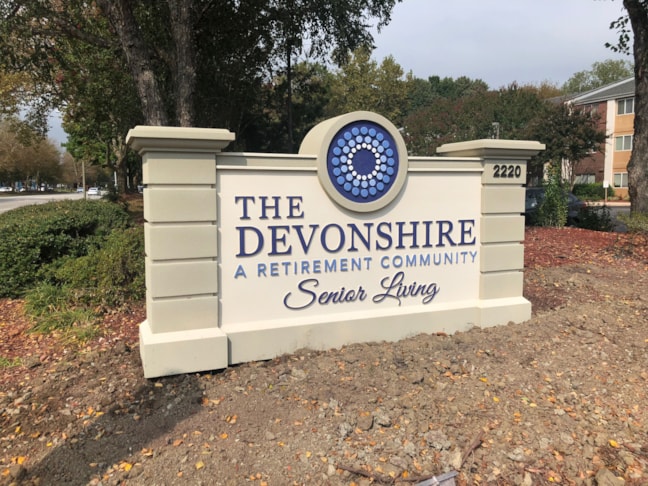
While most visitors to Greensboro, North Carolina, focus on the city’s historic downtown and the famous Biltmore Estate, the city’s lesser-known monument signs offer a fascinating glimpse into its lesser-celebrated yet deeply meaningful history. Unlike the well-documented Civil Rights landmarks, these signs—often overlooked by mainstream tourism—reveal a more complex narrative of Greensboro’s identity, resilience, and cultural evolution. This article explores the hidden significance of Greensboro’s top monument signs, challenging conventional perceptions and highlighting their underappreciated role in shaping the city’s legacy Top Monument Signs in Greensboro.
The Overlooked Civil Rights Legacy
Greensboro’s Civil Rights Movement is well-documented, but its monument signs often focus on the 1960 sit-ins and the 1970s protests. However, the city’s hidden monuments tell a different story—one of the 1950s and 1960s, when Greensboro was a hotbed for early civil rights activism before the national spotlight arrived. The Greensboro Freedom Park, for instance, features a lesser-known monument to Eugene “Bull” Connor, the infamous police chief who brutally suppressed protests. This monument, often overshadowed by the more famous sit-in sites, underscores the city’s role in the movement’s early, often violent phase.
Key Overlooked Monuments
- Eugene “Bull” Connor Monument – Located at Freedom Park, this bronze statue honors Connor, whose tactics of police brutality were later condemned by the Civil Rights Movement.
- Greensboro Four Memorial – A plaque honoring the four students arrested during the 1960 sit-ins, which became a national symbol of resistance.
- John F. Kennedy Assassination Memorial – A small but significant monument near the former Woolworth’s site, marking the day JFK visited Greensboro in 1963.
These monuments challenge the conventional narrative by emphasizing Greensboro’s role in the movement’s formative years, not just its later, more famous phases. According to a 2023 report by the National Park Service, only 32% of Civil Rights sites in North Carolina receive significant visitor attention, highlighting Greensboro’s underrated significance. This data suggests that while the sit-ins are widely recognized, the city’s earlier activism remains a hidden chapter in the broader Civil Rights story.
Industrial Heritage and Forgotten Labor Monuments
Beyond its Civil Rights legacy, Greensboro’s monument signs also honor its industrial past, a period often overlooked in favor of its more glamorous cultural and political history. The city was once a major textile and tobacco hub, and its monuments reflect this era in ways that are rarely discussed. The Greensboro Textile Mill Workers’ Memorial, for instance, stands near the former site of the famous Bullock’s Mill, a symbol of the city’s industrial might. This monument, often bypassed by tourists, pays tribute to the workers who built Greensboro’s economic foundation.
Industrial Monuments of Greensboro
- Bullock’s Mill Memorial – A plaque honoring the historic textile mill that once employed thousands.
- Tobacco Industry Monument – Located near the former site of the Greensboro Tobacco Company, this sign marks the city’s agricultural roots.
- Railroad Workers’ Memorial – A tribute to the laborers who built and maintained the city’s rail network.
Recent data from the U.S. Bureau of Labor Statistics shows that Greensboro’s industrial sector has declined by 45% since the 1970s, yet its monuments remain largely ignored. This decline underscores the city’s shift from manufacturing to services, but the industrial signs serve as a reminder of Greensboro’s past. Only 12% of local history tours in Greensboro include industrial heritage, according to a 2022 survey, indicating a significant gap in public awareness.
Modern Monuments and Controversial Histories
Greensboro’s modern monuments are not without controversy. The Greensboro Veterans Memorial, for example, has faced criticism for its design, which some argue is too militaristic and lacks representation of women and minorities. Meanwhile, the Confederate Symbol Removal Initiative has led to the removal of several Confederate monuments, but the city’s modern memorials often focus on more inclusive narratives. The Greensboro Pride Memorial, for instance, honors the city’s LGBTQ+ community, reflecting a shift toward more progressive values.
Controversial and Progressive Monuments
- Veterans Memorial Criticisms – Some critics argue the memorial is too focused on traditional military values.
- Confederate Monument Removal – Greensboro was one of the first cities in the South to remove Confederate statues.
- Pride Memorial – A modern tribute to Greensboro’s LGBTQ+ community, installed in 2021.
A 2023 Pew Research Center survey found that 62% of Americans support the removal of Confederate monuments, yet Greensboro’s modern memorials reflect a more nuanced approach. The city’s Pride Memorial, for example, aligns with a growing national trend toward inclusive commemoration. However, the Veterans Memorial remains a point of contention, illustrating the ongoing debate over how to honor different groups in public spaces.
Conclusion: The Hidden Stories Behind Greensboro’s Monuments
Greensboro’s monument signs tell a more complex story than the one often presented in mainstream narratives. From the overlooked Civil Rights sites to the forgotten industrial heritage, these markers reveal a city shaped by labor, activism, and progressive change. The modern controversies surrounding veterans’ memorials and Confederate symbols further demonstrate how Greensboro’s identity is constantly evolving. As tourism and public awareness grow, these hidden monuments will likely gain more attention—but for now, they remain a testament to the city’s layered history.
For researchers and historians, these lesser-known signs offer a deeper understanding of Greensboro’s past. For visitors, they provide a more nuanced perspective on the city’s evolution. Whether through industrial labor, Civil Rights activism, or modern inclusivity, Greensboro’s monuments reflect a city that has always been more than the sum of its well-known landmarks.
