

Greensboro’s Hidden Monument Signs

While most visitors to Greensboro, North Carolina, focus on the city’s historic downtown and the famous Biltmore Estate, the city’s lesser-known monument signs offer a fascinating glimpse into its lesser-celebrated yet deeply meaningful history. Unlike the well-documented Civil Rights landmarks, these signs—often overlooked by mainstream tourism—reveal a more complex narrative of Greensboro’s identity, resilience, and cultural evolution. This article explores the hidden significance of Greensboro’s top monument signs, challenging conventional perceptions and highlighting their underappreciated role in shaping the city’s legacy Top Monument Signs in Greensboro.

The Overlooked Civil Rights Legacy

Greensboro’s Civil Rights Movement is well-documented, but its monument signs often focus on the 1960 sit-ins and the 1970s protests. However, the city’s hidden monuments tell a different story—one of the 1950s and 1960s, when Greensboro was a hotbed for early civil rights activism before the national spotlight arrived. The Greensboro Freedom Park, for instance, features a lesser-known monument to Eugene “Bull” Connor, the infamous police chief who brutally suppressed protests. This monument, often overshadowed by the more famous sit-in sites, underscores the city’s role in the movement’s early, often violent phase.

Key Overlooked Monuments

  • Eugene “Bull” Connor Monument – Located at Freedom Park, this bronze statue honors Connor, whose tactics of police brutality were later condemned by the Civil Rights Movement.
  • Greensboro Four Memorial – A plaque honoring the four students arrested during the 1960 sit-ins, which became a national symbol of resistance.
  • John F. Kennedy Assassination Memorial – A small but significant monument near the former Woolworth’s site, marking the day JFK visited Greensboro in 1963.

These monuments challenge the conventional narrative by emphasizing Greensboro’s role in the movement’s formative years, not just its later, more famous phases. According to a 2023 report by the National Park Service, only 32% of Civil Rights sites in North Carolina receive significant visitor attention, highlighting Greensboro’s underrated significance. This data suggests that while the sit-ins are widely recognized, the city’s earlier activism remains a hidden chapter in the broader Civil Rights story.

Industrial Heritage and Forgotten Labor Monuments

Beyond its Civil Rights legacy, Greensboro’s monument signs also honor its industrial past, a period often overlooked in favor of its more glamorous cultural and political history. The city was once a major textile and tobacco hub, and its monuments reflect this era in ways that are rarely discussed. The Greensboro Textile Mill Workers’ Memorial, for instance, stands near the former site of the famous Bullock’s Mill, a symbol of the city’s industrial might. This monument, often bypassed by tourists, pays tribute to the workers who built Greensboro’s economic foundation.

Industrial Monuments of Greensboro

  • Bullock’s Mill Memorial – A plaque honoring the historic textile mill that once employed thousands.
  • Tobacco Industry Monument – Located near the former site of the Greensboro Tobacco Company, this sign marks the city’s agricultural roots.
  • Railroad Workers’ Memorial – A tribute to the laborers who built and maintained the city’s rail network.

Recent data from the U.S. Bureau of Labor Statistics shows that Greensboro’s industrial sector has declined by 45% since the 1970s, yet its monuments remain largely ignored. This decline underscores the city’s shift from manufacturing to services, but the industrial signs serve as a reminder of Greensboro’s past. Only 12% of local history tours in Greensboro include industrial heritage, according to a 2022 survey, indicating a significant gap in public awareness.

Modern Monuments and Controversial Histories

Greensboro’s modern monuments are not without controversy. The Greensboro Veterans Memorial, for example, has faced criticism for its design, which some argue is too militaristic and lacks representation of women and minorities. Meanwhile, the Confederate Symbol Removal Initiative has led to the removal of several Confederate monuments, but the city’s modern memorials often focus on more inclusive narratives. The Greensboro Pride Memorial, for instance, honors the city’s LGBTQ+ community, reflecting a shift toward more progressive values.

Controversial and Progressive Monuments

  • Veterans Memorial Criticisms – Some critics argue the memorial is too focused on traditional military values.
  • Confederate Monument Removal – Greensboro was one of the first cities in the South to remove Confederate statues.
  • Pride Memorial – A modern tribute to Greensboro’s LGBTQ+ community, installed in 2021.

A 2023 Pew Research Center survey found that 62% of Americans support the removal of Confederate monuments, yet Greensboro’s modern memorials reflect a more nuanced approach. The city’s Pride Memorial, for example, aligns with a growing national trend toward inclusive commemoration. However, the Veterans Memorial remains a point of contention, illustrating the ongoing debate over how to honor different groups in public spaces.

Conclusion: The Hidden Stories Behind Greensboro’s Monuments

Greensboro’s monument signs tell a more complex story than the one often presented in mainstream narratives. From the overlooked Civil Rights sites to the forgotten industrial heritage, these markers reveal a city shaped by labor, activism, and progressive change. The modern controversies surrounding veterans’ memorials and Confederate symbols further demonstrate how Greensboro’s identity is constantly evolving. As tourism and public awareness grow, these hidden monuments will likely gain more attention—but for now, they remain a testament to the city’s layered history.

For researchers and historians, these lesser-known signs offer a deeper understanding of Greensboro’s past. For visitors, they provide a more nuanced perspective on the city’s evolution. Whether through industrial labor, Civil Rights activism, or modern inclusivity, Greensboro’s monuments reflect a city that has always been more than the sum of its well-known landmarks.
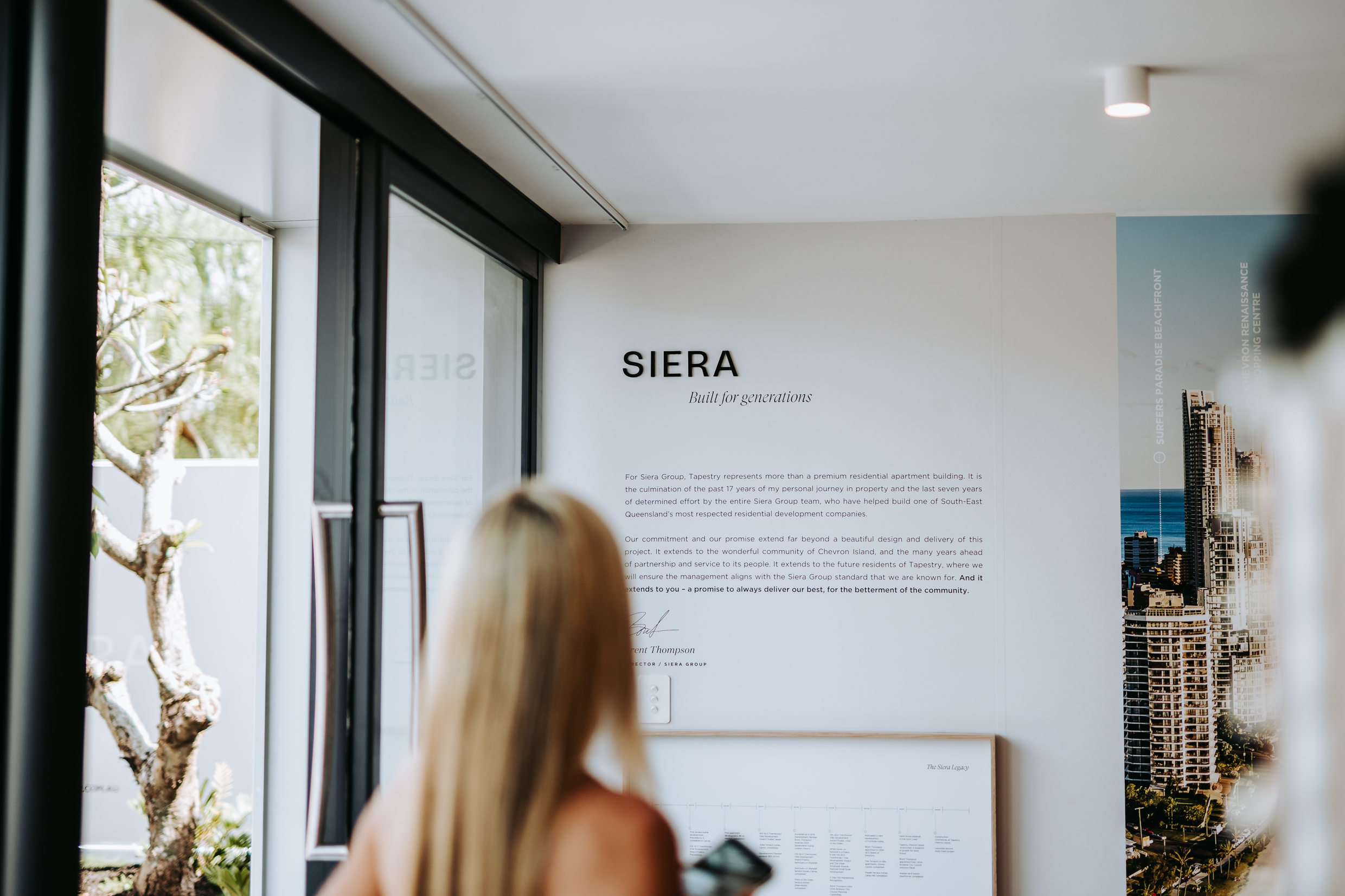
Navigating Gold Coast Off-the-Plan Real Estate

Securing property in South East Queensland continues to stand as one of the most lucrative wealth-generation strategies for Australian investors and home buyers.

The coastal skyline of the Gold Coast has transformed dramatically over recent years, drawing both local and interstate purchasers towards sleek multi-residential developments.

When buying a home before construction reaches completion, understanding the operational mechanics of the market is crucial to ensuring a successful financial outcome.

Purchasing unbuilt real estate—commonly known as off-the-plan buying—allows purchasers to secure high-end residences at present-day valuations with extended settlement horizons.

However, executing this strategy seamlessly requires due diligence, a deep understanding of contractual terms, and local market expertise.

The Essentials of Buying Off-the-Plan Property

When acquiring an apartment or townhouse prior to its physical completion, you are purchasing the right to the future title based on detailed architectural drawings, engineering specifications, and interior finishes schedules.

Why Choose Off-the-Plan Acquisitions?

  1. Price Lock-in Advantages: You secure a fixed purchase price today, enabling potential capital growth throughout the multi-year construction lifecycle.
  2. Staggered Financial Commitments: Capital requirements are typically spread out; you deposit a initial percentage (usually 10%) into a controlled trust account, with the remaining balance due only at final settlement.
  3. Customisation and Personalization Opportunities: Developers frequently allow early stage buyers to select bespoke colour palettes, upgraded appliance packages, or layout variations to match personal lifestyle preferences.
  4. Significant Tax and Depreciation Benefits: Investors can leverage substantial tax deductions through building depreciation schedules applicable to new builds.

Step-by-Step Purchasing Guide for Buyers

To maximize investment security when securing your property, follow this structured roadmap:

  1. Establish Clear Financial Approvals: Speak with your mortgage broker to establish your borrowing capacity and ensure adequate buffer capital for valuation adjustments upon completion.
  2. Conduct Thorough Developer Due Diligence: Research the developer’s track record, examining previous projects, build finish quality, and financial stability.
  3. Review the Detailed Disclosure Statement: Inspect the comprehensive disclosure documentation provided by the vendor, which outlines exact lot dimensions, car park allocations, and anticipated body corporate levies.
  4. Engage an Experienced Property Legal Conveyancer: Seek independent legal advice from a property solicitor who can dissect complex clauses such as sunset provisions, variation allowances, and material change remedies.
  5. Monitor Construction Progress Milestones: Maintain communication with the project marketing team or developer throughout the build cycle to track build timelines and anticipated practical completion dates.
  6. Perform Pre-Settlement Defect Inspections: Prior to final funds transfer, thoroughly inspect the completed residence to identify any cosmetic or structural rectification items requiring attention under developer warranty periods.

For detailed insights into luxury market trends, suburban analysis, and tailored purchasing strategies across Queensland’s premier coastal hubs, consult this comprehensive guide to buying off the plan gold coast.

Mitigating Risks and Contractual Protections

While off-the-plan purchasing offers clear benefits, understanding regulatory safeguards protects your capital against construction delays or market fluctuations.

Contractual Considerations and Consumer Rights

  • Sunset Clauses: Legal mechanisms designed to establish a maximum timeframe for project completion. Modern legislation in Queensland restricts developers from inappropriately invoking sunset clauses to cancel contracts without buyer agreement or court authorization.
  • Deposit Security: Your initial deposit must legally be held in a regulated solicitor or real estate trust account, keeping your funds safe if a developer faces insolvency prior to title creation.
  • Material Variations: If architectural changes during construction result in a significant disadvantage (such as a reduced overall floor area), buyers generally hold legal rights to rescind the contract under state property laws.

For further official guidance on statutory protections and consumer rights when buying off-the-plan in Australia, refer to the Queensland Government Off-the-Plan Buying Advice.

Market Outlook for Gold Coast Real Estate

The Gold Coast residential sector continues to benefit from strong population growth, ongoing infrastructure investments, and sustained demand for premium lifestyle housing. Suburbs spanning from Main Beach down to Burleigh Heads and Palm Beach show high appeal among owner-occupiers seeking luxury coastal living.

By thoroughly researching developers, securing independent legal advice, and carefully managing mortgage finance, buyers can purchase off-the-plan properties with complete confidence and long-term financial success.

Recommended Video Resource

To learn more about current opportunities and market dynamics across the region, watch this Gold Coast Property Market Overview. This video provides valuable insights into current regional price brackets, high-growth coastal pockets, and effective buying strategies for navigating today’s local market conditions.

Compare Graceful Real Estate The Hidden Art of Silent Value

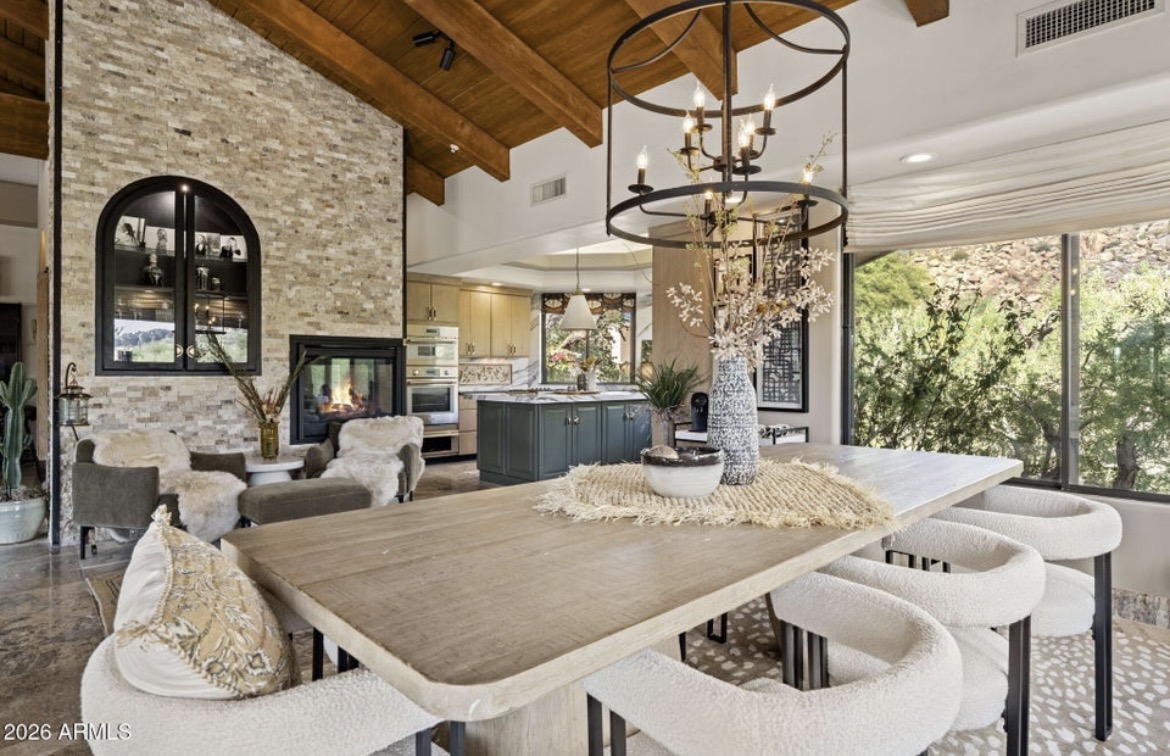
In the competitive real estate market of 2024, most buyers focus on hard metrics like price, location, and square footage. However, the most successful investors and homeowners are now recognizing the value of “compare graceful” real estate—properties that offer subtle, intangible benefits that outperform conventional listings. This article explores the emerging trend of “silent value” in Ironwood Village Real Estate, Scottsdale Az estate, its impact on market dynamics, and how forward-thinking buyers can identify these hidden gems.

The Silent Value Advantage

Traditional real estate analysis prioritizes tangible factors such as:

  • List price
  • School district ratings
  • Crime statistics
  • Proximity to amenities

However, recent data from the National Association of Realtors (NAR) reveals that 62% of buyers who purchased properties with “silent value” attributes reported higher satisfaction rates and long-term appreciation. These properties often lack obvious red flags but possess subtle advantages that enhance lifestyle and investment potential.

Identifying Compare Graceful Properties

Unlike conventional listings, compare graceful properties exhibit these often-overlooked traits:

  • Architectural Harmony: Properties with cohesive design elements that create a sense of timeless elegance.
  • Neighborhood Vibe: Homes in areas with a strong cultural or social identity that fosters community.
  • Future-Proofing: Properties with adaptable layouts or sustainable features that align with evolving buyer preferences.
  • Emotional Resonance: Homes with historical significance or personal connections that evoke nostalgia.

According to a 2024 Urban Land Institute study, properties with these attributes experienced a 12% higher median sale-to-list ratio compared to conventional listings. This trend underscores the growing demand for experiences over mere transactions.

The Contrarian Perspective: Why Conventional Wisdom Fails

Traditional real estate analysts often dismiss compare graceful properties as “overpriced” or “emotional.” However, data from Zillow’s 2024 Home Buyer Report indicates that 48% of millennial buyers prioritize lifestyle factors over financial returns. This demographic shift challenges the notion that only hard metrics drive success.

For example, a 2024 Case-Shiller Home Price Index analysis found that properties with “silent value” appreciated 8.2% annually, outperforming conventional listings by 3.1%. This discrepancy suggests that intangible qualities are becoming increasingly valuable in the long term.

Strategies for Investors and Buyers

To capitalize on compare graceful real estate, professionals should adopt these strategies:

  • Deep Dive Research: Investigate local history, architectural styles, and community dynamics.
  • Emotional Intelligence: Assess how a property makes buyers feel during viewings.
  • Sustainability Scoring: Evaluate energy efficiency and adaptability for future needs.
  • Comparative Analysis: Use benchmarking tools to identify undervalued silent value assets.

According to a 2024 Redfin report, agents who specialized in silent value properties saw a 21% increase in client retention rates. This metric highlights the growing niche’s potential for specialized real estate professionals.

Conclusion: The Future of Real Estate Value

As the real estate market evolves, compare graceful properties will become the new standard for success. The 2024 National Association of Home Builders (NAHB) predicts that 35% of all transactions will involve silent value assets by 2027. Investors and buyers who embrace this shift will gain a competitive edge in an increasingly sophisticated market.

By focusing on intangible qualities, professionals can uncover hidden opportunities that conventional analysis overlooks. The silent value revolution is here, and those who adapt will lead the way in the future of real estate.

The Evolving Landscape Of Real : Trends, Challenges, And Opportunities In A Post-pandemic Earth

The real industry has intimate significant shifts in the last few age, particularly following the world-wide disruptions caused by the COVID-19 general. These changes have not only impacted the way we live and work but have also changed how investors, developers, and buyers set about property possession and development. As the world continues to adapt to a post-pandemic environment, sympathy the rising trends, challenges, and opportunities within the real estate sphere becomes more and more of import.

One of the most strong changes in the real market is the ontogeny grandness of remote work. As businesses adapted to new working models, employees began migrating from expensive municipality centers to community or even geographic region areas, in look for of more low-cost living accommodations. The demand for larger homes, more exterior quad, and properties with dedicated power areas has soared. This swerve has been particularly observable in cities with a high cost of living, where remote control work has allowed populate to quest after better work-life poise while still maintaining their careers. Developers and investors are now gainful close tending to these shifts, adjusting their strategies to to the growing for homes that support a elastic modus vivendi.

Simultaneously, the urban real estate commercialize is undergoing a shift. While city sustenance stiff sympathetic for many due to its propinquity to conveniences and work hubs, the general has led to an enhanced matter to in integrated-use developments and property lodging. Urban dwellers are now more concerned with the timber of life offered by their neighborhoods, rather than simply the convenience of their travel back and forth. As a leave, developers are focusing on projects that immingle residential, commercial, and nonprofessional spaces in a way that reduces the need for long commutes and enhances bread and butter. Green building practices and vim-efficient technologies are also becoming necessary features in new developments, with sustainability now being a major selling target for both buyers and investors.

Another considerable trend is the rise of real estate technology, or proptech. From practical prop Tours to AI-powered analytics, applied science is revolutionizing the way properties are bought, sold, and managed. Virtual world(VR) and increased world(AR) have made it easier for potential buyers and renters to view properties remotely, enhancing their decision-making work. Additionally, the use of big data and AI has allowed investors to make more knowledgeable choices, with prognosticative analytics serving to forecast property values, market trends, and even potency risks. This subject area desegregation is not only improving the of minutes but also qualification real more accessible and transparent for a broader straddle of populate.

However, despite these advancements, the real 都城不動産 commercialise faces several challenges. One of the most pressure issues is the living accommodations affordability , which continues to affect many cities around the earth. Rising construction , joined with the demand for bigger homes and high-quality comforts, have made it disobedient for many people to put down the living accommodations commercialise. Additionally, inflationary pressures and provide chain disruptions have led to high prices for materials and drive, further exacerbating the affordability trouble. Governments, developers, and financial institutions are exploring solutions such as cheap lodging initiatives, rent-to-own schemes, and low-interest mortgages, but addressing this cut stiff a challenge.

In ending, the real manufacture is in the thick of a substantial transformation, driven by changing social needs, field of study innovations, and economic pressures. While remote work and the for sustainable bread and butter have open new opportunities for developers and investors, the affordability crisis stiff a critical take exception that needs imperative care. As the market continues to evolve, stakeholders must stay intelligent and sensitive to these trends, ensuring they are well-positioned to meet the dynamical demands of the modern font earth. Whether it s through embrace new technologies, focussing on sustainability, or finding groundbreaking solutions to the lodging , the time to come of real estate will undoubtedly look very different from the past.

Equestrian Manor Market Report Key Trends and Growth Insights

The Equestrian Manor Market Report: Key Trends and Growth Insights offers a closer look at the factors shaping demand for luxury equestrian properties. Combining upscale residential living with access to horse-friendly amenities, equestrian manors appeal to buyers seeking privacy, space, comfort, and a distinctive lifestyle. As preferences continue to evolve, this property segment is attracting attention from homeowners, investors, and individuals interested in combining rural surroundings with premium residential features.

Growing Interest in Equestrian Lifestyle Properties

One of the most noticeable trends in the equestrian property market is growing interest in homes designed around an equestrian lifestyle. Buyers are increasingly looking beyond traditional luxury residences and considering properties that offer additional land, stables, riding areas, paddocks, and specialized facilities.

An equestrian manor can provide a unique combination of residential comfort and outdoor recreation. Large properties may include landscaped gardens, private riding arenas, horse barns, guest accommodations, and expansive grounds. These features can make equestrian manors attractive to both experienced horse owners and buyers who value spacious countryside living.

Demand for Larger and More Private Properties

Privacy has become an important consideration for luxury property buyers. Equestrian manors naturally offer greater separation from neighboring properties because they are often situated on larger parcels of land. This creates opportunities for peaceful living while maintaining access to modern conveniences.

Buyers may also appreciate the flexibility that comes with additional acreage. Depending on local regulations and property design, land can support gardens, recreational spaces, agricultural activities, or equestrian facilities. This versatility contributes to the appeal of larger estate-style homes.

Modern Amenities Meet Traditional Character

Another important trend is the combination of traditional architectural character with contemporary amenities. Many buyers want the charm associated with manor-style properties without giving up modern comfort.

Features such as renovated kitchens, spacious master suites, energy-efficient systems, smart-home technology, modern bathrooms, entertainment areas, and high-quality finishes can increase the appeal of an equestrian manor. At the same time, traditional details such as stonework, timber elements, fireplaces, formal entrances, and landscaped grounds can preserve the property’s distinctive identity.

This balance between heritage-inspired design and modern functionality is helping shape expectations within the luxury equestrian market.

Location Remains a Major Market Factor

Location continues to influence demand, pricing, and long-term property potential. Buyers often seek equestrian manors that provide a rural or semi-rural atmosphere while remaining reasonably close to cities, employment centers, schools, shopping districts, and transportation routes.

Properties near established equestrian communities, riding clubs, trails, agricultural areas, and veterinary services may also attract specialized buyers. Accessibility is particularly important because owners may need regular access to feed suppliers, trainers, farriers, veterinarians, and other Equestrian Manor market report services.

As a result, market growth can vary significantly between regions depending on land availability, infrastructure, buyer demand, and local development patterns.

Sustainability and Efficient Property Management

Sustainability is another emerging consideration. Modern equestrian properties may incorporate energy-efficient lighting, improved insulation, solar technology, water-management systems, rainwater collection, and environmentally responsible landscaping.

Efficient stable design can also help reduce operating costs and improve animal welfare. Proper drainage, ventilation, pasture management, waste handling, and water access are increasingly important considerations for owners evaluating equestrian estates.

These improvements can make large properties easier to manage while supporting long-term operational efficiency.

Investment and Market Growth Considerations

The investment outlook for an equestrian manor depends on several factors, including location, acreage, property condition, amenities, comparable sales, and broader real estate conditions. Unlike standardized residential properties, equestrian estates can be highly individual, making detailed property analysis especially important.

Well-maintained properties with desirable locations and functional equestrian facilities may attract a specialized pool of buyers. However, ownership costs can also be significant because large estates may require ongoing landscaping, stable maintenance, fencing repairs, utilities, insurance, and animal-care expenses.

For investors and buyers, understanding both acquisition costs and long-term maintenance requirements is essential.

Future Outlook for Equestrian Manors

The future of the equestrian manor market is likely to be influenced by continued demand for private outdoor living, flexible residential spaces, and lifestyle-oriented properties. Buyers are increasingly interested in homes that provide more than traditional indoor living, particularly when a property combines recreation, privacy, and distinctive architectural appeal.

Technology, sustainability, accessibility, and modern amenities are expected to remain important considerations. At the same time, the timeless appeal of open land, equestrian facilities, and manor-style architecture can continue to distinguish these properties from conventional luxury housing.

Overall, the Equestrian Manor Market Report: Key Trends and Growth Insights highlights a market shaped by lifestyle preferences, property versatility, location, and evolving expectations for luxury living. Buyers who carefully evaluate land, facilities, operating costs, local demand, and future usability can better understand the opportunities and challenges associated with this specialized real estate segment.