


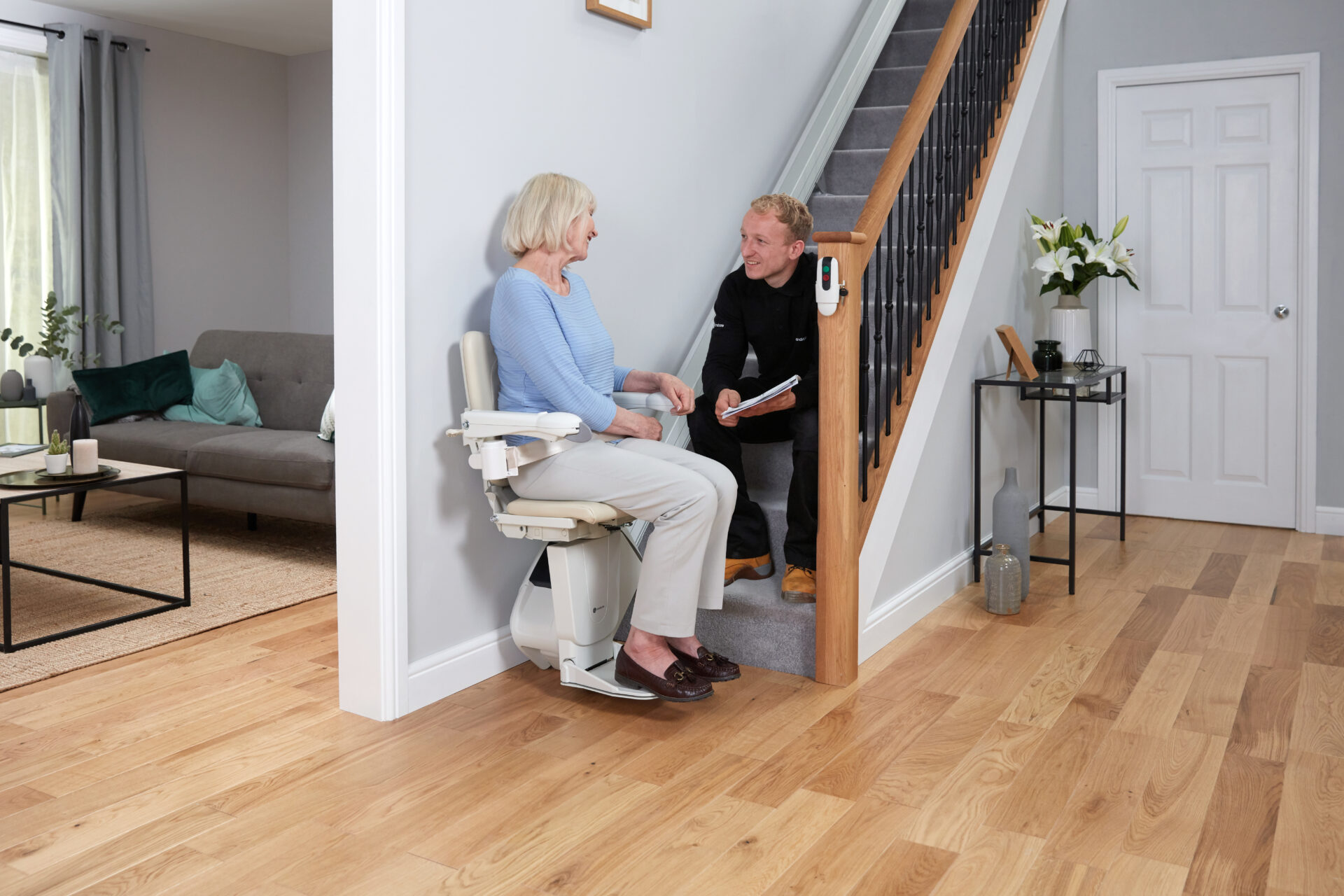
Stair lifts are a life-changing mobility solution for individuals with limited movement, offering safety and independence at home. However, understanding both installation and maintenance is essential for long-term performance. This complete overview explains how stair lifts are installed, how they function, and how to maintain them for lasting reliability.
1. Understanding Stair Lift Installation
Stair lift installation is a structured process carried out by trained technicians. It generally involves measuring, fitting, and testing the system.
The process includes:
- Initial home assessment
- Custom rail fitting
- Seat and motor installation
- Safety testing and user demonstration
Most installations are completed within a few hours for straight staircases, while curved staircases may require additional time.
2. Types of Stair Lift Systems
Different systems are used depending on the staircase structure:
- Straight stair lifts: Standard rail systems for direct staircases
- Curved stair lifts: Custom-built rails for bends and corners
- Outdoor stair lifts: Weather-resistant designs for external use
Choosing the right system is crucial for safe installation and performance.
3. Safety Features During Installation
Modern stair lifts come with advanced safety features that are tested during installation, including:
- Seat belts for secure seating
- Obstacle detection sensors
- Swivel seats for safe entry and exit
- Emergency stop buttons
Installers ensure all features are functioning before handover.
4. Post-Installation Testing and Training
After installation, technicians conduct a full system check and user training.
This includes:
- Testing smooth movement along the rail
- Checking battery backup functionality
- Demonstrating seat operation and controls
- Teaching emergency procedures
Proper training ensures users feel confident and safe.
5. Importance of Regular Maintenance
Like any mechanical system, stair lifts require routine maintenance to remain safe and efficient.
Regular maintenance helps:
- Prevent unexpected breakdowns
- Extend the lifespan of the equipment
- Maintain smooth operation
- Ensure safety compliance
6. Basic Maintenance Tasks
Homeowners can perform simple checks, such as:
- Keeping the rail clean and dust-free
- Ensuring the seat folds properly
- Checking for unusual noises during operation
- Confirming battery charging is consistent
These small actions help maintain daily performance.
7. Professional Servicing Schedule
In addition to basic care, professional servicing is recommended at least once a year.
Technicians typically:
- Inspect mechanical components
- Test motor efficiency
- Check electrical connections
- Replace worn-out parts if needed
Regular servicing reduces long-term repair costs.
8. Common Issues and Troubleshooting
Some minor issues may occur over time, including:
- Slow movement due to low battery
- Obstruction on the rail track
- Remote control malfunction
Most issues can be resolved quickly through cleaning, resetting, or professional support. stair lift installation alexandria.
9. Extending the Lifespan of Your Stair Lift
To ensure long-term use:
- Avoid overloading the seat
- Use the lift regularly to keep the battery active
- Schedule timely inspections
- Follow manufacturer guidelines
Proper usage significantly extends equipment durability.
Conclusion
Stair lift installation and maintenance work together to provide safe, reliable mobility support. A professional installation ensures correct setup, while regular maintenance guarantees long-term performance. By understanding both aspects, homeowners can enjoy peace of mind and improved independence for years to come.
