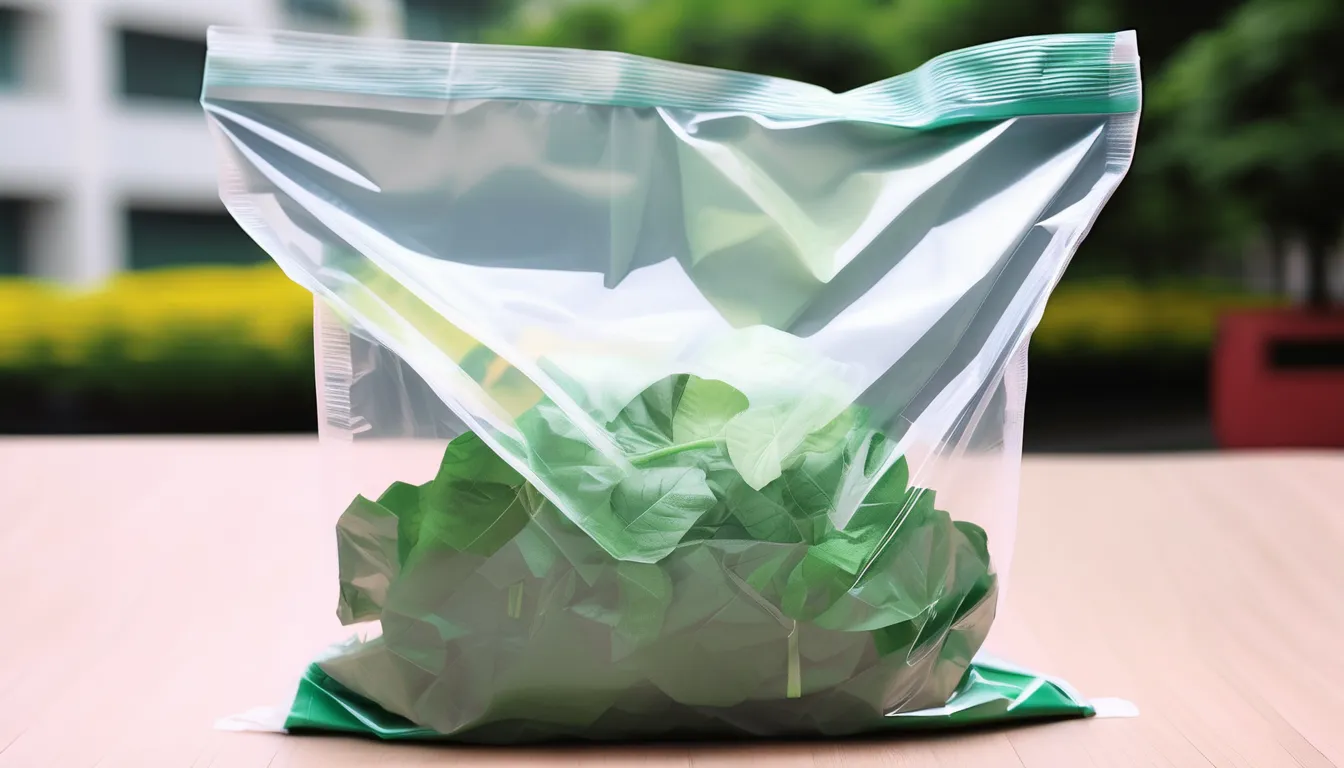
In recent years, environmental sustainability has gained significant attention as societies strive to mitigate the damaging impact of plastic pollution. As traditional plastic bags decompose slowly, resulting in long-term environmental detriments, biodegradable plastic bags have emerged as a promising alternative. These innovative solutions aim to reduce ecological footprints by breaking down more swiftly through natural processes, potentially lowering waste accumulation in landfills and oceans. This guide explores the fundamental attributes of biodegradable plastic bags, their benefits over conventional options, and the technological advancements driving their development. Through this detailed examination, readers will gain insight into how biodegradable plastics can contribute to a more sustainable future in packaging.
What are biodegradable plastic bags and how do they work?
Understanding the science behind biodegradable materials
Biodegradable materials are engineered to decompose through the action of living organisms, typically bacteria or fungi, into natural substances such as water, carbon dioxide, and biomass. This process of biodegradation involves the breakdown of complex molecules into simpler ones via enzymatic reactions. For plastic materials to be deemed biodegradable, they must meet specific criteria, including the ability to physically disintegrate within a designated period—under both aerobic and anaerobic conditions. Critical factors influencing the biodegradability include the chemical structure of the material, environmental conditions, and the presence of adequate microbial activity.
Comparing biodegradable bags to traditional plastic bags
Biodegradable bags offer a compelling advantage over traditional plastic bags in terms of environmental impact. While conventional plastic bags can take hundreds of years to decompose, contributing to persistent pollution, biodegradable bags are designed to break down in a matter of months or years under suitable conditions. Traditional bags are primarily made from petrochemical polymers, which are resistant to microbial degradation, thus posing significant disposal challenges. In contrast, biodegradable bags are often crafted from renewable resources or modified petrochemicals with structures that facilitate microbial assimilation and breakdown, dramatically reducing their ecological footprint.
The role of polymers in biodegradable plastic production
Polymers are the fundamental building blocks of biodegradable plastics, determining their physical properties and degradation behavior. To enhance biodegradability, these polymers may be plant-based, like polylactic acid (PLA), or petroleum-derived with specific additives to promote decomposition. The choice of polymer influences the bag's strength, rigidity, and decomposition rate, requiring careful consideration to balance functionality with environmental impact. Advanced polymer technologies allow for the customization of material properties, enabling manufacturers to produce biodegradable bags tailored to specific applications while ensuring efficient degradation post-use.
Are biodegradable plastic bags truly eco-friendly?
Environmental impact of biodegradable bags vs. conventional plastics
Biodegradable bags offer a significant reduction in environmental impact when compared to conventional plastics, primarily due to their ability to decompose more rapidly under appropriate conditions. This accelerated breakdown minimizes long-term pollution in landfills and natural habitats, often prevalent with traditional plastic bags. However, the environmental benefits of biodegradable bags are contingent upon proper disposal processes and the environmental conditions that promote efficient degradation. Inadequate facilities or improper end-of-life management can negate potential benefits, causing biodegradable bags to persist as pollutants similar to their conventional counterparts.
Examining the carbon footprint of biodegradable bag production
The carbon footprint of biodegradable bag production varies depending on the materials and processes employed. Producing biodegradable bags often involves renewable resources or modified petrochemical processes that can lower emissions compared to conventional plastic production. However, factors such as energy use, transportation, and agricultural impacts associated with raw materials can contribute to the overall carbon footprint. Life cycle assessment (LCA) is critical for understanding the net environmental impact, helping manufacturers identify opportunities to minimize emissions and optimize the sustainability of biodegradable bag production.
Certifications and standards for truly eco-friendly bags
To ensure biodegradable bags meet environmental safety and efficacy criteria, several certifications and standards have been established globally. These include the ASTM D6400 standard in the United States and European standard EN 13432, which define compostability criteria, ensuring bags break down without leaving harmful residues. Certification by these bodies provides transparency and confidence to consumers and businesses seeking to make sustainable choices. Additionally, adherence to standards like ISO 17088 further authenticates the environmental claims of biodegradable bags, fostering trust in their ecological benefits.
How long do biodegradable plastic bags take to decompose?
Factors affecting decomposition rates of biodegradable bags
Decomposition rates of biodegradable bags depend on various environmental conditions and material properties. Factors such as temperature, moisture levels, microbial activity, and the presence of oxygen significantly influence how quickly these bags decompose. Biodegradable materials require specific conditions to break down efficiently, and variations in these conditions can result in differing decomposition timelines. Additionally, the composition of the biodegradable bag itself—such as the presence of additives to enhance breakdown—and its exposure to environmental elements contribute to the overall rate of degradation.
Home compostable vs. industrial compostable bags
The terms "home compostable" and "industrial compostable" refer to the environments in which biodegradable bags are designed to decompose effectively. Home compostable bags are intended to break down in typical backyard compost systems without the need for specialized equipment, characterized by lower temperatures and less controlled conditions. In contrast, industrial compostable bags require the higher temperatures and more stringent conditions found in industrial composting facilities to ensure complete decomposition. Understanding these distinctions is essential for consumers when selecting bags that align with their composting capabilities.
ASTM D6400 and other relevant decomposition standards
ASTM D6400 is a prominent standard for assessing the compostability of plastic products in the United States, specifying that materials should decompose into carbon dioxide, water, inorganic compounds, and biomass within a defined time frame under industrial composting conditions. This standard certifies that plastic bags will not leave toxic residues and will break down efficiently in the intended environment. Other relevant standards include the European standard EN 13432, which also addresses compostability criteria, and ISO 17088, which provides guidelines for determining the aerobic biodegradability of plastics. Adhering to these standards ensures that biodegradable bags meet rigorous environmental safety measures, instilling confidence in their ecological claims.
What are the best uses for biodegradable plastic bags?
Biodegradable bags for shopping and grocery stores
Shopping and grocery stores are prime venues for the adoption of biodegradable bags, as they offer an environmentally friendly alternative to traditional plastic bags. These bags are designed to carry a range of products, from food items to household goods, while minimizing environmental impact. When selecting biodegradable bags for retail use, it is important to ensure that they meet recognized compostability standards such as ASTM D6400, guaranteeing that they will decompose in an appropriate timeframe under industrial composting conditions. This shift supports sustainability initiatives and reduces the plastic waste footprint of consumer goods sectors.
Compostable trash bags and liners Hongren waste management
Compostable trash bags and liners play a pivotal role in waste management systems aiming to decrease landfill contributions and enhance composting practices. These bags are engineered to contain organic waste securely while allowing for effective breakdown in composting environments. By selecting compostable liners that comply with standards such as ASTM D6400, waste management operations can ensure that these products transform into beneficial compost, supporting ecological cycles. This contributes to a circular economy, emphasizing the reduction of waste and the valorization of compostable materials.
Pet waste bags and other specialized applications
Pet waste bags made from biodegradable materials offer pet owners a responsible option for disposing of animal waste. These bags are specifically manufactured to degrade over time without leaving harmful residues, thereby reducing the impact of pet waste on the environment. When used in conjunction with appropriate disposal methods, such as municipal composting systems, they can seamlessly integrate into a broader sustainability framework. Beyond pet waste, other specialized applications, including agricultural and landscaping bags, also benefit from biodegradable technologies, providing efficient and eco-friendly solutions across various sectors.
How can businesses incorporate biodegradable plastic bags into their packaging solutions?
Sustainable packaging options for eco-conscious brands
Eco-conscious brands seeking sustainable packaging solutions can integrate biodegradable plastic bags into their product lines to align with consumer demand for environmentally friendly practices. These bags can significantly reduce the carbon footprint associated with packaging by using materials that break down more rapidly than traditional plastics, minimizing waste and resource consumption. Additionally, such packaging often involves the use of renewable resources, enhancing their overall sustainability and appeal to environmentally conscious customers.
Custom printing and branding on biodegradable bags
Brands can enhance their market presence and consumer engagement through custom printing and branding on biodegradable bags. By incorporating brand logos, eco-friendly messages, and vibrant designs directly onto the packaging, businesses can effectively communicate their commitment to sustainability. This customization can also serve as a differentiator in a crowded marketplace, appealing to an audience increasingly aware of and motivated by corporate environmental responsibility.
Bulk ordering and supply chain considerations
Incorporating biodegradable bags into packaging solutions also requires careful consideration of bulk ordering and supply chain logistics. Businesses must evaluate supplier options to ensure consistent quality and compliance with environmental standards. Engaging with suppliers who understand eco-friendly practices and have a robust network can optimize procurement processes. Furthermore, forecasting demand accurately and maintaining a well-managed inventory can help businesses achieve economies of scale, reducing costs while enhancing their sustainable footprint across the supply chain.
What are the differences between biodegradable, compostable, and recyclable bags?
Defining key terms: biodegradable, compostable, and recyclable
Biodegradable bags are designed to break down naturally through the action of microorganisms over time, returning to organic components that integrate with the environment. However, the conditions required for degradation and the time-frame are not always specified, potentially leading to varied environmental outcomes.
Compostable bags go a step further by not only breaking down but doing so in a composting environment, which ensures that they decompose in a manner that provides nutrients to the soil, usually within a specific time frame. These bags are subject to stricter standards, ensuring they leave no toxic residues.
Recyclable bags are made from materials that can be collected, processed, and transformed into new products, thereby extending the lifespan of the raw materials and reducing the necessity for additional resource extraction.
Comparing the environmental benefits of each option
When comparing environmental benefits, compostable bags provide nutrient-rich by-products beneficial to soil health and agriculture, assuming proper composting facilities are available. Biodegradable bags reduce waste sent to landfills but may require specific conditions that are not always met in the natural environment, potentially leading to incomplete decomposition. Recyclable bags contribute to conservation efforts by mitigating raw material demand and reducing waste, although the recycling process itself requires energy and infrastructure.
Choosing the right type of bag for specific needs
Selecting the appropriate bag type depends on the intended use and disposal options. For contexts with access to industrial composting facilities, compostable bags may offer the most ecological advantage. In environments where facilities and community support for recycling exist, recyclable bags can be highly effective. Biodegradable bags serve well in scenarios where neither composting nor recycling is feasible but should be chosen with awareness of their specific decomposition requirements. Each option presents unique benefits and challenges, necessitating a comprehensive understanding of supply chain capabilities and consumer disposal behaviors.
How can consumers identify and properly dispose of biodegradable plastic bags?
Understanding product labels and certifications
Accurate identification of biodegradable plastic bags begins with understanding the relevant product labels and certifications. These bags are typically marked with standardized symbols indicating compliance with recognized biodegradability standards, such as ASTM D6400 or EN 13432. These certifications ensure that the bag will biodegrade under specified conditions, often requiring commercial composting facilities. Consumers should look for credible certifications on the packaging to make informed decisions about the environmental impact and appropriate disposal methods for these products.
Proper disposal methods for biodegradable bags
Once a biodegradable plastic bag has been identified, proper disposal is crucial to ensure its environmental benefits are realized. Ideally, these bags should be placed in composting bins that are well-maintained and provide the specific conditions needed for decomposition, such as temperature and humidity. Consumers without access to industrial composting facilities should check local waste management resources for suitable community programs. Improper disposal, such as in a landfill, can result in incomplete breakdown and continued environmental impact.
Educating customers on the importance of correct bag disposal
Educating consumers about the significance of correct bag disposal is essential for maximizing the ecological benefits of biodegradable bags. This education can take the form of informational campaigns, including clear signage at points of sale, community workshops, and online resources detailing the impacts of improper disposal. By emphasizing how proper methods contribute to waste reduction and environmental conservation, consumers can be motivated to adhere to proper practices, ultimately fostering community-wide behavioral change in waste management.