As you consider expressing yourself through body art, you’re likely searching for a design that truly represents who you are and what you stand for. You want a tattoo that sparks meaningful conversations and serves as a personal reminder of your values, experiences, or relationships. With so many options available, it can be overwhelming to narrow down your choices. You’re probably wondering what types of designs are out there, and which ones would truly resonate with you. With a curated collection of tattoo ideas, you’re about to discover a world of possibilities that will help you find the perfect expression of yourself.
Celestial Bodies and Stars
Among the numerous tattoo ideas for women, celestial bodies and stars have long been a popular choice. You’re probably drawn to their mystique and symbolism, which can represent various aspects of your life and personality.
Celestial body tattoos often evoke feelings of wonder, magic, and connection to the universe.
If you’re considering getting a tattoo of a celestial body, you have many options to choose from, including stars, moons, suns, and planets. A star tattoo, for instance, can symbolize guidance, hope, or inspiration. A crescent moon can represent growth, transformation, or femininity.
You can also opt for a constellation tattoo, which can be a beautiful representation of your zodiac sign or a favorite mythological story.
When designing your celestial body tattoo, think about the style you want – minimalist, detailed, or abstract.
You can also incorporate other design elements, such as flowers, birds, or trees, to create a unique piece that reflects your personality and style.
Whatever design you choose, a celestial body tattoo will be a stunning reminder of your connection to the universe.
Minimalist Quote Tattoos
You’ve explored the mystical world of celestial body tattoos, and now you might be looking for something that combines visual simplicity with profound meaning.
Minimalist quote tattoos are an excellent choice, as they allow you to convey a powerful message without overwhelming the senses.
These tattoos often feature short phrases or single words that resonate deeply with your personal experiences, values, or goals.
When choosing a quote tattoo, consider the following:
- Keep it short: Opt for a brief phrase or single word to maintain the minimalist aesthetic.
- Choose a meaningful font: Select a font that complements the message and your personal style.
- Consider the placement: Place the tattoo in an area where you can easily conceal it if needed, such as the wrist, ankle, or behind the ear.
- Make it personal: Select a quote that holds personal significance to you, making the tattoo a unique expression of your identity.
The Tree of Life
The Tree of Life is a symbol-rich tattoo design that embodies the connection between nature, humanity, and the cycles of life. If you’re looking for a tattoo that represents growth, renewal, and strength, the Tree of Life is an excellent choice. This design can be personalized to fit your style, with various elements that hold special meaning.
| Trunk |
Branches |
Leaves |
| Strong, sturdy base |
Reaching upwards, symbolizing growth |
Representing new life and renewal |
| Wrapped with vines, signifying connection |
Curved, creating a sense of movement |
Delicate, with intricate details |
| Rooted deep, representing stability |
Stretching towards the sky, embodying freedom |
Blowing in the wind, signifying flexibility |
| Twisted, telling a story of resilience |
Tangled, forming a sense of community |
Shimmering in the sun, radiating joy |
| Weathered, showing signs of experience |
Reaching out, offering support |
Fading, representing the cycle of life |
With its deep symbolism and versatility in design, the Tree of Life tattoo is a beautiful way to express your connection to nature and your journey through life.
Delicate Floral Designs
As you explore the realm of nature-inspired tattoos, your focus shifts from the sturdy Tree of Life to the whimsical world of delicate floral designs.
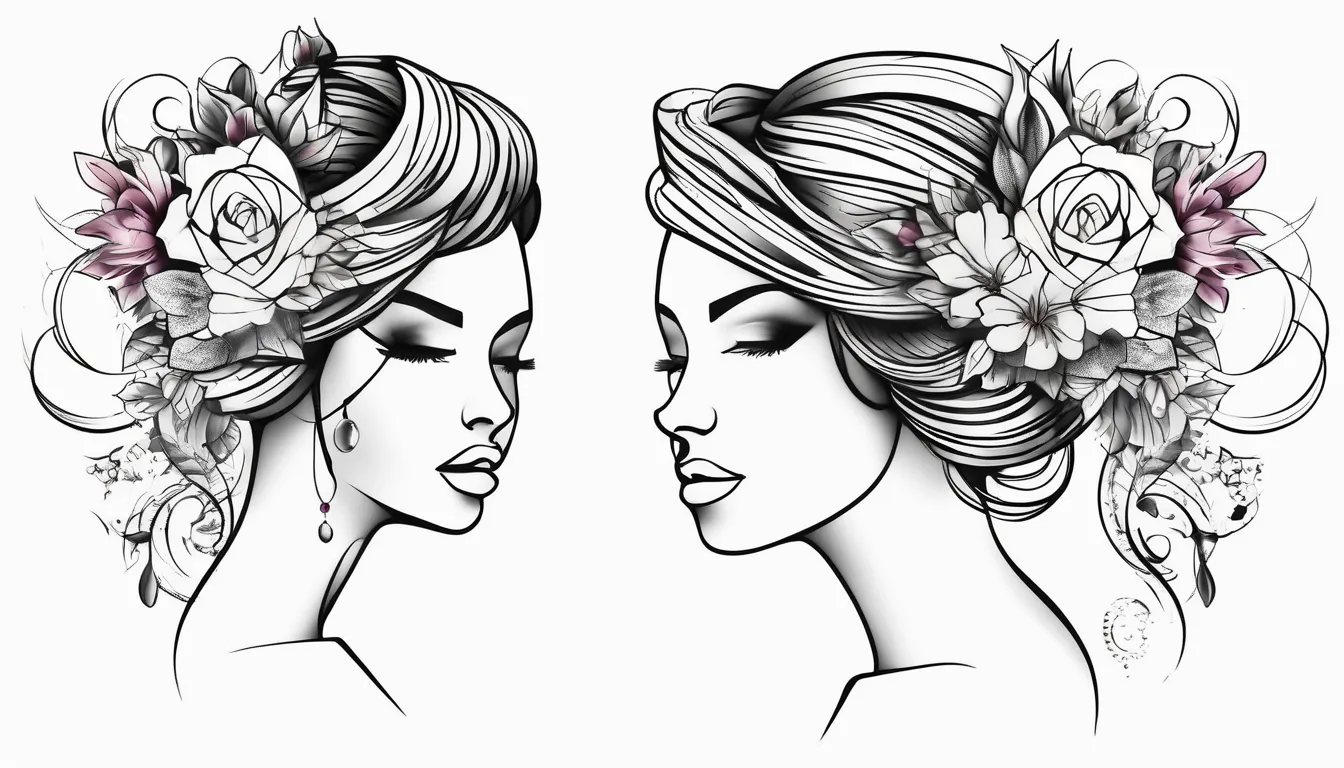
These intricate patterns evoke a sense of elegance and sophistication, making them perfect for women who want a subtle yet meaningful tattoo.
Delicate floral designs can be customized to fit your personal style and preferences. You can choose a single bloom or a bouquet of flowers, depending on the message you want to convey.
Consider the following popular options:
- Minimalist daisies: Representing innocence and purity, daisies are a classic choice for delicate tattoos.
- Tiny cherry blossoms: Symbolizing the fleeting nature of life, cherry blossoms add a touch of whimsy to your design.
- Intricate lavender sprigs: Associated with calmness and serenity, lavender sprigs create a soothing and peaceful atmosphere.
- Dainty wildflowers: Representing freedom and spontaneity, wildflowers add a playful touch to your tattoo.
When choosing a delicate floral design, remember to consider the placement and size of your tattoo. A small, dainty design can be just as striking as a larger, bolder one, so don’t be afraid to experiment and find the perfect fit for your body and style.
Symbolic Animal Tattoos
When you’re considering a tattoo that speaks to your inner strength and resilience, you might find yourself drawn to symbolic animal designs that carry powerful meanings.
You could opt for birds that represent freedom, such as eagles or swallows, or fierce feline symbols that embody courage and independence.
Alternatively, you might choose designs that feature wings, which can signify strength, protection, and empowerment.
Birds of Freedom
Birds have long been a symbol of freedom and liberation, making them a popular choice for women’s tattoos.
When you think of birds, you might think of soaring through the skies, unencumbered by the worries of the world. That sense of freedom is exactly what many women look Funnythinghere.com in a tattoo, and birds can be a beautiful way to express it.
If you’re considering a bird tattoo, you might want to think about what specific type of bird resonates with you. Different birds can have different meanings, and you’ll want to choose one that reflects your personality and values.
Here are a few options to consider:
- Swallows: Representing hope, love, and loyalty, swallows are a popular choice for women’s tattoos. They’re often depicted in pairs, symbolizing a strong partnership or friendship.
- Hummingbirds: With their bright colors and delicate wings, hummingbirds are a symbol of joy and beauty. They’re often associated with a carefree spirit and a love of life.
- Eagles: Strong and powerful, eagles represent courage and resilience. They’re often chosen by women who want to symbolize their independence and determination.
- Robins: Representing renewal and growth, robins are a popular choice for women who are looking for a fresh start. They’re often associated with new beginnings and a sense of hope.
Fierce Feline Symbols
You’re drawn to the mysterious and powerful world of felines, and a fierce feline symbol tattoo might be the perfect way to express your personality. Feline symbols evoke qualities like independence, agility, and fierce protection – traits you admire and aspire to.
A lioness tattoo, for instance, represents maternal instincts, strength, and courage, while a tiger symbolizes power, passion, and resilience.
A black cat tattoo can signify mystery, intuition, and good luck, making it an intriguing choice for women who value their independence and individuality.
Meanwhile, a leopard tattoo represents adaptability, stealth, and fierce protection, making it a great symbol for women who aren’t afraid to take risks.
When it comes to feline symbols, the options are endless, and the meanings can be tailored to your personal experiences and values.
Consider a minimalist design, like a small cat silhouette or a stylized feline pattern, to add a touch of sophistication to your tattoo.
Alternatively, go for a bold, realistic design that showcases the majesty of your chosen feline symbol.
Whatever style you choose, your fierce feline symbol tattoo will undoubtedly be a stunning representation of your personality and values.
Wings of Strength
When designing your tattoo, consider the following elements to add depth and meaning:
- *Placement*: A winged design looks striking on the back, shoulders, or arms, where it can be easily displayed or hidden.
- *Style*: Choose from a range of styles, from minimalist line work to detailed, realistic designs.
- *Color*: Opt for bold, vibrant hues to make a statement, or subtle, muted tones for a more understated look.
- *Pairing*: Combine your bird of prey with other symbols, such as feathers, arrows, or flowers, to add an extra layer of meaning to your design.
Infinity Love Tattoos
You’re considering a tattoo that represents the infinite love you share with someone special, and an infinity design is the perfect way to symbolize that bond.
Infinity love tattoos often feature interconnected symbols that showcase the endless nature of your love, such as interconnected hearts or infinity loops.
You can choose from various designs that represent the infinite bond you share, whether it’s a simple yet elegant infinity symbol or a more intricate design that incorporates multiple elements.
Symbolic Infinity Designs
Infinity love tattoos have become increasingly popular among women, and for good reason – they symbolize eternal love and connection.
When you decide to get a tattoo, you want it to have a deep meaning that resonates with your soul. Infinity love tattoos do just that, reminding you of the infinite love and connection you share with your partner, family, or friends.
These tattoos can be designed in various ways, making them a versatile choice.
Some popular ways to incorporate symbolic infinity designs into your tattoo include:
- Adding two interconnected infinity symbols, one with an arrow passing through them, to represent the love and protection you share with your partner.
- Incorporating flowers or leaves into the design to symbolize growth and the eternal nature of your love.
- Using a minimalist approach with a small infinity symbol and a few subtle details, such as dots or lines, to create a simple yet meaningful design.
- Combining the infinity symbol with other meaningful symbols, such as a heart or a bird, to add a personal touch to your tattoo.
Interconnected Love Symbols
With interconnected love symbols, also known as infinity love tattoos, you can beautifully express the bond you share with your partner, family, or friends. These tattoos typically feature interconnected hearts, circles, or other shapes that represent the infinite love and connection you feel.
You can customize the design to fit your personal style and preferences.
When choosing an interconnected love symbol tattoo, consider the number of people you want to include in the design. For example, if you want to represent your love for your partner and child, you can opt for a tattoo with two interconnected hearts and a smaller heart in the center.
You can also add names, dates, or special messages to make the tattoo more meaningful.
Interconnected love symbol tattoos can be placed almost anywhere on the body, but popular spots include the wrist, ankle, and behind the ear.
Make sure to take your time and find a design that truly resonates with you and your loved ones. This tattoo will serve as a reminder of the love and connection you share, and you’ll want it to be perfect.
Endless Bond Representations
Embracing the concept of endless bond representations, also referred to as infinity love tattoos, is a powerful way to signify the limitless connection you share with your loved ones.
These tattoos represent the infinite love and commitment you have for your partner, family, or friends. Infinity love tattoos can be designed in various ways, making them a unique and personal expression of your love.
You can choose from a variety of designs that incorporate the infinity symbol, which looks like a sideways figure-eight. Here are some ideas to consider:
- *Interlocking hearts with an infinity symbol wrapped around them, symbolizing eternal love and connection.*
- *A delicate infinity symbol with a name or initials of your loved one, making it a personal and intimate tattoo.*
- *An infinity symbol with a special date or coordinates, representing a significant moment or place in your relationship.*
- *A combination of the infinity symbol with other meaningful elements, such as arrows, flowers, or birds, to create a unique and personalized design.*
Personal Mantras and Mottos
Since getting a tattoo is a personal and permanent expression, you’ll want to choose a mantra or motto that truly resonates with you. A personal mantra or motto tattoo serves as a constant reminder of your goals, values, or motivations.
It can be a powerful tool to help you stay focused and driven. When choosing a mantra or motto, consider what inspires and empowers you.
You may want to opt for a short and sweet phrase, such as “breathe” or “let go,” or something more elaborate, like a quote or a poem. The key is to select words that speak to you on a deep level.
Consider placing your tattoo in a discreet location, like your wrist, ankle, or behind your ear, so you can easily conceal it if needed.
To make your tattoo even more meaningful, you may want to incorporate a symbol or design that complements your mantra or motto.
For example, you could pair a phrase like “rise above” with a pair of wings or a feather. This will add an extra layer of depth to your tattoo and make it even more personal.
Memorial and Tribute Tattoos
You may want to honor a loved one who’s no longer with you or pay tribute to someone who’s made a significant impact in your life.
Memorial and tribute tattoos can be a beautiful way to keep their memory close to your heart and celebrate their legacy.
When it comes to choosing a design, you can opt for symbols that held personal significance to them or incorporate meaningful elements that remind you of them.
Honoring Lost Loved Ones
When deciding on a memorial tattoo, consider the following ideas:
* *Name or initials*: A simple, yet meaningful way to honor your loved one.
You can have their name or initials tattooed in a special font or style that holds significance.
* *Birth and death dates*: A subtle way to acknowledge the time you’d with your loved one.
These dates can be incorporated into a design or displayed prominently.
- *Special symbol or object*: A personal symbol or object that held meaning to your loved one can be incorporated into a memorial tattoo design.
- *Quote or lyrics*: A favorite quote or song lyrics that resonate with your loved one’s memory can be a beautiful way to honor their legacy.
Personal Tribute Symbols
Personal tribute symbols can be a meaningful way to honor your loved one with a memorial or tribute tattoo. This type of tattoo is a permanent reminder of the impact your loved one had on your life, and it can serve as a personal connection to them.
You can choose a symbol that holds special meaning to you and your loved one, such as a shared hobby or interest.
Some popular personal tribute symbols include feathers, which represent protection and freedom, and birds, which symbolize the soul’s journey. You can also choose a symbol that reflects your loved one’s personality or traits, such as a sun for warmth and optimism or a star for guidance and inspiration.
When designing your personal tribute symbol, consider incorporating personal elements that will make the tattoo more meaningful to you.
This could include your loved one’s birthstone, initials, or a special date. By adding these personal touches, you’ll create a unique and meaningful tattoo that honors your loved one and celebrates your bond.
This tattoo will serve as a constant reminder of your love and connection.
Spiritual and Mystical Symbols
Some popular spiritual and mystical symbols that you can consider getting as a tattoo include:
- *The Om*: A sacred symbol in Hinduism and Buddhism, representing the universe and the connection between all things.
- *The Hamsa*: A Middle Eastern symbol of protection and good fortune, often featuring an open right hand with an eye in the center.
- *The Mandala*: A complex design representing the interconnectedness of the universe and the self.
- *The Lotus Flower*: A symbol of spiritual growth and enlightenment, often associated with Buddhism and Hinduism.
These symbols can be incorporated into various tattoo designs, allowing you to create a unique and meaningful piece of body art that reflects your spiritual values and personal style.
Zodiac Sign Tattoos
Consider immortalizing your astrological identity with a zodiac sign tattoo, a unique way to showcase your celestial heritage and personality traits.
You can choose a minimalist design featuring just your sign’s symbol or go for a more elaborate design that incorporates elements associated with your sign. For example, a Leo might opt for a bold lion design, while a Scorpio might choose a striking scorpion with intricate details.
If you’re looking for a more discreet design, consider a small, dainty tattoo featuring your sign’s constellation. This can be a beautiful way to celebrate your astrological identity without drawing too much attention to it.
You can place the tattoo almost anywhere on your body, from your wrist to your ankle or even behind your ear.
When it comes to placement, think about the significance of the location and how it relates to your sign. For instance, a fire sign like Aries or Leo might look great on your arm or shoulder, while a water sign like Cancer or Pisces might be more suited to your back or hip.
Conclusion
You’ve explored a world of meaningful tattoo ideas, each one a unique way to express your identity and tell your story. From celestial bodies to symbolic animals, these designs evoke emotions and experiences that make you who you are. Whether you choose a minimalist quote or a delicate floral design, your tattoo will be a permanent reminder of your values, relationships, and personal journey. It’s time to find the perfect ink to inspire and empower you.