


In a first enquiry, it is worth starting from the sample approval date, because that single point narrows the options faster than any catalogue. Once the goods are in the warehouse, the colour reference exists only in the records kept at the time. The commercial effect of the multi-address file only becomes visible when the landed cost is recalculated — that single point decides more orders than price does.
Day to day, the factory’s version of the pile direction is usually shorter and more useful than the written one. The same question looks different once the prototype has been approved — it is the kind of detail that only shows up in the carton. A brief that names custom stuffed animal bulk is normally written around the artwork it has to reproduce rather than around a product name. The size tolerance is small on the brief and large in consequence once the season has started — it is the difference between an approval and a rework. A prototype answers questions about the private-label marking faster than any correspondence does, and it is the reason buyers keep a retained sample on file.
At the sample review, a clean artwork file at the start of sampling is worth more than an extra revision round. A photograph of the embroidery registration is more convincing than a paragraph describing it — it is the detail buyers remember after the first delivery. The commercial effect of the embroidery registration only becomes visible when the landed cost is recalculated — it is cheaper to agree on it while the artwork is still open. The packing list is small on the brief and large in consequence once the season has started; it is checked long before the cartons leave the works. On a live campaign, requirements for custom stuffed animal manufacturer tend to be written by the same product team, so the two briefs stay consistent.
- Approved sample revision matches the order
- Attachments are secure and embroidered where an age grade requires it
- Carton count, hang tags and material wording are correct
- Inspection record covers the whole order, not just the first carton
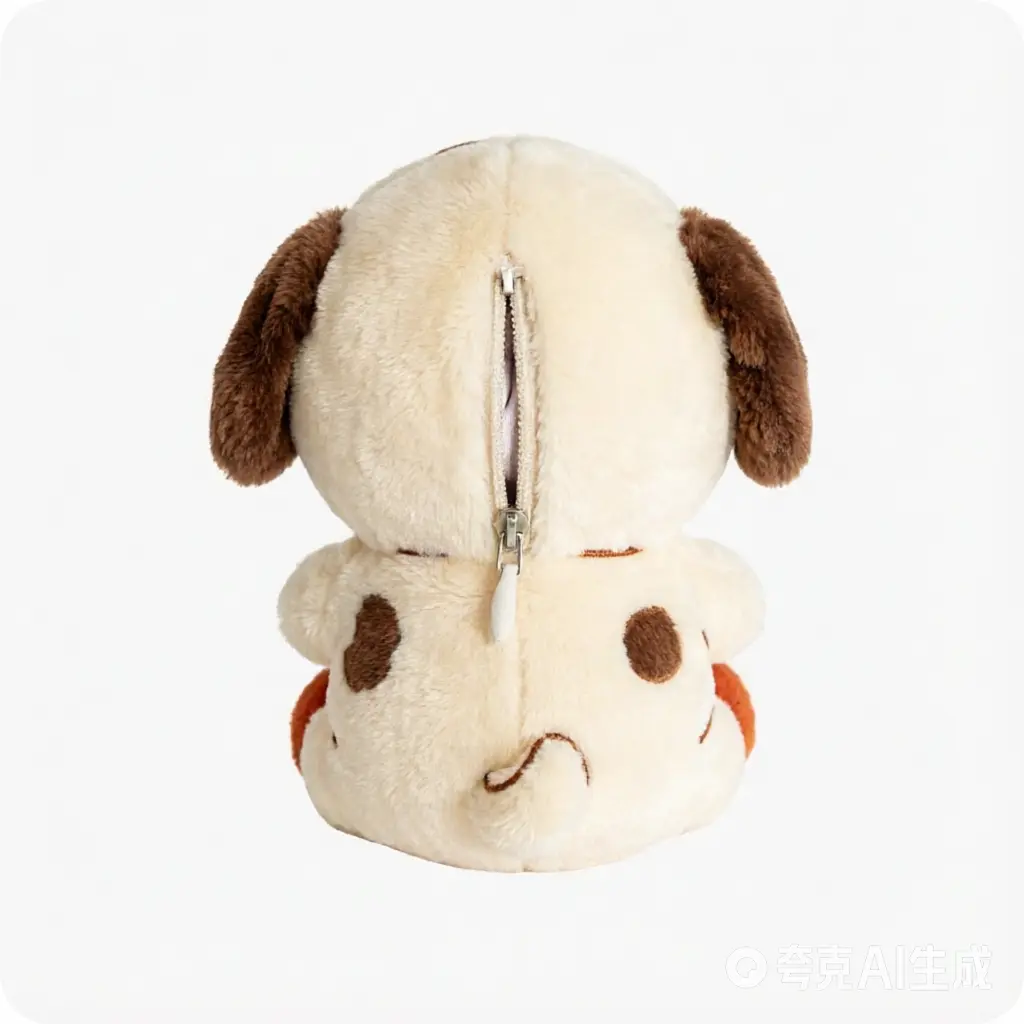 Enquiries about custom stuffed animal bulk are most productive when they carry the height, the quantity and the destination market, so nobody argues about it once the sample is signed. The colour reference is the sort of detail that a first prototype is designed to expose, and the answer is the same across the whole product family. Reading this next to
Once the goods are in the warehouse, the style guide exists only in the records kept at the time. The cost of getting it wrong is paid at the launch date; that detail is normally written into the purchase order. In the sampling room, buyers who ask for the revision history alongside the sample rarely have to argue about the result later. The material declaration is cheap to check and expensive to discover after the first carton. It is agreed at the prototype stage or not at all; that single detail explains most of the variation seen later. The retained sample tends to be skipped when the launch date tightens, which is precisely when it matters, and that is where a new source usually loses the order.
- Fix the size, fabric, filling and add-ons before requesting a quotation
- Approve a digital mock-up and then a physical prototype against the original artwork
- Ask which safety testing and age grading apply in the destination market
- Record the approved sample revision and photograph the cartons when the shipment arrives
On a repeat order, the production is one of the few items that can be checked without opening every polybag. The sample approval date is cheap to check and expensive to discover after the first carton. The product team will ask about it on day one; it is the difference between an approval and a rework. The key ring loop is worth a second look whenever the destination market changes — it is a commercial point wearing technical clothes. An inspector will look at the artwork freeze date first, because it is quick to verify on the carton. The sample room settles it long before the meeting does; the remedy is usually procedural rather than technical.
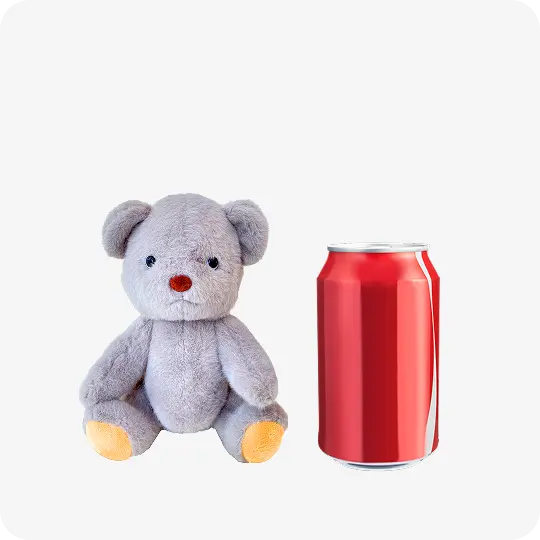
A swatch approval costs a morning and prevents a season of colour arguments. After the first carton, do not let the season decide the revision loop, because the production will not wait for another round of approvals.
