


The Benefits of AI on Mental Health Diagnostics

The Benefits of AI on Mental Health Diagnostics

Artificial Intelligence (AI) is increasingly influencing various fields within healthcare, with mental health diagnostics emerging as a particularly impactful area. The traditional methods of diagnosing mental health conditions often rely heavily on subjective assessments and patient self-reports, which can introduce variability and potential biases. AI technologies offer a transformative potential by enhancing diagnostic accuracy, facilitating early detection, personalizing treatment plans, and expanding access to care. This article delves into the benefits of AI in mental health diagnostics, highlighting how these advancements are improving patient outcomes and reshaping the landscape of mental health care.

Enhancing Diagnostic Accuracy

One of the most significant benefits of AI in mental health diagnostics is the enhancement of diagnostic accuracy. Traditional diagnostic approaches often depend on clinician expertise and patient self-reporting, which can be influenced by various factors such as personal biases, communication barriers, and variability in symptom presentation. AI systems, particularly those utilizing machine learning and natural language processing, can analyze large volumes of data from diverse sources—such as electronic health records, patient interviews, and even social media activity—to identify patterns associated with mental health conditions.

For instance, AI algorithms can process and interpret complex linguistic patterns in text data from patient communications to detect signs of depression, anxiety, or other mental health disorders. By providing a more objective analysis, AI reduces the likelihood of misdiagnosis and enhances the accuracy of mental health assessments. This increased diagnostic precision is crucial for ensuring that patients receive the appropriate treatment and support for their specific conditions.

Facilitating Early Detection and Intervention

Early detection and intervention are critical in mental health care, as they can significantly impact the course of treatment and patient outcomes. AI technologies facilitate early detection by continuously monitoring and analyzing data from various sources, such as wearable devices, mobile health apps, and electronic health records. These tools can detect subtle changes in behavior, mood, or physiological indicators that may signal the onset of a mental health condition.

For example, AI-powered applications can track changes in speech patterns, activity levels, or sleep patterns to identify early warning signs of mental health issues like depression or bipolar disorder. By enabling timely intervention, AI helps to address potential mental health problems before they escalate, allowing for more effective and proactive treatment strategies. This early intervention is crucial for improving long-term outcomes and reducing the severity of mental health conditions.

Supporting Personalized Treatment Plans

AI also plays a vital role in developing personalized treatment plans for individuals with mental health conditions. Mental health care is often most effective when treatments are tailored to the unique needs and circumstances of each patient. AI systems can analyze a patient’s comprehensive health data, including medical history, genetic information, and previous treatment responses, to recommend personalized treatment options.

For instance, AI algorithms can predict which type of therapy or medication might be most effective based on an individual’s specific characteristics and previous responses to treatment. This personalized approach enhances the likelihood of treatment success by aligning with the individual needs and preferences of each patient. By optimizing treatment plans, AI helps to improve patient adherence and outcomes, ultimately leading to more effective management of mental health conditions.

Expanding Access to Mental Health Care

The integration of AI into mental health diagnostics has the potential to expand access to care, particularly for individuals who face barriers to traditional mental health services. Geographical location, stigma, and cost are common obstacles that can limit access to mental health care. AI-driven tools, such as virtual therapists, chatbots, and mobile health applications, offer scalable solutions that can provide support and diagnostics remotely.

For example, AI-powered chatbots like Woebot and Wysa offer real-time conversational support and therapeutic interventions for individuals experiencing mental health issues. These tools can provide immediate assistance and guidance, helping to bridge gaps in care and reach individuals who might otherwise be unable to access traditional mental health services. By improving accessibility, AI ensures that more people receive the support they need, regardless of their location or circumstances.

Enhancing Monitoring and Follow-Up

AI technologies also contribute to enhanced monitoring and follow-up of patients undergoing mental health treatment. Continuous monitoring of patient progress is essential for adjusting treatment plans and ensuring that patients are responding effectively to interventions. AI-powered tools can track and analyze data related to patient behavior, mood, and treatment adherence, providing valuable insights for clinicians.

For instance, AI systems can analyze data from mobile health apps or wearable devices to monitor changes in mood, sleep patterns, or activity levels. This continuous monitoring allows healthcare providers to identify trends and make timely adjustments to treatment plans based on real-time data. By enhancing monitoring and follow-up, AI helps to ensure that patients receive ongoing support and that their treatment remains aligned with their evolving needs.

Conclusion

AI is making a profound impact on mental health diagnostics by enhancing diagnostic accuracy, facilitating early detection, supporting personalized treatment plans, and expanding access to care. These advancements are transforming the way mental health conditions are identified, treated, and managed, leading to improved patient outcomes and a more efficient mental health care system. While there are challenges and ethical considerations associated with the use of AI, the benefits it offers in mental health diagnostics are significant. By leveraging AI technologies and addressing potential limitations, the field of mental health care can continue to advance towards more effective, accessible, and personalized solutions, ultimately improving the quality of care for individuals with mental health conditions.
How AI is Changing Surgical Procedures

How AI is Changing Surgical Procedures

Artificial Intelligence (AI) is making transformative strides in the field of surgery, revolutionizing how surgical procedures are planned, executed, and monitored. By integrating advanced algorithms, machine learning, and robotics, AI is enhancing surgical precision, improving patient outcomes, and reshaping the future of surgical practice. The infusion of AI into surgery is not merely an incremental change but a profound shift that is setting new standards for efficiency, accuracy, and patient care.

Enhancing Surgical Precision

One of the most significant contributions of AI to surgical procedures is the enhancement of precision. Traditional surgical techniques often depend on the skill and steadiness of the surgeon, with variability in outcomes based on individual experience and performance. AI-driven robotic systems are addressing these challenges by providing unprecedented levels of precision and control.

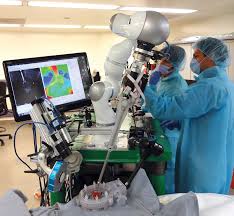
Robotic-assisted surgeries, powered by AI, enable surgeons to perform complex procedures with greater accuracy. These systems offer high-definition 3D visualization and allow for finer movements than traditional hand-held instruments. For instance, in minimally invasive surgeries, AI-driven robots can perform intricate tasks with small incisions, reducing trauma and speeding up recovery times. These advanced systems can also filter out human error, offering a level of consistency that improves surgical outcomes.

Optimizing Preoperative Planning

AI is significantly improving the way surgical procedures are planned. Traditionally, preoperative planning relies on the interpretation of imaging studies and the surgeon’s experience. AI algorithms can analyze preoperative imaging data, such as CT scans and MRIs, with remarkable precision. By using machine learning models, AI can predict the complexities of a procedure and suggest optimal surgical approaches.

For example, AI can simulate various surgical scenarios based on patient-specific anatomy and pathology, helping surgeons choose the best strategy. This predictive capability allows for better preparation, potentially reducing the time spent in the operating room and minimizing the risk of complications. Moreover, AI can assist in creating detailed surgical guides and templates tailored to individual patients, further enhancing the accuracy and safety of the procedure.

Real-Time Surgical Assistance

During surgery, real-time data and decision-making are crucial. AI is enhancing surgical procedures by providing real-time assistance through advanced monitoring systems. AI-powered systems can process data from various sensors and imaging devices to offer insights and recommendations during the operation.

For instance, AI can analyze live video feeds from the operating room, providing real-time feedback on the surgeon’s movements and offering guidance based on preoperative plans. This includes alerting the surgical team to potential risks or deviations from the intended path. AI systems can also integrate data from other monitoring devices to track vital signs and ensure that all aspects of the patient’s condition are continuously assessed. By providing actionable insights and alerts, AI supports better decision-making and enhances the safety of surgical procedures.

Improving Surgical Training and Simulation

AI is transforming surgical training and simulation by providing advanced tools for education and practice. Traditional surgical training often involves hands-on practice with live patients or cadavers, which can be limited in scope and availability. AI-powered simulators offer a new dimension to surgical training by providing realistic, interactive environments where trainees can practice procedures.

These simulators use AI to create virtual patients with varying conditions, allowing trainees to practice and refine their skills in a controlled setting. AI algorithms can assess the trainee’s performance, offering feedback and recommendations for improvement. This approach not only enhances the learning experience but also ensures that future surgeons are better prepared for real-world challenges. By incorporating AI into training programs, healthcare institutions can improve the quality of surgical education and prepare trainees for complex procedures.

Enhancing Postoperative Care and Recovery

AI is also playing a role in postoperative care, contributing to more effective recovery and monitoring. After surgery, AI-powered systems can assist in tracking patient progress and detecting potential complications early. Wearable devices and smart sensors can collect data on various health parameters, such as wound healing and vital signs, and transmit this information to healthcare providers.

AI algorithms analyze this data to identify any signs of complications or deviations from expected recovery patterns. For instance, AI can monitor wound healing by analyzing images of the surgical site and flagging any abnormalities. Early detection of potential issues allows for timely interventions, reducing the risk of postoperative complications and improving overall recovery outcomes.

Addressing Challenges and Ethical Considerations

While AI offers numerous benefits in surgical procedures, its integration into healthcare also presents challenges and ethical considerations. Ensuring the safety and reliability of AI systems is paramount, as any malfunction or error could have serious consequences. Rigorous testing, validation, and ongoing monitoring are essential to ensure that AI technologies perform as expected and do not compromise patient safety.

Ethical considerations also arise in the use of AI in surgery. Transparency in how AI systems make decisions and recommendations is crucial, as is addressing potential biases that could impact patient care. Ensuring that AI systems are used as supportive tools rather than replacements for human judgment is important in maintaining the quality and integrity of surgical practice.

Conclusion

AI is revolutionizing surgical procedures by enhancing precision, optimizing preoperative planning, providing real-time assistance, improving training, and supporting postoperative care. The integration of AI into surgery represents a significant leap forward in terms of accuracy, efficiency, and patient outcomes. However, the successful adoption of AI in surgical practice requires addressing challenges related to safety, reliability, and ethics. As AI technology continues to evolve, its role in shaping the future of surgery will become increasingly significant, driving advancements that improve patient care and redefine the possibilities of surgical practice.