
Exploring the Capabilities of Delta Executor

As you explore the world of data processing engines, you’ll likely come across Delta Executor, a system that promises to streamline your data pipelines and drive timely business decisions. But what exactly can it do, and how does it achieve this level of efficiency? At its core, Delta Executor is a unified data processing engine that integrates batch, real-time, and interactive processing. It’s designed to handle large volumes of data, breaking down complex tasks into smaller components for concurrent execution. But what are the key benefits, and how can you leverage them in your own data processing workflows?

Key Features of Delta Executor

The Delta Executor boasts several key features that make it an attractive option for those looking for a versatile executor. You’ll appreciate its ease of deployment, which allows you to quickly integrate it into your workflow.

The Delta Executor also supports multiple execution modes, giving you the flexibility to choose the one that best suits your needs.

You’ll also find that the Delta executor has robust security features, including encryption and access controls. This guarantees that your data and executables are protected from unauthorized access.

Additionally, the Delta Executor provides real-time monitoring and logging capabilities, allowing you to track the execution process and identify any issues that may arise.

The Delta Executor’s scalability is another key feature that sets it apart. You can easily scale it up or down to meet the demands of your workload, without worrying about performance degradation.

Unified Data Processing Engine

With a unified data processing engine, you’re able to simplify your workflow by consolidating multiple data processing tasks into a single, streamlined system. This capability in Delta Executor allows you to handle diverse data processing tasks without the need for separate engines, reducing complexity and increasing efficiency.

By integrating batch, real-time, and interactive processing, the unified data processing engine makes it easier for you to manage your data.

It also eliminates the need for duplicate data storage and data movement, which can be costly and time-consuming. As a result, you can focus on more critical tasks, like data analysis and decision-making.

The unified data processing engine in Delta Executor supports various data formats and sources, allowing you to process data from different systems and applications.

It also provides a flexible and extensible architecture, making it easy to adapt to changing data processing requirements. With this engine, you can process data in real-time, perform batch processing, and run ad-hoc queries, all within a single system.

Scalable Data Pipelines Design

Building on your ability to handle diverse data processing tasks through a unified data processing engine, designing scalable data pipelines is the next step in maximizing efficiency. This is vital for managing large volumes of data that grow exponentially over time.

By creating scalable pipelines, you guarantee that your data processing infrastructure can adapt to increasing demands without compromising performance.

To design scalable data pipelines, you’ll need to contemplate several factors. First, you should break down complex data processing tasks into smaller, manageable components that can be executed concurrently. This allows for better resource utilization and reduces processing bottlenecks.

Next, you should choose the right data processing technologies and tools that support scalability. This might involve leveraging distributed computing frameworks, cloud-based services, or containerization. By doing so, you’ll be able to scale your data pipelines up or down as needed, without incurring significant costs or downtime.

A well-designed scalable data pipeline will enable you to process data efficiently and effectively, regardless of the volume or complexity.

Real-Time Data Processing Capabilities

Effective real-time data processing capabilities are crucial for organizations that rely on timely insights to drive business decisions.

Delta Executor offers a robust solution for real-time data processing, allowing you to respond quickly to changing business conditions. With its high-performance engine, you can process large volumes of data in real-time, making it ideal for applications that require immediate insights.

Delta Executor’s real-time data processing capabilities enable you to:

  • Process high-volume data streams from various sources, including IoT devices, social media, and sensor data
  • Analyze data in real-time, using advanced algorithms and machine learning models to identify trends and patterns
  • Respond to events as they occur, using automated workflows and alert systems to trigger actions

Integration and Deployment Options

Delta Executor’s flexibility is one of its key strengths, allowing you to integrate it seamlessly into your existing infrastructure. You can easily incorporate Delta Executor into your current setup, leveraging its capabilities to enhance your operations.

This flexibility is particularly valuable in today’s fast-paced and ever-evolving technological landscape, where adaptability is vital for staying competitive.

When it comes to deployment options, Delta Executor offers a range of choices to suit your specific needs. You can deploy it on-premises, in the cloud, or in a hybrid environment, giving you the freedom to choose the approach that best aligns with your organization’s strategy.

Additionally, Delta Executor supports containerization using Docker, making it easy to deploy and manage in a containerized environment. This flexibility in deployment options enables you to optimize your infrastructure and resources, ensuring that you get the most out of your investment in Delta Executor.

Conclusion

You’ve explored the capabilities of Delta Executor, a robust unified data processing engine that streamlines tasks into a single system. By consolidating batch, real-time, and interactive processing, it efficiently manages large volumes of data. With scalable data pipelines and real-time data processing capabilities, you’ll gain timely insights for driving business decisions. Now, consider integrating Delta Executor into your workflow to tap its full potential and transform your data processing capabilities.


The Ultimate Guide to Maintaining Your Thatched Gazebo

You’ve invested in a beautiful thatched gazebo, but now you need to know how to keep it looking its best. Regular maintenance is key to extending the lifespan of your gazebo, but where do you start? As a homeowner, it’s essential to understand the unique needs of your thatched structure and take proactive steps to prevent damage. From identifying signs of wear and tear to choosing the right protective coatings, there’s a lot to consider. By following the right strategies, you can ensure your gazebo remains a stunning focal point in your outdoor space – but what are those strategies exactly?

Regular Inspection and Maintenance

Regularly inspecting your thatched gazebo is crucial to extend its lifespan and maintain its aesthetic appeal. You should inspect your thatched gazebo at least twice a year, once in the spring and once in the fall.

Start by checking the thatch for any signs of wear or damage. Look for broken or loose reeds, and inspect the roof for any gaps or holes. You should also inspect the gazebo‘s frame and foundation for any signs of rot or damage.

Next, inspect the gazebo’s walls and floor for any signs of wear or damage. Check the walls for any cracks or gaps, and inspect the floor for any signs of rot or wear.

You should also inspect the gazebo’s doors and windows for any signs of damage or wear.

If you find any damage or wear during your inspection, you should address it immediately. Replace any broken or loose reeds, and repair any gaps or holes in the roof.

You should also repair any cracks or gaps in the walls and floor, and replace any damaged doors or windows.

Dealing With Pests and Infestations

While your thatched gazebo‘s natural appearance can be a haven for relaxation, it can also attract unwanted pests and infestations. Rodents, birds, and insects are common issues that can cause damage to the structure and compromise its integrity.

Keep an eye out for signs of infestation, such as droppings, nesting materials, or gnaw marks on the thatch or frame.

If you notice any signs of pests, act quickly to prevent them from causing further damage. For rodents, seal any gaps or holes in the gazebo’s frame or foundation to prevent them from entering.

Install bird-repellent systems, such as netting or visual deterrents, to keep birds from nesting in the thatch. For insects, use insecticides or natural alternatives, such as diatomaceous earth, to eliminate them.

Regularly cleaning and maintaining your gazebo can also help prevent pest infestations. Remove debris, leaves, and twigs from the thatch and surrounding area, and trim back any overgrown vegetation.

Thatching Repairs and Replacement

Pest infestations can weaken the structure of your thatched gazebo, making repairs or replacement necessary to maintain its integrity. If you notice damaged or rotten thatch, you should assess the extent of the damage to determine the best course of action.

For minor damage, you can make repairs by replacing the affected thatch with new material. However, if the damage is extensive, it may be more cost-effective to replace the entire thatched roof.

When making repairs, ensure you use the same type of thatching material as the original to maintain consistency and prevent further damage.

You should also inspect the gazebo’s framework for any signs of damage or rot, as this can be a sign of more extensive problems. Consider consulting a professional if you’re unsure about how to proceed with repairs or replacement.

Regular inspections can help identify potential issues before they become major problems.

By addressing thatching repairs and replacement promptly, you can extend the lifespan of your thatched gazebo and maintain its appearance.

Regular maintenance is key to preserving the integrity of your gazebo.

Protecting From Harsh Weather

Protecting your thatched gazebo from harsh weather is crucial to extending its lifespan and maintaining its appearance. Harsh weather conditions such as strong winds, heavy rainfall, and intense sunlight can cause damage to the thatch and the structure of the gazebo.

Weather Condition Protective Measures
Strong Winds Install windbreaks or wind nets around the gazebo to prevent damage from strong gusts.
Heavy Rainfall Apply a waterproof coating to the thatch to prevent water from seeping in and causing damage.
Intense Sunlight Apply a UV-resistant coating to the thatch to prevent fading and discoloration.

Regularly inspect your gazebo for any signs of damage or wear and tear. Make repairs promptly to prevent further damage. Consider applying a protective sealant to the thatch to provide an extra layer of protection against harsh weather conditions. By taking these steps, you can help protect your thatched gazebo from harsh weather and ensure it remains a beautiful and functional outdoor space for years to come.

Seasonal Care and Upkeep

To keep your thatched gazebo in top condition, tackle seasonal care and upkeep tasks proactively. Start by inspecting your gazebo’s thatch regularly for signs of damage or wear.

During spring, inspect the structure for any damage caused by winter weather. Check for loose or damaged thatch and repair or replace it as needed.

In summer, ensure your gazebo is well-ventilated to prevent moisture buildup, which can lead to mold and mildew growth.

In fall, prepare your gazebo for the winter months by clearing leaves and debris from the roof and surrounding areas. Check for any signs of pest or rodent infestation and seal any entry points.

During winter, inspect your gazebo’s thatch for signs of moisture damage and make repairs as needed. You should also consider applying a waterproof coating to protect the thatch from snow and ice.

Conclusion

By following these steps, you’ll be able to keep your thatched gazebos in top condition. Remember to inspect it twice a year, clean and seal it regularly, and apply protective coatings to ward off harsh weather. Deal with pests and infestations promptly, and don’t hesitate to make thatching repairs or replacements as needed. With seasonal care and upkeep, you’ll be able to enjoy your beautiful thatched gazebo for years to come.

Strategic Planning for Habitat Banks Maximizing Conservation Outcomes

You’re likely aware that habitat banks play a critical role in conserving biodiversity, but did you know that their effectiveness hinges on strategic planning? Establishing clear objectives, selecting the right sites, and implementing effective management strategies can make all the difference. As you consider how to maximize conservation outcomes in your habitat bank, you’re probably wondering where to start. By setting clear conservation objectives, you’ll be able to prioritize your efforts and ensure alignment with your overall goals. But what does this look like in practice, and what are the key considerations you should keep in mind?

Setting Conservation Objectives

Setting Conservation Objectives

Your habitat bank’s success hinges on well-defined conservation objectives, so it’s crucial to establish clear goals from the outset.

You’ll need to identify the specific species, ecosystems, or habitat types you want to conserve. Consider the ecological, social, and economic benefits you want to achieve. Are you looking to protect endangered species, restore degraded habitats, or maintain ecosystem services? Clarify your objectives by answering these questions.

Once you’ve defined your objectives, prioritize them based on their importance, feasibility, and urgency. You may need to balance competing goals, such as conserving biodiversity and maintaining ecosystem services.

Be prepared to adapt your objectives as new information becomes available or as circumstances change.

Establishing clear conservation objectives will guide your habitat bank’s strategic planning, decision-making, and operations.

It will also help you measure progress, evaluate effectiveness, and make adjustments as needed.

Site Selection and Acquisition

Having established clear conservation objectives, you can now start identifying suitable sites to achieve those goals.

Site selection and acquisition are critical components of strategic planning for habitat banks. A well-planned site selection process ensures that the chosen sites effectively achieve the conservation objectives.

When selecting sites, consider the following key factors:

  • *Ecological significance*: Look for areas with high conservation value, such as critical habitats, corridors, or sites with unique features.
  • *Conservation status*: Prioritize sites with low conservation status or high conservation need, such as threatened or endangered species habitats.
  • *Land use and ownership*: Consider sites with compatible land uses or ownership patterns that support conservation goals.
  • *Acquisition feasibility*: Evaluate the feasibility of acquiring the site, including factors like land price, zoning regulations, and potential for partnerships.

Habitat Management Strategies

Effective conservation of habitat banks relies on well-designed management strategies that balance ecological, social, and economic considerations. As you develop these strategies, consider the diverse needs and goals of various stakeholders, including local communities, landowners, and conservation organizations. Your management plan should also account for the unique ecological characteristics of the habitat bank, including its ecosystem type, species composition, and potential threats.

To achieve this balance, you can consider the following management strategies:

Strategy Ecological Benefits Social and Economic Benefits
Restoration of degraded habitats Enhanced biodiversity, improved ecosystem function Job creation, increased ecotourism opportunities
Control of invasive species Protection of native species, reduced ecosystem disruption Reduced costs associated with invasive species management
Sustainable land-use practices Maintenance of ecosystem services, reduced soil erosion Increased agricultural productivity, improved livelihoods for local communities
Ecotourism development Support for conservation efforts, enhanced community engagement Economic benefits for local communities, increased awareness of conservation values

As you implement these strategies, be sure to consider the long-term sustainability of your habitat bank and the needs of future generations.

Monitoring and Evaluation Systems

What’re the key performance indicators you’ll use to measure the success of your habitat bank’s management strategies? Effective monitoring and evaluation systems are crucial for understanding the impact of your conservation efforts and identifying areas for improvement.

By tracking key performance indicators, you can assess the effectiveness of your strategies and make informed decisions about future management actions.

To develop a robust monitoring and evaluation system, consider the following components:

  • Establish clear objectives: Clearly define what you want to achieve with your habitat bank, and identify specific metrics to measure progress towards those objectives.
  • Select relevant indicators: Choose indicators that are sensitive to changes in the ecosystem and relevant to your management strategies, such as species abundance, habitat quality, or ecosystem processes.
  • Develop a monitoring plan: Outline the methods and frequency of data collection, and ensure that your plan is feasible and cost-effective.
  • Analyze and report results: Regularly analyze your data and report results to stakeholders, using the information to inform management decisions and adaptive management.

Engaging Local Communities

As you develop and implement your habitat bank’s management strategies, it’s time to consider the people who live and work nearby.

Engaging local communities is critical to the long-term success of your conservation efforts. You can start by identifying key stakeholders, including landowners, farmers, and community leaders, and establishing open lines of communication.

It’s essential to build trust and credibility with local residents by being transparent about your goals, methods, and outcomes. This can be achieved through regular updates, public meetings, and educational programs.

By engaging local communities, you can gain valuable insights into the local ecosystem and identify potential conservation opportunities. Additionally, involving local residents in the decision-making process can help to build a sense of ownership and responsibility for conservation efforts.

Effective community engagement also involves addressing concerns and resolving conflicts in a timely and fair manner. By doing so, you can minimize potential impacts on local livelihoods and foster a positive relationship between your habitat bank and the surrounding community.

Conclusion

You’ve established a clear roadmap for maximizing conservation outcomes in bng units for sale . By setting conservation objectives, selecting and acquiring strategic sites, implementing effective habitat management strategies, and monitoring progress, you’ll be well on your way to conserving biodiversity and maintaining ecosystem services. Remember to engage local communities in your efforts to build support and ensure long-term success. Effective strategic planning is key to achieving your conservation goals.

Steroid Addiction and Recovery A Canadian Guide

As you navigate the complexities of steroid addiction, it’s essential to understand that this condition affects individuals from all walks of life in Canada. You may be using steroids online Canada to enhance athletic performance or address body image concerns, but the risks and consequences are real. Physical dependence and psychological struggles, such as anxiety and depression, can quickly spiral out of control. The question is, do you know where to turn when addiction takes hold? In this guide, we’ll explore the signs, symptoms, and treatment options available, helping you take the first steps towards recovery and a healthier lifestyle.

Understanding Steroid Addiction

Recognizing the signs of steroid addiction can be a crucial step in addressing this complex issue. As you explore this topic, it’s essential to understand that steroid addiction is a legitimate condition, not just a matter of willpower.

You may think that steroid users are solely athletes or bodybuilders, but addiction can affect anyone who uses these substances, regardless of their background or motivation.

You’ll want to consider the physical and psychological aspects of steroid addiction. Physically, steroid use can lead to dependence on the substances to feel normal or perform at a desired level.

Psychologically, users may experience anxiety, depression, or mood swings when they can’t access or use steroids. It’s crucial to acknowledge that steroid addiction is often linked to underlying issues, such as low self-esteem, trauma, or mental health conditions.

Signs and Symptoms

While you’re learning about steroid addiction, identifying the signs and symptoms is key to understanding the condition.

As you or someone you know may be struggling with steroid addiction, it’s essential to recognize the physical and behavioral changes that occur.

Physical signs include acne, oily skin, and excessive hair growth, particularly on the face, chest, and back.

You may also notice rapid muscle growth, sudden weight gain, and changes in body composition.

Additionally, steroid use can lead to sleep disturbances, mood swings, and irritability.

Behavioral symptoms can be more subtle but are just as important to recognize.

You might notice a preoccupation with physical appearance, an excessive focus on exercise, or a secretive attitude towards steroid use.

Additionally, you may experience withdrawal symptoms when attempting to stop or reduce steroid use, such as anxiety, fatigue, and depression.

Recognizing these signs and symptoms can help you take the first step towards seeking help and recovery from steroid addiction.

Risks and Consequences

Understanding the signs and symptoms of steroid addiction is one thing, but knowing the risks and consequences that come with it can be a powerful motivator for seeking help. If you’re struggling with steroid addiction, you’re putting yourself at risk for serious health problems.

Steroid use can lead to cardiovascular issues, such as heart attacks, strokes, and high blood pressure. You’re also more likely to develop liver disease, kidney problems, and an increased risk of certain types of cancer.

Using steroids can also affect your mental health. Mood swings, anxiety, and depression are common side effects, and you may experience intense withdrawal symptoms when you try to stop.

Additionally, steroid addiction can damage your relationships and reputation, leading to social isolation and financial problems.

In Canada, the consequences of steroid addiction can extend beyond your personal life. If you’re caught possessing or distributing steroids, you could face serious legal consequences, including fines and imprisonment.

The risks and consequences of steroid addiction are real, and seeking help is the first step towards recovery.

Treatment and Rehabilitation

You’ve taken the first crucial step towards recovery by acknowledging the risks and consequences of steroid addiction. Now it’s time to seek professional help and begin the treatment process. In Canada, you can find various rehabilitation centers and programs that cater to individuals struggling with steroid addiction.

When seeking treatment, you’ll typically undergo a comprehensive assessment to determine the best course of action. This may involve a physical examination, psychological evaluation, and lab tests to identify any underlying health issues.

Your treatment plan may include a combination of therapies, such as cognitive-behavioral therapy (CBT), counseling, and medication management.

Depending on the severity of your addiction, you may be required to participate in an inpatient or outpatient program. Inpatient programs provide around-the-clock care and support, while outpatient programs offer more flexibility and allow you to continue living at home.

Your healthcare team will work with you to develop a personalized treatment plan that addresses your specific needs and goals. With the right treatment and support, you can overcome steroid addiction and achieve a healthier, more balanced lifestyle.

Maintaining Recovery Success

Recovery from steroid addiction is a lifelong journey, marked by twists and turns that require dedication and perseverance.

You’ve worked hard to overcome your addiction, and now it’s time to focus on maintaining your recovery success. This is a critical phase, as you’ll need to develop strategies to avoid triggers and stay on track.

To paint a picture of what maintaining recovery success looks like, consider the following:

1. Healthy habits: You’ve replaced your old routine of steroid use with healthy habits like regular exercise, balanced eating, and adequate sleep.

You’re also engaging in activities that bring you joy and fulfillment, such as hobbies or spending time with loved ones.

2. Support system: You’ve built a strong support system, including friends, family, and a therapist who can help you navigate challenging situations.

You’re not afraid to reach out for help when you need it.

3. Self-reflection: You’re committed to ongoing self-reflection, regularly assessing your progress and making adjustments as needed.

You’re also practicing self-compassion, acknowledging that setbacks are a normal part of the recovery journey.

Conclusion

You’ve taken the first step towards recovery from steroid addiction by seeking help and understanding your condition. Now, it’s time to put that knowledge into action. Stay committed to your treatment plan, build a strong support system, and focus on a healthier lifestyle. With persistence and self-reflection, you can overcome the challenges of steroid addiction and achieve lasting recovery. Your journey is unique, but with the right tools, you’ll navigate it successfully.

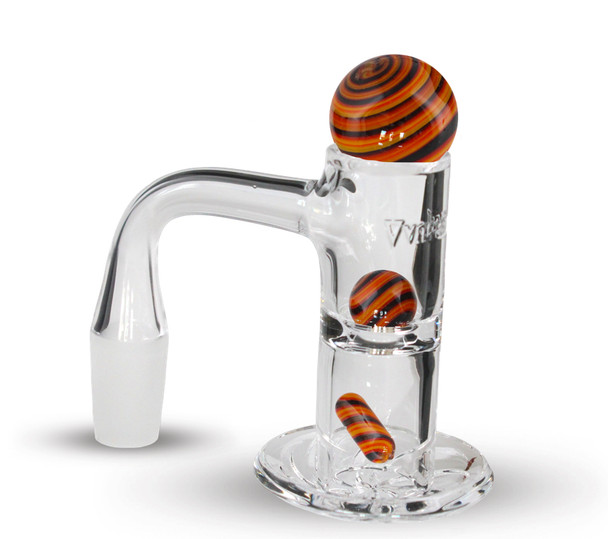
Terp Slurpers A New Era in Concentrate Consumption

As you consider upgrading your concentrate consumption experience, you might be wondering what sets the latest devices apart from traditional methods. Terp slurpers have been gaining attention for their innovative approach to vaporizing concentrates, promising a cleaner and more efficient experience. But what exactly makes them so effective, and how do they compare to the techniques you’re used to? By exploring the design and functionality of terp slurpers, you’ll discover the benefits they offer – and whether they’re worth making the switch. The question is, are you ready to experience concentrates in a whole new way?

What Are Terp Slurpers

Think of a bong, but instead of water, you’re using a different medium to cool and filter the smoke. That’s basically what a terp slurper is – a device that’s designed to enhance your concentrate consumption experience.

Terp slurpers are typically made from glass or ceramic and come in different shapes and sizes. They’re designed to efficiently vaporize your concentrates while preserving the delicate terpene flavors.

When you use a terp slurper, you’re able to enjoy a smoother, more flavorful hit compared to traditional methods like dabbing. The device allows you to control the airflow, which helps to regulate the temperature and prevent overheating.

This results in a more enjoyable experience with less waste and a more efficient use of your concentrates. Terp slurpers are becoming increasingly popular among concentrate enthusiasts, and it’s easy to see why.

They offer a unique combination of flavor, efficiency, and control that’s hard to find with other devices. As you explore the world of terp slurpers, you’ll likely find that they’re an essential tool for any serious concentrate connoisseur.

How terp slurper Work

Using a terp slurper, you’ll notice it operates on a relatively simple principle: as you inhale, air is drawn through a filtered path to cool and vaporize your concentrates.

The concentrate is placed on a heating element, typically a metal coil, and the filtered air is pulled through it. As the air makes contact with the heated concentrate, it vaporizes, releasing the desired compounds.

The design of a terp slurper plays a crucial role in its effectiveness. The filtered path helps to remove impurities, while the heating element ensures an even temperature distribution. This results in a smoother, more flavorful experience.

  • You’ll be able to taste the unique terpene profiles in your concentrates like never before.
  • The cooling effect of the filtered air will reduce discomfort and irritation.
  • The precise temperature control will allow you to customize your experience.
  • You’ll be able to enjoy your concentrates without the harshness often associated with other consumption methods.

Benefits of Using Terp Slurpers

When you’re in the market for a premium concentrate experience, terp slurpers offer numerous benefits. Terp slurpers enhance your concentrate experience by maximizing the effectiveness of terpenes and cannabinoids. They work by creating a vacuum to extract every last bit of concentrate, ensuring minimal waste.

Here are some key benefits of using terp slurpers:

Benefits Description
Efficient Extraction Terp slurpers minimize waste by extracting every last bit of concentrate.
Flavor Preservation They help preserve the delicate flavors and aromas of terpenes, resulting in a more enjoyable experience.
Increased Potency By efficiently extracting cannabinoids, terp slurpers provide a more potent experience.
Easy to Clean Terp slurpers are designed for easy cleaning, making maintenance a breeze.

With terp slurpers, you can enjoy your concentrates without worrying about wasting valuable product. Their efficient extraction and flavor preservation capabilities make them an attractive option for those looking to elevate their concentrate experience.

Terp Slurpers Vs Traditional Methods

You’ve likely tried traditional methods for consuming concentrates, but how do they stack up against terp slurpers?

Traditional methods, such as dab rigs and concentrate pens, can be messy and wasteful.

You may find yourself dealing with sticky residue, clogged devices, and a diminished flavor profile.

In contrast, terp slurpers offer a cleaner and more efficient way to enjoy your favorite concentrates.

Here are a few key differences that set terp slurpers apart from traditional methods:

  • *Less waste and mess*: Terp slurpers are designed to capture every last bit of concentrate, minimizing waste and cleanup.
  • *Better flavor profile*: Terp slurpers allow for a more nuanced and intense flavor experience, thanks to their unique design and material.
  • *Increased efficiency*: Terp slurpers heat more evenly and consistently, ensuring a smoother and more enjoyable experience.
  • *Easier to use*: Terp slurpers are often simpler to operate than traditional methods, with fewer moving parts and less complexity.

Future of Concentrate Consumption

Terp slurpers are revolutionizing the way you consume concentrates, and this shift is just the beginning. As technology continues to evolve, you can expect even more innovative products to emerge, further changing the concentrate landscape.

One potential development is the integration of terp slurpers with other cannabis products, such as vaporizers or dab rigs. This could create a more streamlined and efficient consumption experience.

Another trend you might see in the future is the growth of portable terp slurpers. These devices would allow you to enjoy concentrates on-the-go, making it even more convenient to use them whenever you want.

Additionally, advancements in materials and design could lead to more durable and easy-to-clean terp slurpers, reducing waste and making them even more appealing to consumers.

As the industry continues to innovate, you can expect terp slurpers to play a major role in shaping the future of concentrate consumption. With their unique ability to deliver intense flavor and potency, it’s likely that terp slurpers will become an essential tool for cannabis enthusiasts.

Conclusion

You’re on the cusp of a revolution in concentrate consumption. Terp slurpers offer a cleaner, more efficient, and enjoyable experience. By preserving delicate terpene flavors and aromas, they provide a more potent experience with less waste and mess. As you explore the benefits of terp slurpers, you’ll likely find that they’re a game-changer for enthusiasts. With their innovative design and ease of use, terp slurpers are shaping the future of concentrate consumption.