
Garage Floors: Strength Meets Esthetic Invoke

You're considering a service department blow out of the water renovation and have likely come across epoxy as a top competition. That's not amazing, given its effective life of up to 20 eld and ability to resist heavily use. But floor offers more than just durability ndash; it's also a versatile canvas for your desired aesthetic. With a wide range of colors, patterns, and textures available, the plan possibilities are infinite. As you weigh your options, it's Worth exploring the specifics of epoxy flooring ndash; from instalmen to maintenance ndash; to if it's the right fit for your home. floor epoxy garage.

Benefits of Epoxy Flooring

Durability is one of the greatest allies you can have in a garage. Epoxy floor provides just that, with a lifespan of up to 20 old age or more with specific sustainment.

It can resist heavy foot dealings, chemical spills, and even the slant of your car. Unlike traditional concrete, flooring is resistant to stains, cracks, and fading.

You 39;ll also appreciate the ease of cleansing and sustenance that floor offers. A simpleton swing or mop is all it takes to keep your service department blow out of the water looking like new.

Additionally, epoxy flooring is tolerable to mold and mold, creating a fitter for you and your syndicate.

Another significant gain of epoxy floor is its slip-resistance. The coarse-textured rise up provides adhesive friction, reduction the risk of slips and falls.

This is especially evidentiary in a service department, where oil and other substances can make the floor tricky. By installing epoxy flooring, you can make a safer and more long-wearing quad that meets your needs and enhances the overall value of your home.

Customization and Design Options

With the benefits of epoxy floor in your garage well established, it 39;s time to think about the aesthetic appeal you can bring up to this often-overlooked space. You 39;ll be proud of to know that flooring offers a wide range of customization and design options to suit your personal style and preferences.

From various colors and patterns to different finishes and textures, you can pick out the hone combination to match your garage 39;s unique .

You can take from a variety of colors, including auriferous and glint finishes, to add a touch of to your service department. You can also choose different patterns, such as checker board or herringbone pattern, to create a unique visual set up.

Additionally, you can opt for different textures, such as smoothen or combine, to reach the wanted look and feel. Furthermore, you can integrate usage designs, Word, or images into your flooring to make it truly one-of-a-kind.

With these customization options, you can metamorphose your service department into a space that not only functions well but also looks awe-inspiring.

Installation Process and Timeline

Most epoxy garage shock installations can be consummated within a few days to a week, depending on the complexness of the visualize and the number of coats applied. As you prepare for the installment, make sure to clear the service department stun of any obstructions, including vehicles, entrepot containers, and other items.

The installment work on typically begins with come up grooming, which involves repairing any cracks, holes, or spotty areas.

Next, the installer will use a concrete fuzee to see a strong bond between the epoxy and the .

Once the fuze is dry, the epoxy coating is applied in bigeminal thin layers, allowing each layer to dry before applying the next. Depending on the chosen finish, additional coats or a greatcoat may be practical.

It 39;s essential to follow the producer 39;s instruction manual and recommended drying times to ensure a self-made installment. A professional installer can steer you through the work on, ensuring a smooth over and effective instalmen that meets your expectations.

Maintenance and Repair Tips

Now that you have a beautifully installed garage ball over, it 39;s time to focus on on maintenance to see to it it stiff in top .

To exert your epoxy blow out of the water, you 39;ll want to regularly sweep or blow leaves and rubble off the surface. This prevents dirt and dust from accumulating and causation scratches.

For tougher messes, use a mild detergent and warm irrigate to clean the area. Avoid using unpleasant chemicals or abrasive dry cleaners, as they can the .

If you mark any scratches or chips in your shock, you can easily repair them with a touch-up kit. These kits usually let in a moderate number of epoxy and hardener that you can mix and employ to the damaged area.

For more substantial , you may need to reapply a coat of epoxy to the stallion stun. To prevent hot tire Marks, consider applying a tire stuffing to the blow out of the water or placing mats under the tires.

Regular inspections will also help you place any potentiality issues before they become John R. Major problems.

Cost and Return on Investment

The cost of an service department stun can be a considerable investment funds, but it 39;s essential to consider the long-term benefits and return on investment funds. You 39;ll likely pay between 3 and 12 per square up foot for materials and labour, depending on the complexness of the job, position, and contractor.

However, when you factor in the spread-eagle life and reduced upkee needs of an epoxy ball over, the cost becomes more excusable.

Consider the money you 39;ll save on repairs and alternate over time. Traditional service department floors are prone to from oil stains, cracks, and fading, which can lead to dearly-won repairs or even surrogate.

In , floors are tolerant to these issues and can last for 10 to 20 years or more. Additionally, an blow out of the water can step-up your home 39;s value and invoke to potential buyers if you resolve to sell.

Conclusion

By choosing an epoxy service department take aback, you're not only investment in a long-wearing and long-lasting solution but also elevating the aesthetic appeal of your home. With its many benefits, customization options, and easy sustenance, epoxy flooring is a smart option for any householder. You can the public security of mind that comes with knowing your garage ball over can resist heavily use, while also adding value to your property. It's a decision you won't regret.

Dark Web Forums: A Hub for Anonymous Discussions

As you step into the world of Dark Web forums, you're entering a realm where anonymity is key and open communication is the norm. These online platforms have been around since the 1990s, evolving to incorporate advanced technologies like the Tor network. Today, Dark Web forums bring together individuals from across the globe to discuss everything from politics and philosophy to more illicit activities. But as you explore these forums, you'll encounter a complex web of free speech and hidden dangers – and you may wonder: what are the real risks of participating in these anonymous discussions, and who's really listening?

Origins of Dark Web Forums

Curiosity often drives you to explore the unknown corners of the internet, and the Dark Web is one of the most mysterious and least understood.

As you delve deeper, you'll discover that dark web url forums have been around since the early days of the internet. The origins of Dark Web forums can be traced back to the 1990s when the internet was still in its early stages.

Bulletin board systems (BBS) and dial-up networks allowed users to connect and communicate anonymously. These early systems laid the groundwork for the Dark Web forums that exist today.

The Tor network, developed in the early 2000s, played a significant role in the growth of Dark Web forums. Tor's anonymous browsing capabilities allowed users to access and participate in online forums without being tracked.

As the Dark Web expanded, so did the number of forums. These forums became a hub for individuals seeking anonymity and a platform for discussing topics that were off-limits on the regular internet.

You'll find that Dark Web forums cater to a wide range of interests, from politics and technology to culture and lifestyle.

Types of Forum Discussions

The growth of Dark Web forums led to a diverse range of discussions, as users flocked to these platforms for various purposes. You'll find discussions on illicit activities, such as buying and selling stolen data, hacking tools, and contraband.

Some users share tutorials on how to access and exploit vulnerabilities in software and websites. Others engage in debates about politics, social issues, and philosophy, often with a focus on anonymity and freedom of speech.

You'll also come across discussions on cryptocurrency and money laundering, as well as threads on how to stay safe and anonymous online. Some forums feature reviews of Dark Web services, such as VPNs and Tor exit nodes.

Additionally, you'll find communities centered around specific interests, like cyberpunk culture or alternative lifestyles.

As you explore these forums, you'll notice that discussions often blur the lines between legitimate and illicit activities.

Users may share information on how to access public datasets, but also discuss how to use that data for malicious purposes.

This diversity of discussions is a hallmark of Dark Web forums, reflecting the complexity and anonymity of the online world.

How Forums Are Organized

A dark web forum's organizational structure is its backbone, supporting a vast array of illicit and legitimate discussions.

You'll find that most forums follow a similar layout, with categories and subcategories that help users navigate the site.

These categories can range from general topics like news and politics to more specialized areas like hacking and cybercrime.

As you delve deeper into a forum, you'll often find sticky threads or pinned posts that contain important information, such as rules and guidelines or FAQs.

Forum administrators and moderators play a crucial role in maintaining order and ensuring that discussions stay on topic.

They may also create new categories or subcategories to accommodate emerging trends or interests.

Some forums may also have a reputation system, where users can earn points or badges for contributing valuable content or participating in discussions.

This can help establish a sense of community and encourage users to engage with one another.

Additionally, many forums use private messaging systems, allowing users to communicate with each other directly and discreetly.

Risks and Consequences

Engaging with dark web forums comes with significant risks. If you're not careful, you could find yourself in the crosshairs of law enforcement or the target of cyber attacks. When you access these forums, you're essentially stepping into the unknown, where anonymity is both a blessing and a curse.

You risk being exposed to malware and viruses, which could compromise your computer and your personal data.

Additionally, dark web forums often feature conversations that involve illegal activities, which could put you in a difficult position if you're caught reading or participating in them. Law enforcement agencies are known to monitor these forums, and if they suspect you're involved in anything illicit, you could be next on their list.

If you're caught, the consequences can be severe. You could face fines, imprisonment, or both.

Moreover, your anonymity could be stripped away, putting your personal and professional life at risk. It's essential to weigh these risks against any benefits you might gain from engaging with dark web forums.

Impact on Global Communication

One of the primary concerns surrounding dark web forums is how they're redefining global communication. As you navigate these online platforms, you'll notice the absence of geographical and cultural boundaries. Dark web forums are bringing people together from all corners of the world, creating an environment where individuals can share their thoughts and opinions freely.

You'll find that these forums facilitate open discussions on various topics, from politics and social issues to technology and entertainment. However, the lack of regulation and accountability can lead to the dissemination of misinformation and hate speech.

This raises concerns about the potential impact on global communication, as false information can spread quickly and influence public opinion.

As you explore dark web forums, you'll realize that they're not just a platform for discussion but also a reflection of the world's complexities.

They highlight the need for critical thinking and media literacy in today's digital age. By understanding the dynamics of dark web forums, you'll be better equipped to navigate the online world and make informed decisions about the information you consume.

Conclusion

As you navigate the complex world of Dark Web forums, you'll realize that they're a double-edged sword. On one hand, they provide a platform for uncensored discussions and free expression. On the other hand, they expose users to significant risks and potential consequences. You must weigh these factors and consider the implications of participating in these online communities, which can have a lasting impact on global communication and your personal life.

Challenges of AI Adoption in Healthcare

Challenges of AI Adoption in Healthcare

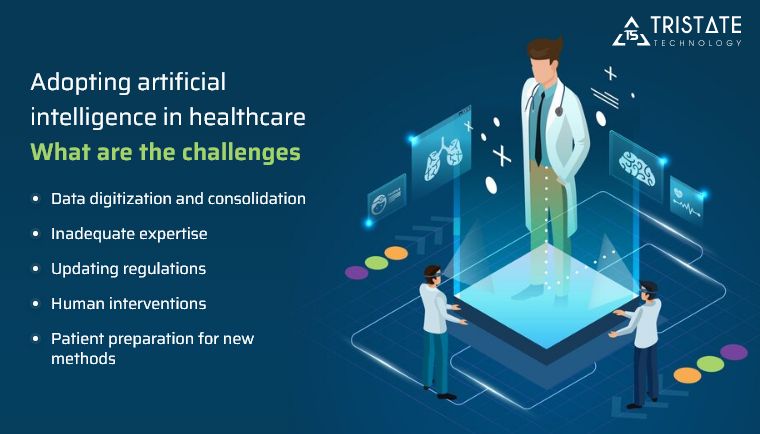
The integration of Artificial Intelligence (AI) into healthcare promises to revolutionize how medical services are delivered, offering enhanced diagnostics, personalized treatment, and streamlined operations. Despite its transformative potential, the adoption of AI in healthcare is fraught with challenges that must be addressed to fully realize its benefits. These challenges span technical, ethical, and practical domains, impacting everything from data management to patient trust. This article explores the multifaceted challenges of AI adoption in healthcare, providing a comprehensive overview of the barriers to implementation and potential solutions.

Data Privacy and Security

One of the most significant challenges in adopting AI in healthcare is ensuring data privacy and security. AI systems rely on vast amounts of sensitive health data, including personal medical histories, genetic information, and real-time health metrics. The collection, storage, and processing of this data raise substantial privacy concerns, particularly given the potential for data breaches and misuse.

Healthcare organizations must comply with stringent regulations such as the Health Insurance Portability and Accountability Act (HIPAA) in the United States or the General Data Protection Regulation (GDPR) in Europe. These regulations mandate rigorous safeguards to protect patient data. However, as AI systems often involve multiple stakeholders and data sources, maintaining compliance and ensuring robust data protection can be complex. Encryption, secure data storage, and strict access controls are essential to mitigate the risk of data breaches and uphold patient trust.

Integration with Existing Systems

Integrating AI systems with existing healthcare infrastructure presents another significant challenge. Many healthcare providers use diverse and often outdated systems for managing patient information, including electronic health records (EHRs), laboratory systems, and imaging software. AI solutions need to seamlessly integrate with these disparate systems to be effective.

The lack of standardization in healthcare IT systems exacerbates this challenge. AI models require high-quality, consistent data to function accurately, but inconsistencies in data formats and interoperability issues can hinder their effectiveness. Developing and implementing interfaces and protocols that enable smooth integration between AI tools and existing systems is crucial for successful adoption. This process often involves significant time, financial investment, and technical expertise.

Algorithmic Bias and Fairness

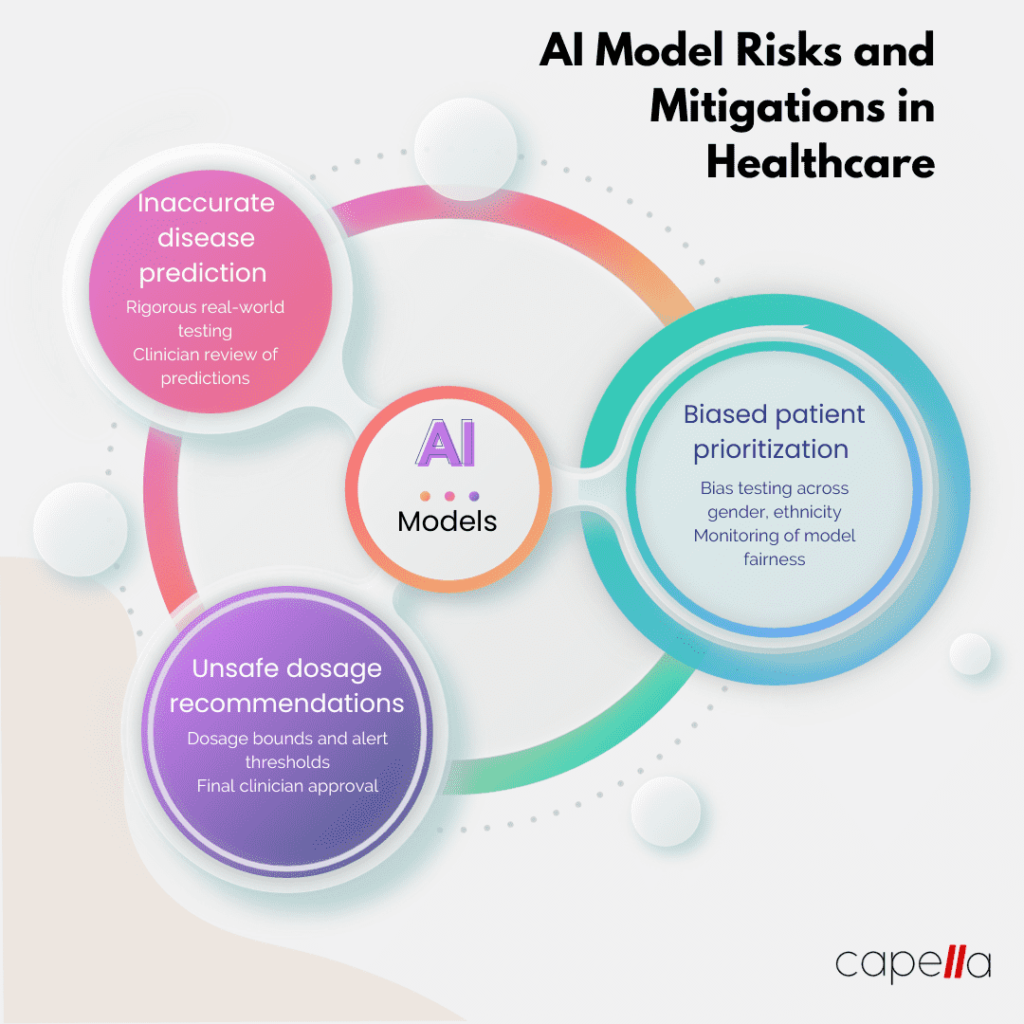
Algorithmic bias is a critical concern in the adoption of AI in healthcare. AI systems learn from historical data, and if this data reflects existing biases or disparities, the algorithms can perpetuate or even exacerbate these biases. For example, if an AI model is trained on data from predominantly one demographic group, it may produce less accurate or equitable results for individuals from other groups.

Addressing algorithmic bias requires careful attention to data diversity and inclusivity. Ensuring that AI models are trained on representative datasets and regularly audited for fairness can help mitigate these issues. Additionally, involving diverse teams in the development and evaluation of AI systems can contribute to more equitable outcomes. Transparency in how AI models make decisions and ongoing monitoring are also essential for identifying and correcting biases.

Clinical Validation and Reliability

For AI systems to be integrated into clinical practice, they must undergo rigorous validation to ensure their reliability and accuracy. Clinical validation involves assessing how well an AI tool performs in real-world healthcare settings compared to traditional methods. This process is crucial for establishing the credibility and safety of AI systems.

However, clinical validation can be challenging due to the complexity of healthcare environments and the need for extensive testing across different patient populations and conditions. Additionally, the pace of AI development often outstrips the speed of validation processes, leading to potential delays in deploying new technologies. Establishing standardized protocols for validating AI systems and ensuring that they meet high standards of accuracy and reliability is essential for successful adoption.

Ethical and Regulatory Concerns

The ethical and regulatory landscape surrounding AI in healthcare is still evolving, presenting significant challenges for adoption. Ethical concerns include the potential for AI to make decisions that impact patient care without adequate human oversight. Questions about the transparency of AI decision-making processes, accountability for errors, and the potential for dehumanization of care are crucial considerations.

Regulatory bodies are working to develop frameworks that address these concerns and ensure that AI systems meet safety and efficacy standards. However, the rapid pace of technological advancement can outstrip the ability of regulatory agencies to keep up. Navigating the regulatory environment and ensuring compliance with evolving standards requires ongoing collaboration between healthcare providers, technology developers, and regulatory authorities.

Patient and Provider Acceptance

The successful adoption of AI in healthcare also hinges on the acceptance of both patients and providers. Patients may have concerns about the use of AI in their care, including fears about data privacy, the accuracy of AI-driven recommendations, and the potential loss of personal interaction with healthcare professionals. Building patient trust requires clear communication about how AI systems are used, the benefits they offer, and the measures in place to protect privacy.

Healthcare providers, on the other hand, may be hesitant to adopt AI technologies due to concerns about their impact on workflow, job security, and the quality of patient interactions. Training and education are essential for ensuring that healthcare professionals understand how to effectively use AI tools and integrate them into their practice. Demonstrating the value of AI in improving patient outcomes and enhancing clinical decision-making can help overcome resistance and facilitate acceptance.

The Future of AI in Healthcare

Despite these challenges, the future of AI in healthcare holds significant promise. Advances in technology, increased focus on data privacy, and ongoing efforts to address ethical and regulatory issues will drive the evolution of AI solutions. Collaborative efforts between technology developers, healthcare providers, regulators, and patients will be crucial for overcoming these challenges and ensuring the successful integration of AI into healthcare.

As AI continues to advance, it is essential to address the challenges of data privacy, system integration, algorithmic bias, clinical validation, ethical concerns, and acceptance. By tackling these issues proactively, stakeholders can pave the way for AI to enhance healthcare delivery, improve patient outcomes, and drive innovation in the field.

Conclusion

The adoption of AI in healthcare presents a range of challenges that must be addressed to fully leverage its potential. From data privacy and system integration to algorithmic bias and clinical validation, these challenges require careful consideration and collaborative effort. As the healthcare industry continues to evolve, addressing these challenges will be key to unlocking the transformative power of AI and realizing its potential to improve patient care, enhance clinical decision-making, and drive innovation in healthcare.

How to Use AI for Health Risk Assessment

How to Use AI for Health Risk Assessment

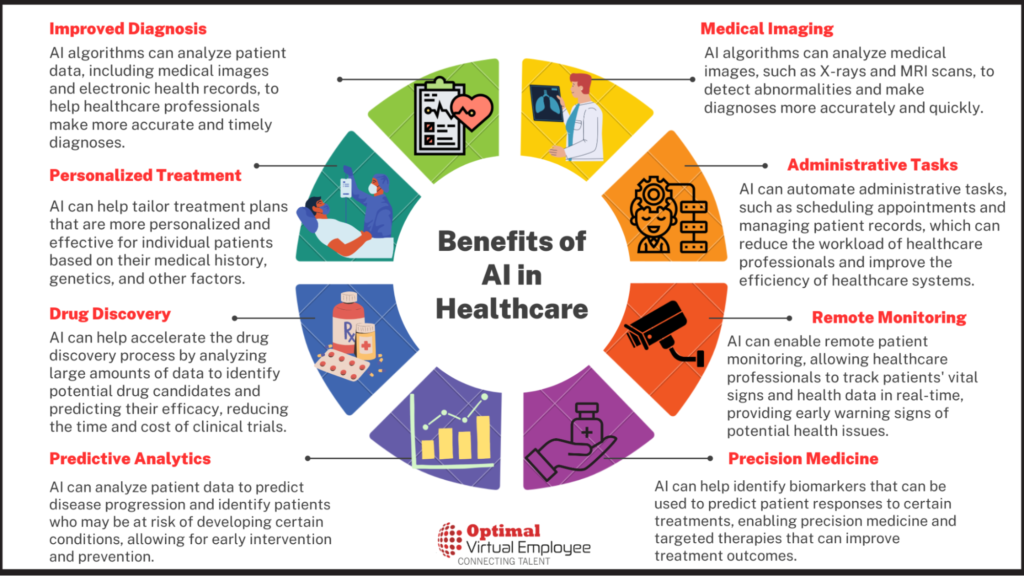
Artificial Intelligence (AI) has emerged as a transformative force in healthcare, offering advanced tools for predicting, diagnosing, and managing various health conditions. One of the most promising applications of AI in this field is health risk assessment. By leveraging vast amounts of data and sophisticated algorithms, AI can provide valuable insights into an individual’s health risks, enabling more proactive and personalized healthcare interventions. However, effectively using AI for health risk assessment requires careful consideration of data quality, algorithmic accuracy, ethical implications, and integration with clinical practices.

Understanding AI in Health Risk Assessment

AI in health risk assessment involves using machine learning algorithms and other AI techniques to analyze complex health data and predict an individual’s likelihood of developing specific health conditions. These assessments can range from predicting the risk of chronic diseases like diabetes and cardiovascular conditions to evaluating the likelihood of acute events such as heart attacks or strokes.

AI systems typically analyze data from various sources, including electronic health records (EHRs), medical imaging, genetic information, and lifestyle factors. By identifying patterns and correlations within this data, AI models can generate risk scores or predictions that help healthcare providers and individuals understand their health risks more clearly.

Collecting and Preparing Data

The foundation of effective AI-driven health risk assessment lies in the quality and comprehensiveness of the data used. To build robust AI models, it is essential to collect diverse and high-quality data that accurately reflects an individual’s health status and risk factors. This data may include:

  • Clinical Data: Information from EHRs, including patient history, lab results, and previous diagnoses.
  • Genomic Data: Genetic information that can reveal predispositions to certain conditions.
  • Lifestyle Data: Information about lifestyle choices such as diet, physical activity, and smoking habits.
  • Environmental Data: Factors such as exposure to pollutants or living conditions that may impact health.

Data preparation involves cleaning and preprocessing this information to ensure its accuracy and usability. This step is crucial, as inconsistencies or errors in the data can lead to inaccurate risk assessments. Proper data integration and normalization are also necessary to combine different data sources effectively and create a comprehensive picture of an individual’s health risks.

Choosing and Training AI Models

Once the data is prepared, selecting the appropriate AI model is a critical step in health risk assessment. Various machine learning techniques can be used, including supervised learning, unsupervised learning, and deep learning. The choice of model depends on the specific health risk being assessed and the nature of the available data.

  • Supervised Learning: Involves training models on labeled data, where the outcomes (e.g., presence or absence of a disease) are known. This approach is useful for predicting known health risks based on historical data.
  • Unsupervised Learning: Used when the outcomes are not predefined, focusing on identifying patterns or clusters within the data. This can help uncover previously unknown risk factors or health conditions.
  • Deep Learning: Utilizes neural networks with multiple layers to analyze complex data, such as medical images or large-scale genomics data, offering high accuracy in predicting health risks.

Training AI models involves feeding them with historical data and using algorithms to learn from this data. The model’s performance is then evaluated using validation techniques to ensure it accurately predicts health risks. Continuous monitoring and refinement are necessary to maintain the model’s accuracy and relevance as new data and medical knowledge emerge.

Integrating AI Risk Assessments into Clinical Practice

For AI-driven health risk assessments to be effective, they must be seamlessly integrated into clinical practice. This involves developing user-friendly interfaces that allow healthcare providers to interact with AI systems easily and interpret their outputs. The AI-generated risk scores or recommendations should be presented in a way that is clear and actionable, enabling healthcare professionals to make informed decisions about patient care.

Healthcare providers also need to be trained in how to use AI tools and interpret their results. This includes understanding the limitations of AI models and how to incorporate their findings into clinical decision-making processes. Collaboration between AI developers and healthcare professionals is essential to ensure that the tools meet clinical needs and enhance patient care rather than replace human judgment.

Addressing Ethical and Privacy Concerns

The use of AI in health risk assessment raises important ethical and privacy concerns. Ensuring patient privacy and data security is paramount, as AI systems handle sensitive personal health information. Compliance with regulations such as the Health Insurance Portability and Accountability Act (HIPAA) and other data protection laws is essential to safeguard patient data.

Ethical considerations also include addressing potential biases in AI models. If AI systems are trained on biased data, they may produce skewed risk assessments that disproportionately affect certain populations. It is crucial to ensure that AI models are developed and validated using diverse datasets to minimize biases and promote equitable health risk assessments.

Additionally, transparency in AI decision-making processes is important. Patients and healthcare providers should understand how AI models generate risk assessments and the basis for their predictions. This transparency helps build trust in AI systems and ensures that their use aligns with ethical standards and patient expectations.

Evaluating and Improving AI Risk Assessment Tools

Continuous evaluation and improvement of AI risk assessment tools are necessary to ensure their effectiveness and reliability. This involves regularly updating models with new data, incorporating feedback from healthcare providers and patients, and addressing any identified issues or limitations. Ongoing research and development can help enhance the accuracy and applicability of AI tools, ensuring they remain valuable assets in health risk assessment.

Conclusion

AI-powered health risk assessment offers significant potential for improving patient care by providing accurate, data-driven insights into individual health risks. By leveraging comprehensive data, choosing appropriate AI models, integrating these tools into clinical practice, and addressing ethical and privacy concerns, healthcare providers can harness the benefits of AI to enhance risk assessment and promote proactive health management. As technology continues to evolve, ongoing evaluation and refinement of AI tools will be essential for maximizing their impact and ensuring they contribute positively to patient health and well-being.

Benefits of AI in Health Workforce Management

Benefits of AI in Health Workforce Management

The integration of artificial intelligence (AI) into healthcare workforce management is transforming how health organizations operate, enhancing efficiency, and improving patient care. AI technologies are reshaping various aspects of workforce management, from scheduling and resource allocation to staff training and performance evaluation. This article explores the key benefits of AI in health workforce management, highlighting how these technologies contribute to better operational efficiency and improved healthcare delivery.

Optimizing Staff Scheduling

One of the most significant benefits of AI in health workforce management is the optimization of staff scheduling. Traditional scheduling methods often involve manual processes that can be time-consuming and prone to errors. AI-powered scheduling systems, however, use algorithms to analyze a range of factors, including patient demand, staff availability, and regulatory requirements, to create optimal schedules.

AI systems can predict peak periods of patient activity and adjust staffing levels accordingly, ensuring that healthcare facilities are adequately staffed during busy times and minimizing overstaffing during quieter periods. This leads to improved operational efficiency, reduced labor costs, and enhanced patient care, as staff are available when needed most. Additionally, AI can accommodate individual staff preferences and availability, leading to more flexible and satisfying work schedules.

Enhancing Resource Allocation

AI contributes to better resource allocation by providing insights into how healthcare resources, such as medical equipment and support staff, are used. AI systems can analyze historical data and predict future resource needs, helping healthcare organizations allocate resources more effectively.

For instance, AI can forecast the demand for specific medical equipment or supplies based on patient admission patterns and seasonal trends. This helps prevent shortages and overstock situations, ensuring that resources are available when required. Similarly, AI can assist in optimizing the deployment of support staff, such as nurses and administrative personnel, based on patient care needs and workflow requirements.

Improving Recruitment and Retention

Recruitment and retention of skilled healthcare professionals are critical challenges for health organizations. AI can streamline the recruitment process by analyzing resumes, matching candidates’ skills and experiences with job requirements, and identifying the most suitable candidates for open positions.

AI-driven tools can also help in assessing the fit between candidates and the organizational culture, enhancing the likelihood of long-term retention. Furthermore, AI can assist in identifying factors that contribute to staff turnover and develop strategies to address them, such as improving work conditions or offering targeted professional development opportunities.

Facilitating Staff Training and Development

AI plays a crucial role in staff training and development by providing personalized learning experiences and identifying skills gaps. AI-powered platforms can analyze staff performance data and recommend tailored training programs to address specific needs.

For example, AI can identify areas where individual employees may need additional training or support, such as advanced clinical skills or new technology usage. By offering targeted training resources and real-time feedback, AI helps staff enhance their skills and stay up-to-date with the latest medical advancements and best practices. This leads to a more competent and confident workforce, ultimately benefiting patient care and organizational efficiency.

Enhancing Performance Evaluation

Performance evaluation is another area where AI contributes significantly to health workforce management. Traditional performance reviews can be subjective and inconsistent, but AI systems can provide objective and data-driven insights into employee performance.

AI tools can analyze a wide range of performance metrics, such as patient outcomes, workflow efficiency, and adherence to clinical guidelines, to evaluate staff performance. This data-driven approach allows for more accurate assessments and helps identify areas for improvement. Additionally, AI can assist in setting performance benchmarks and tracking progress over time, leading to more effective and actionable feedback for staff members.

Improving Employee Well-being

Employee well-being is a critical component of workforce management, and AI can play a role in supporting this aspect. AI-driven tools can monitor and analyze data related to staff workload, stress levels, and job satisfaction, providing insights into factors that may impact employee well-being.

For example, AI systems can track workload patterns and identify signs of burnout or excessive stress among staff. By addressing these issues proactively, healthcare organizations can implement measures to improve work conditions, such as adjusting workloads or offering support services. Enhancing employee well-being not only contributes to a healthier and more motivated workforce but also improves overall patient care.

Enhancing Communication and Collaboration

Effective communication and collaboration are essential for a well-functioning healthcare team. AI tools can facilitate better communication by providing platforms for real-time information sharing and collaboration.

For instance, AI-powered communication platforms can streamline information exchange between different departments, ensuring that all team members have access to up-to-date patient information and care plans. This leads to more coordinated and efficient care delivery. Additionally, AI can support virtual collaboration tools, enabling remote consultations and team meetings, which is particularly beneficial in a healthcare environment where teams may be dispersed across different locations.

Addressing Workforce Shortages

AI has the potential to address workforce shortages by augmenting the capabilities of existing staff and automating routine tasks. For example, AI-powered chatbots and virtual assistants can handle administrative tasks such as appointment scheduling and patient inquiries, freeing up healthcare professionals to focus on direct patient care.

Moreover, AI can support telemedicine and remote care initiatives, expanding access to healthcare services and reducing the strain on in-person staff. By leveraging AI technologies to handle certain tasks, healthcare organizations can better manage workforce shortages and ensure that patients receive timely and effective care.

Ensuring Compliance and Reducing Errors

Compliance with regulatory requirements and minimizing errors are critical aspects of healthcare management. AI can assist in ensuring compliance by automating the monitoring of regulatory standards and generating reports to demonstrate adherence.

Additionally, AI can help reduce errors by providing decision support tools that guide staff in following best practices and clinical guidelines. For instance, AI algorithms can assist in clinical decision-making by analyzing patient data and recommending appropriate treatment options, reducing the likelihood of clinical errors.

Conclusion

AI is playing an increasingly vital role in health workforce management, offering a range of benefits that enhance efficiency, improve patient care, and support staff development. By optimizing staff scheduling, enhancing resource allocation, improving recruitment and retention, and facilitating training and performance evaluation, AI technologies contribute to a more effective and well-managed healthcare workforce. As healthcare organizations continue to embrace AI, the potential for further innovation and improvement in workforce management is immense, promising a future where healthcare delivery is more efficient, responsive, and patient-centered.