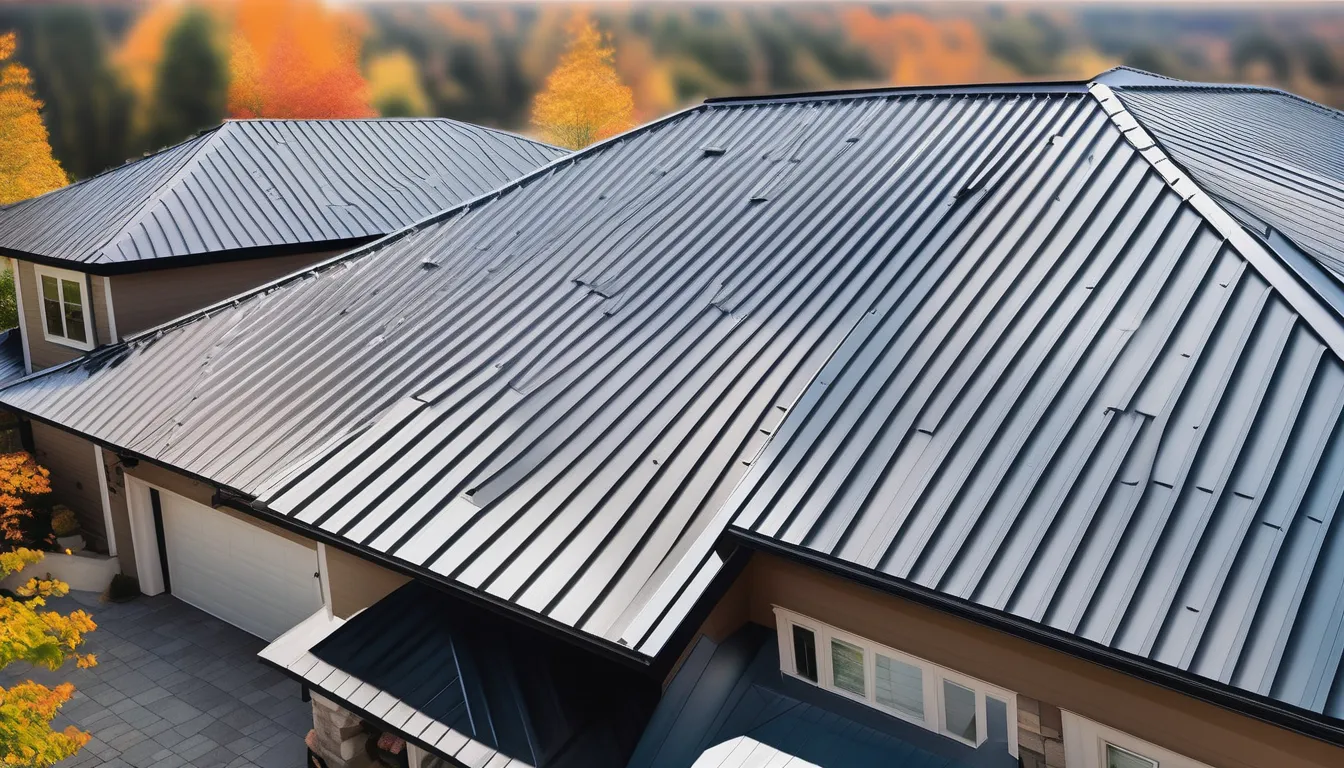

The Importance of Proper Drainage Pipe Part Installation for System Longevity
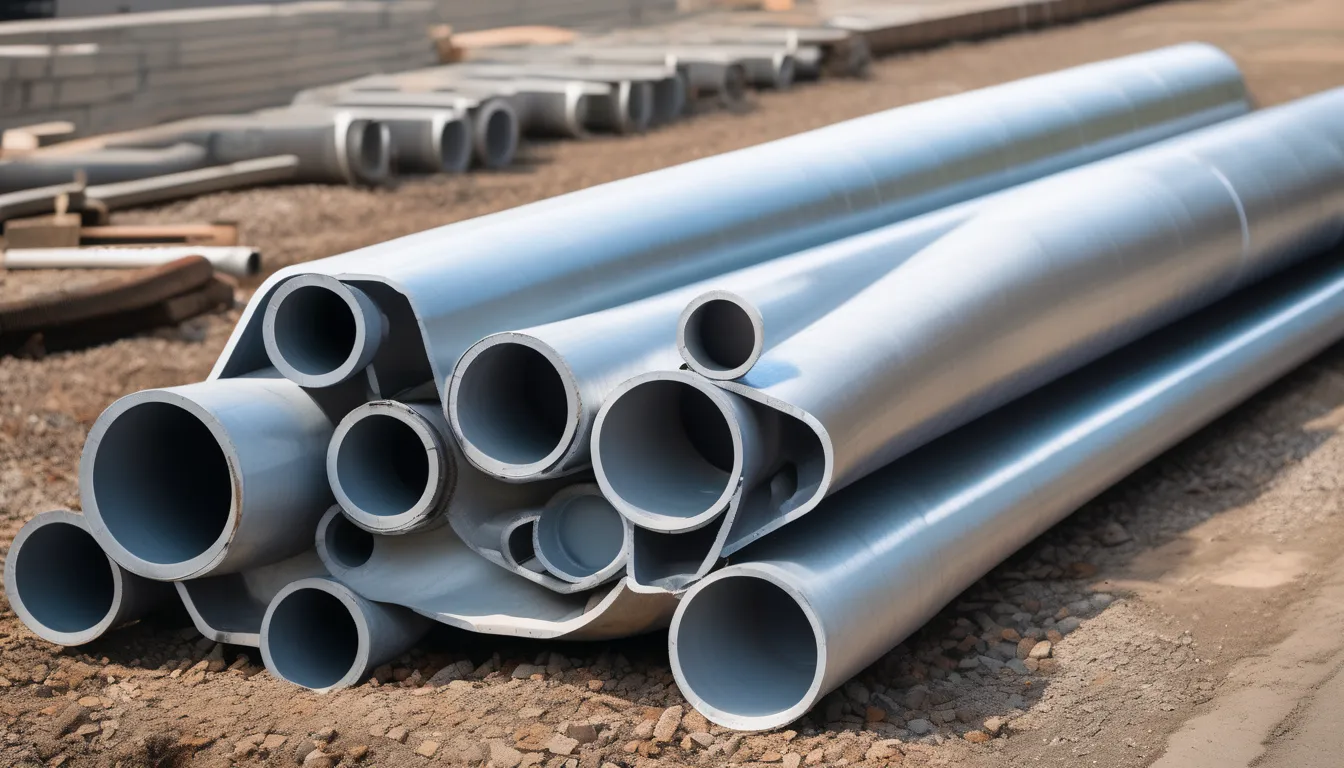
When it comes to drainage pipe installation, you can’t afford to cut corners. A poorly installed system can lead to costly leaks, blockages, and premature damage. However, by taking the time to choose the right pipe materials, ensure watertight connections, and properly align joints and fittings, you can significantly extend the lifespan of your drainage system. But it’s not just about the materials and connections – there’s more to consider. You’ll want to ensure that your drainage pipe slopes are correctly installed to prevent issues down the line. So, what else can you do to guarantee a long-lasting system?

Choosing the Right Pipe Materials

When choosing the right pipe materials for your drainage system, you’re essentially setting the foundation for its overall performance and longevity. You need to consider factors such as the type of waste being drained, water flow rates, and operating pressures.

PVC (polyvinyl chloride), ABS (acrylonitrile-butadiene-styrene), and HDPE (high-density polyethylene) are popular choices for drainage pipes due to their durability and resistance to corrosion.

PVC pipes are ideal for residential and commercial applications, as they’re lightweight and easy to install. ABS pipes are suitable for high-temperature applications, such as those involving grease or chemicals. HDPE pipes are commonly used for industrial and municipal applications, as they can withstand high pressures and are resistant to abrasion.

When selecting pipe materials, you should also consider local building codes and regulations. Ensure that the pipes you choose meet or exceed these requirements.

Additionally, consider the pipe’s thickness and wall type, as these factors can affect its performance and lifespan. By choosing the right pipe materials, you can ensure a reliable and efficient drainage system.

Ensuring Watertight Pipe Connections

Ensuring Watertight Pipe Connections

As you move on to installing your drainage pipes, ensuring watertight connections becomes crucial for the entire system’s efficiency. A watertight connection prevents leaks, reduces the risk of water damage, and ensures the system’s longevity. To achieve this, you’ll need to use the right sealants and follow proper installation techniques.

Sealant Type Recommended Use
Silicone-based sealants For connections that will be exposed to water or high humidity
Epoxy-based sealants For connections that require high strength and durability
Polyurethane-based sealants For connections that require flexibility and resistance to abrasion
Butyl-based sealants For connections that require a strong seal and resistance to chemicals

When applying sealants, make sure to follow the manufacturer’s instructions and apply the recommended amount. It’s also essential to test the connections before finalizing the installation. By ensuring watertight connections, you’ll be able to prevent costly repairs and ensure your drainage system operates efficiently for years to come. Regular inspections can also help identify potential issues before they become major problems.

Proper Joint and Fitting Installation

Tackling proper joint and fitting installation is a crucial step in building a reliable drainage system.

You’ll be working with various types of joints and fittings, including couplings, adapters, and elbows, so it’s essential to understand how to install them correctly.

When installing joints and fittings, make sure to follow these best practices:

  • Use the correct type of gasket or sealant for the specific joint or fitting you’re using.
  • Apply the correct amount of torque to avoid damaging the threads or compromising the seal.
  • Ensure all joints and fittings are properly aligned and seated before tightening.
  • Use a level to ensure fittings are installed plumb and level.
  • Inspect all joints and fittings before backfilling to ensure they’re secure and watertight.

Installing Drainage Pipe Slopes Correctly

You’ve secured your joints and fittings, now it’s time to focus on installing drainage pipe slopes correctly. Properly sloped drainage pipes are crucial for efficient water flow and preventing issues like clogs and backups.

The ideal slope varies depending on the type of pipe and local building codes, but a general rule of thumb is 1/4 inch per foot.

When installing drainage pipe slopes, consider the pipe’s material and diameter. For example, PVC pipes can be more prone to sagging than other materials, so they may require additional support.

Ensure the pipe is securely fastened to the surrounding structure to prevent shifting or settling over time. It’s also essential to verify the slope is consistent throughout the entire pipe run.

Use a level and string line to double-check the slope, and make adjustments as needed. Don’t forget to consider the pipe’s venting and cleanout access when planning the slope.

Testing and Inspecting the System

Testing and inspecting your drainage system is critical to confirming its performance and identifying potential issues before they become major problems.

You’ll want to make sure everything is working as it should to avoid costly repairs down the line.

To test your drainage system, you’ll need to run water through the pipes to check for leaks, blockages, or other issues. This can be done by using a hose or simply by running water from your sinks, toilets, or washing machines.

As you’re testing, keep an ear out for any unusual sounds, like gurgling or bubbling, which could indicate a problem.

Some key things to inspect in your drainage system include:

  • *Pipe connections and joints* for signs of leaks or damage
  • *Drainage fields or leach fields* for proper water flow and absorption
  • *Catch basins and storm drains* for blockages or debris
  • *Sewer lines* for signs of damage or corrosion
  • *Drainage slopes* for proper grade and pitch

Conclusion

You’ve learned the importance of proper drainage pipe part installation for system longevity. By choosing the right materials, ensuring watertight connections, and installing joints and fittings correctly, you’ll prevent leaks and blockages. Correctly installing 排水管 岐阜県 pipe slopes and testing the system will also help. Following these steps will reduce maintenance costs and extend the system’s lifespan. Proper installation is crucial, so make sure you get it right to avoid costly repairs down the road.


The Science of Skin Care  Innovative Treatments Explained

The Science of Skin Care Innovative Treatments Explained

You may have noticed the array of skincare products and treatments available today, touting advanced technologies that promise to revolutionize your skin. But have you ever wondered what’s behind these claims? From stem cell therapy to nanotechnology, and laser treatments to microneedling, these innovations are backed by science. As you explore the world of skincare, you’ll find that it’s no longer just about moisturizing and protecting your skin – it’s about harnessing the power of science to repair, restore, and rejuvenate. But which of these cutting-edge treatments holds the most promise for achieving your skincare goals?

Unlocking Stem Cell Therapy

Delving into the world of stem cell therapy, you’ll find a promising approach to skin care that’s gaining traction. Stem cells have the ability to differentiate into various cell types, making them an attractive solution for skin rejuvenation.

When applied to the skin, stem cells can help repair damaged tissue, reduce inflammation, and stimulate collagen production.

You can harness the power of stem cells through topical creams, serums, or injections. Topical applications often contain stem cell extracts or plant-derived stem cells that promote cell renewal.

Injections, on the other hand, involve introducing stem cells directly into the skin, where they can stimulate collagen production and improve skin texture.

As you explore stem cell therapy for skin care, it’s essential to understand the different types of stem cells used. Human-derived stem cells, for instance, are considered more effective than plant-derived ones.

However, the use of human-derived stem cells raises concerns about ethics and sourcing. When choosing a stem cell-based product, look for reputable brands that ensure the quality and safety of their ingredients.

Nanotechnology in Skincare Products

As you look beyond stem cell therapy for enhanced skin rejuvenation, consider the role of nanotechnology in skincare products. Nanotechnology involves the use of tiny particles, typically between 1-100 nanometers in size, to deliver active ingredients deeper into the skin.

These particles, known as nanoparticles, can be made from a variety of materials, including lipids, polymers, and ceramics.

When applied to the skin, nanoparticles can help to target specific areas, such as fine lines, wrinkles, or hyperpigmentation. They can also help to increase the bioavailability of active ingredients, allowing them to work more effectively.

Some skincare products use nanoparticles to deliver antioxidants, such as vitamin C or E, which can help to neutralize free radicals and protect the skin from environmental stressors.

Nanoparticles can also be designed to release active ingredients slowly, providing a sustained release of benefits over time. This can be particularly useful for ingredients that are unstable or difficult to deliver in traditional skincare products.

Laser Treatments Explained

Precision is key when it comes to tackling skin concerns like fine lines, wrinkles, and hyperpigmentation. That’s where laser treatments come in – a non-invasive, precise method for addressing various skin issues.

Laser treatments work by emitting high-intensity light that targets specific skin concerns, such as brown spots or broken blood vessels.

When you undergo a laser treatment, the laser beam selectively targets the problem area, leaving the surrounding skin untouched. This precision minimizes downtime and reduces the risk of adverse effects.

There are various types of laser treatments, including ablative and non-ablative lasers. Ablative lasers remove the top layers of skin to reveal smoother, more even-toned skin, while non-ablative lasers stimulate collagen production without removing skin layers.

You can use laser treatments to address a range of skin concerns, from acne and rosacea to fine lines and wrinkles. They can also be used to remove unwanted hair and tattoos.

Before undergoing a laser treatment, it’s essential to consult with a skincare professional to determine the best course of treatment for your specific skin concerns.

The Power of Microneedling

Microneedling is a minimally invasive skin treatment that’s gaining popularity sknn clinic its ability to stimulate collagen production and improve skin texture. It works by creating micro-injuries in the skin using tiny needles, which triggers your skin’s natural healing process.

This process involves the production of collagen and elastin, two essential proteins that give your skin its strength and elasticity.

When you undergo microneedling, your skin care professional will use a device with fine needles to create micro-injuries in the skin.

The depth of these micro-injuries can be adjusted depending on your skin concerns and goals.

The treatment can be customized to address various skin issues, including fine lines, wrinkles, acne scars, and hyperpigmentation.

After the treatment, your skin may appear red and irritated, but this typically resolves on its own within a few days.

To get the most out of microneedling, it’s essential to follow a proper skincare routine and protect your skin from the sun.

Advances in Peptide Skincare

What role do peptides play in your skincare routine? You likely know the importance of collagen in maintaining youthful skin, but peptides are key to stimulating collagen production.

Advances in peptide skincare have led to various innovative treatments, from serums and creams to injectables.

Peptides, short chains of amino acids, act as messengers, communicating with skin cells to stimulate specific responses.

Research has led to the development of peptides targeting specific skin concerns like wrinkles, skin elasticity, and hyperpigmentation.

For example, acetyl hexapeptide-8 (Argireline) and palmitoyl pentapeptide-4 (Matrixyl) are two popular peptides known for their wrinkle-fighting properties.

When choosing a peptide-based product, you should consider your specific skin concerns and look for products containing clinically-tested peptides.

Also, remember that peptides can be unstable, so the product’s formulation and packaging are crucial in maintaining the peptides’ potency.

By incorporating peptides into your skincare routine, you can experience improved skin texture, reduced fine lines, and a more youthful appearance.

Consult with a skincare professional to determine the best peptide-based treatment for your individual skin needs.

Conclusion

You’ve now unlocked the secrets of cutting-edge skincare treatments. By harnessing the power of stem cell therapy, nanotechnology, laser treatments, microneedling, and peptide skincare, you can revolutionize your skin care routine. These innovative treatments can help you repair damaged tissue, reduce inflammation, and promote a more youthful appearance. With this knowledge, you’re one step closer to achieving the radiant, glowing skin you’ve always wanted – and it’s all thanks to the science behind skincare.

The Art of Glass  Exploring Superior Glass Components

The Art of Glass Exploring Superior Glass Components

You’re likely no stranger to the versatility of glass, but have you ever stopped to consider the intricate craftsmanship and cutting-edge technology that goes into creating superior glass components? Glass production techniques have evolved significantly, allowing for the creation of complex shapes and forms that not only elevate aesthetics but also provide functional benefits. As you explore the unique characteristics of glass, you’ll discover its vast potential in various applications, from medical equipment to architectural designs. But what really sets superior glass components apart, and how are they shaping the future of modern design?

Unique Characteristics of Glass

When you think of glass, you might imagine a delicate vase or a sturdy windowpane, but what makes glass so versatile and widely used is its unique set of characteristics. Glass is 100% recyclable, making it an environmentally friendly material.

It’s also non-porous, which means it won’t absorb or react with other materials, making it ideal for packaging and storing food and drinks.

You’ll find that glass is highly resistant to corrosion and can withstand extreme temperatures without losing its shape or form. This property makes it suitable for use in laboratories, medical facilities, and even in the construction of buildings.

Additionally, glass is transparent, allowing light to pass through and making it perfect for windows, doors, and other applications where visibility is essential.

Glass can also be molded into various shapes and forms, giving it an artistic edge. Its durability and versatility make it a popular choice for architects, designers, and artists who want to create unique and functional pieces.

Whether it’s used in construction, art, or everyday objects, the unique characteristics of glass make it an invaluable material in many industries.

Glass Production Techniques

From raw materials to finished products, glass production involves a complex set of techniques that have been refined over centuries. When you look at the process, you’ll see that it begins with the selection of raw materials, including silica sand, soda ash, and limestone.

These materials are then mixed with recycled glass and other additives to create a glass formula. The formula is then heated to extremely high temperatures in a furnace until it melts and forms a molten glass.

This molten glass can be formed using various techniques, including float glass production, where the glass is floated onto a bed of molten tin, and pressing, where the glass is pressed into a mold using a machine.

You’ll also notice that different techniques can be used to shape and shower sweep m the glass, such as blowing, casting, and cutting. Glass can be annealed to relieve stresses, or tempered to increase its strength.

Additionally, coatings can be applied to the glass to improve its performance and appearance. By understanding these production techniques, you’ll appreciate the craftsmanship and expertise that goes into creating superior glass components.

Applications of Glass Components

With a solid understanding of the techniques involved in glass production, it’s time to explore the wide range of applications for these versatile components. You’ll find glass components in various industries, from medical equipment to automotive parts.

In the medical field, glass is used in test tubes, beakers, and other laboratory equipment due to its non-reactive and sterilizable properties. In the automotive industry, glass is used for windshields, side windows, and rear windows, providing safety and protection for drivers and passengers.

Glass components are also used in electronics, such as smartphones, televisions, and computer monitors, where they provide a durable and scratch-resistant surface.

Additionally, glass is used in cookware and tableware, such as baking dishes, measuring cups, and drinking glasses, due to its heat-resistant and non-toxic properties.

Furthermore, glass components are used in lighting fixtures, such as lamps and sconces, where they provide a decorative and functional element.

As you can see, glass components play a vital role in various aspects of your life, and their applications continue to expand and evolve with new technologies and innovations.

Impact on Modern Architecture

The Art of Glass

Impact on Modern Architecture

Glass transforms the cityscape, shaping modern architecture in ways both functional and aesthetically striking. As you explore the urban landscape, you notice the versatility of glass in building design. From sleek skyscrapers to modern museums, glass plays a crucial role in defining the character of a building.

Glass Feature Architectural Benefit
Insulating properties Reduces energy consumption and costs
Transparency and reflectivity Enhances natural light and visual interest
Durability and strength Enables large, unsupported expanses of glass
Aesthetic flexibility Allows for a wide range of colors, textures, and styles

You see glass used in various forms, such as walls, roofs, and facades. Its ability to filter natural light, reduce noise pollution, and provide insulation makes it an attractive choice for architects. Moreover, glass can be molded into complex shapes, offering endless design possibilities. As a result, glass has become a staple material in modern architecture, allowing buildings to blend seamlessly into their surroundings while making a bold statement. Its impact on the urban landscape is undeniable, and its potential applications continue to grow.

Future of Glass Innovation

The Art of Glass: Exploring Superior Glass Components

Future of Glass Innovation

As you gaze out at the city’s sleek glass skyscrapers, you can’t help but wonder what’s next for this versatile material.

The future of glass innovation is poised to transform the way we live and work. With ongoing research and development, glass is becoming increasingly sustainable, adaptable, and technologically advanced.

Some potential developments on the horizon include:

  • Electrochromic glass: Windows that can change from transparent to opaque with the touch of a button, reducing the need for blinds and shades.
  • Self-healing glass: A new type of glass that can repair scratches and cracks autonomously, reducing waste and maintenance costs.
  • Solar glass: Building-integrated photovoltaics that can generate electricity while still allowing light to pass through.
  • Smart glass: Glass that can monitor and respond to environmental conditions, such as temperature and humidity.
  • Bioglass: Biodegradable glass made from natural materials, offering a sustainable alternative to traditional glass.

Conclusion

As you explore the world of glass, you’ll discover its limitless potential. With its unique characteristics, innovative production techniques, and diverse applications, glass continues to elevate modern designs. From sleek skyscrapers to cutting-edge medical equipment, glass plays a vital role in shaping our world. As you look to the future, you can expect even more groundbreaking glass innovations that push the boundaries of art, design, and functionality.

The Role of Metal Roof Panels in Modern Architecture

The Role of Metal Roof Panels in Modern Architecture

As you consider the elements that define modern architecture, you’ll likely find metal roof panels at the forefront of innovative design. Their versatility and sustainability make them a staple in contemporary building practices. But what is it about metal roof panels that has architects and builders alike turning to them as a go-to solution? Is it their impressive durability, their ability to withstand harsh weather conditions, or something more? The answer lies in their unique combination of form and function, but that’s just the beginning – there’s more to explore about the role metal roof panels play in shaping modern architecture.

Benefits of Metal Roof Panels

Several key benefits make metal roof panels a popular choice for homeowners and builders alike. You’ll appreciate their durability, as they can withstand harsh weather conditions like heavy rain, hail, and strong winds. Metal roof panels are also resistant to pests and mold, reducing the risk of damage and maintenance costs. Additionally, they’re non-combustible, providing a high level of fire resistance and safety.

You’ll also benefit from the energy efficiency of metal roof panels. They can be coated with reflective materials that help reduce heat gain in the summer and heat loss in the winter, lowering your energy bills.

Furthermore, metal roof panels are made from recyclable materials, making them an environmentally friendly option. Many metal roof panels are also made from recycled materials, reducing waste and the demand for new raw materials.

Design Flexibility and Aesthetics

As you weigh the benefits of metal roof panels, you’ll also appreciate their versatility in design and aesthetics.

With a wide range of profiles, colors, and finishes available, metal roof panels can complement almost any architectural style. They can be designed to mimic traditional roofing materials like wood or slate, or they can be used to create a sleek, modern look.

Metal roof panels can be used in various design applications, including:

  1. Residential buildings: Metal roof panels can be used to create a unique, modern look or to blend in with traditional neighborhoods.
  2. Commercial buildings: Metal roof panels can be used to create a sleek, professional look that’s perfect for office buildings or retail spaces.
  3. Historic restorations: Metal roof panels can be designed to mimic traditional roofing materials, making them a great choice for historic restorations.
  4. Modern designs: Metal roof panels can be used to create a bold, modern look that’s perfect for cutting-edge architectural designs.

Environmental Impact and Sustainability

By choosing metal roof panels, you’re not only getting a durable and versatile roofing solution, but you’re also making a sustainable choice that benefits the environment. Metal roof panels are made from recyclable materials, such as steel, aluminum, and zinc, which can be reused at the end of their life cycle.

This significantly reduces waste and minimizes the demand for raw materials.

Additionally, metal roof panels are highly energy-efficient. They can be coated with reflective materials that reduce heat gain during the summer and heat loss during the winter, which can lead to significant energy savings.

This, in turn, reduces your carbon footprint and contributes to a more sustainable future.

Metal roof panels also offer a unique advantage in terms of stormwater management. They can be designed to harvest rainwater, reducing stormwater runoff and the resulting pollution in nearby waterways.

Durability and Long-Term Performance

Metal roof panels have built a reputation for their exceptional durability and long-term performance.

As you consider incorporating metal roofing into your next project, you can expect a roof that withstands harsh weather conditions and lasts for decades.

One of the primary benefits of metal steelridgemetal.com/snap-lock panels is their resistance to corrosion, which ensures that they maintain their structural integrity over time.

When it comes to durability and long-term performance, metal roof panels offer several advantages.

Here are a few key benefits to consider:

  1. Weather resistance: Metal roof panels are designed to withstand extreme weather conditions, including heavy rainfall, hail, and high winds.
  2. Pest and fire resistance: Metal roof panels are non-combustible and resistant to pests, reducing the risk of damage from fire and infestation.
  3. Low maintenance: Metal roof panels require minimal maintenance, as they’re resistant to mold, mildew, and algae growth.
  4. Long lifespan: Metal roof panels can last for 30 to 50 years or more, depending on the material and installation quality.

Emerging Trends in Metal Roofing

The metal roofing industry is constantly evolving, driven by advances in technology and changing consumer preferences. You’re seeing a shift towards more sustainable and environmentally friendly metal roofing options. This includes the use of recycled materials, solar panels integrated into roofing systems, and coatings that reduce energy consumption by reflecting solar rays.

You’re also noticing increased interest in curved and tapered metal roofing systems, which offer unique design possibilities. These systems can be used to create complex shapes and angles, allowing architects to push the boundaries of modern design.

Additionally, there’s a growing trend towards using metal roofing panels with built-in insulation, which can help reduce energy costs and improve building efficiency.

Another emerging trend is the use of metal roofing systems that can be installed over existing roofs. This approach reduces waste, saves time, and minimizes disruption to building occupants. As you explore metal roofing options, consider these emerging trends and how they can help you achieve your design and sustainability goals.

Conclusion

You’ve seen how metal roof panels are revolutionizing modern architecture. With their numerous benefits, design flexibility, and environmental sustainability, it’s no wonder they’re a top choice for architects and builders. As you continue to design and build, consider metal roof panels for their durability, energy efficiency, and aesthetic appeal. By choosing metal, you’ll be creating structures that are both functional and visually stunning, with a lasting impact on the built environment.

Scale Brand Reach Fast With SMM Panel Services Today

As a business owner, you're likely no stranger to the importance of social media in expanding your brand's reach. But with so many platforms to manage and an ever-growing audience to engage, it can be overwhelming. That's where SMM panel services come in – offering a streamlined way to boost your online presence. By leveraging these services, you can instantly increase engagement and gain visibility. But what exactly is an SMM panel service, and how can you harness its power to scale your brand's reach? Let's explore the possibilities.

What Is Youtube SMM panel Service

You've likely come across the term "SMM panel service" while exploring social media marketing strategies.

If you're still unsure what it means, don't worry – it's relatively simple. An SMM panel is a website that offers social media services, allowing you to buy followers, likes, comments, shares, and other engagement metrics for your social media accounts.

These services are usually automated, using bots or algorithms to generate the engagement.

You can choose from various packages, each with its own set of features and prices. Some SMM panels also offer additional services, such as account management and content creation.

When you use an SMM panel, you'll typically need to provide your social media account credentials and select the services you want to purchase.

The SMM panel will then take care of the rest, generating the engagement and delivering it to your account.

It's a straightforward process that can help you grow your social media presence quickly.

Benefits of Using SMM Panels

Using an SMM panel can have several benefits for your social media marketing strategy.

As you look to expand your online presence and reach a wider audience, an SMM panel can be a valuable tool in your arsenal.

By leveraging the power of social media, you can increase your brand's visibility, drive more traffic to your website, and ultimately boost sales.

Some of the key benefits of using an SMM panel include:

  • *Increased social media engagement*: With an SMM panel, you can quickly and easily increase your social media engagement, including likes, comments, and shares.
  • *Improved brand visibility*: By increasing your social media presence, you can improve your brand's visibility and reach a wider audience.
  • *Cost-effective*: SMM panels are often more cost-effective than traditional social media marketing methods, making them a great option for businesses on a budget.
  • *Time-saving*: SMM panels can save you time and effort by automating many social media marketing tasks.
  • *Measurable results*: With an SMM panel, you can track your results and see the impact of your social media marketing efforts.

How SMM Panels Work

One key advantage of SMM panels is their straightforward operational process.

When you sign up for an SMM panel, you'll typically create an account, deposit funds into it, and then select the services you want to purchase.

You'll usually have access to a user-friendly dashboard that allows you to place orders and track their progress.

You'll need to provide some basic information about the content you want to promote, such as the link or handle, and the type of engagement you're looking for (e.g., likes, followers, comments).

The SMM panel will then connect you with a network of suppliers who can fulfill your order.

These suppliers are usually individuals or companies that have large followings on social media platforms.

They'll promote your content to their audience, which can help you increase your online visibility and reach a larger audience.

The SMM panel will handle the logistics of the order, including managing the suppliers and ensuring that the work is delivered on time.

Choosing the Right SMM Panel

When selecting an SMM panel, your business's online success is on the line.

You need to choose a reliable and trustworthy provider that meets your specific needs. With so many options available, it's crucial to do your research and evaluate potential SMM panels carefully.

  • *Reputation*: Look for reviews and testimonials from other customers to gauge the provider's reliability and quality of service.
  • *Features and services*: Ensure the SMM panel offers the specific services you need, such as social media followers, likes, and comments.
  • *Pricing*: Compare prices among different providers to find the best value for your money.
  • *Customer support*: Check if the provider offers responsive and helpful customer support in case you encounter any issues.
  • *Security*: Verify that the SMM panel uses secure payment methods and protects your personal data.

Maximizing SMM Panel Results

Effective SMM panel results don't happen by chance – they require a strategic approach.

You must define your goals, target audience, and key performance indicators to measure success. By doing so, you'll be able to track your progress, identify areas for improvement, and adjust your strategy accordingly.

To maximize your SMM panel results, it's essential to diversify your social media presence.

Focus on multiple platforms, and tailor your content to each audience. Use a mix of promotional, educational, and engaging content to keep your followers interested.

You should also utilize the panel's automation features to streamline your workflow and save time.

Monitor your analytics regularly to identify what's working and what's not.

Adjust your content and targeting strategies based on the data. Engage with your followers by responding to comments and messages promptly.

By following these steps, you'll be able to maximize your SMM panel results and achieve your social media marketing goals.

Frequently Asked Questions

Can I Use SMM Panels for Personal Social Media Accounts?

You can definitely use SMM panels for personal social media accounts. They're designed to manage multiple profiles, automate tasks, and boost engagement. You'll save time and effort in maintaining your online presence efficiently.

How Long Does It Take to See SMM Panel Results?

You'll likely see SMM panel results within a few days to a week, but it depends on your chosen services and target audience. You're looking at faster growth if you're using high-quality panels with real engagement.

Are SMM Panels Compatible With All Social Media Platforms?

When using SMM panels, you'll find most are compatible with major platforms like Facebook, Instagram, and Twitter. However, you might notice some limitations with newer or niche platforms, so it's best to check your panel's compatibility first.

Can I Customize SMM Panel Services for Specific Goals?

You can tailor SMM panel services to fit specific goals, such as increasing followers or engagement. Many providers offer customizable packages, allowing you to target your desired audience and achieve your objectives efficiently.

Do SMM Panels Offer Customer Support and Maintenance?

You'll likely find that most SMM panels offer customer support and maintenance, including live chat, email, or ticket systems, to help you resolve issues and optimize your social media management quickly and efficiently.

Conclusion

You're ready to take your brand to the next level with SMM panel services. By leveraging these services, you'll unlock a world of social media possibilities and instantly boost engagement metrics. Focus on creating high-quality content while automated algorithms handle the rest. With real-time tracking and data-driven decisions, you'll maximize ROI and scale your brand reach fast. Make the most of SMM panels and watch your online presence soar.