
Challenges of AI Adoption in Healthcare

Challenges of AI Adoption in Healthcare

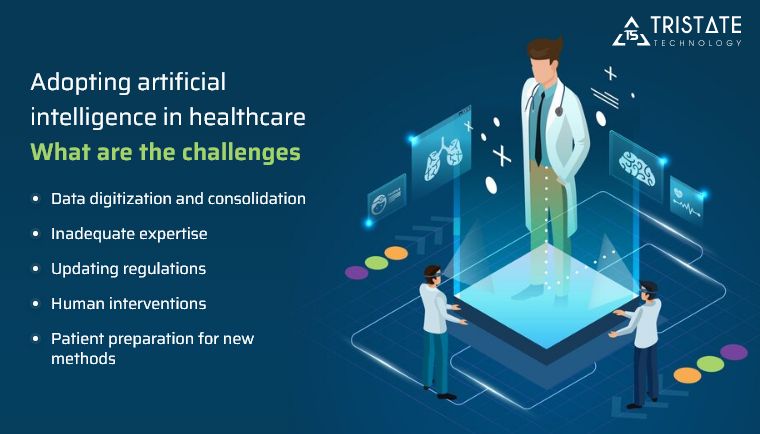
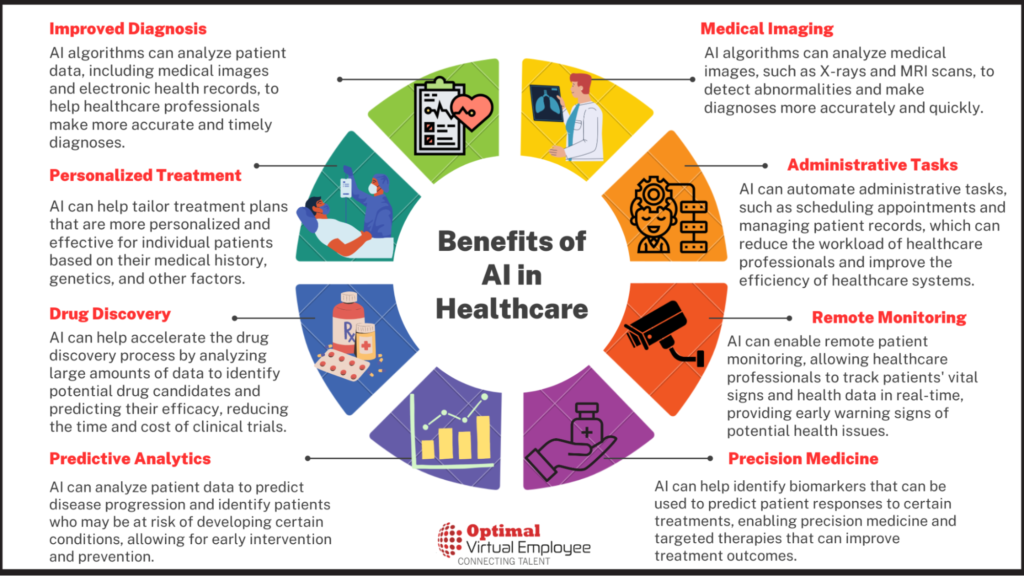
The integration of Artificial Intelligence (AI) into healthcare promises to revolutionize how medical services are delivered, offering enhanced diagnostics, personalized treatment, and streamlined operations. Despite its transformative potential, the adoption of AI in healthcare is fraught with challenges that must be addressed to fully realize its benefits. These challenges span technical, ethical, and practical domains, impacting everything from data management to patient trust. This article explores the multifaceted challenges of AI adoption in healthcare, providing a comprehensive overview of the barriers to implementation and potential solutions.

Data Privacy and Security

One of the most significant challenges in adopting AI in healthcare is ensuring data privacy and security. AI systems rely on vast amounts of sensitive health data, including personal medical histories, genetic information, and real-time health metrics. The collection, storage, and processing of this data raise substantial privacy concerns, particularly given the potential for data breaches and misuse.

Healthcare organizations must comply with stringent regulations such as the Health Insurance Portability and Accountability Act (HIPAA) in the United States or the General Data Protection Regulation (GDPR) in Europe. These regulations mandate rigorous safeguards to protect patient data. However, as AI systems often involve multiple stakeholders and data sources, maintaining compliance and ensuring robust data protection can be complex. Encryption, secure data storage, and strict access controls are essential to mitigate the risk of data breaches and uphold patient trust.

Integration with Existing Systems

Integrating AI systems with existing healthcare infrastructure presents another significant challenge. Many healthcare providers use diverse and often outdated systems for managing patient information, including electronic health records (EHRs), laboratory systems, and imaging software. AI solutions need to seamlessly integrate with these disparate systems to be effective.

The lack of standardization in healthcare IT systems exacerbates this challenge. AI models require high-quality, consistent data to function accurately, but inconsistencies in data formats and interoperability issues can hinder their effectiveness. Developing and implementing interfaces and protocols that enable smooth integration between AI tools and existing systems is crucial for successful adoption. This process often involves significant time, financial investment, and technical expertise.

Algorithmic Bias and Fairness

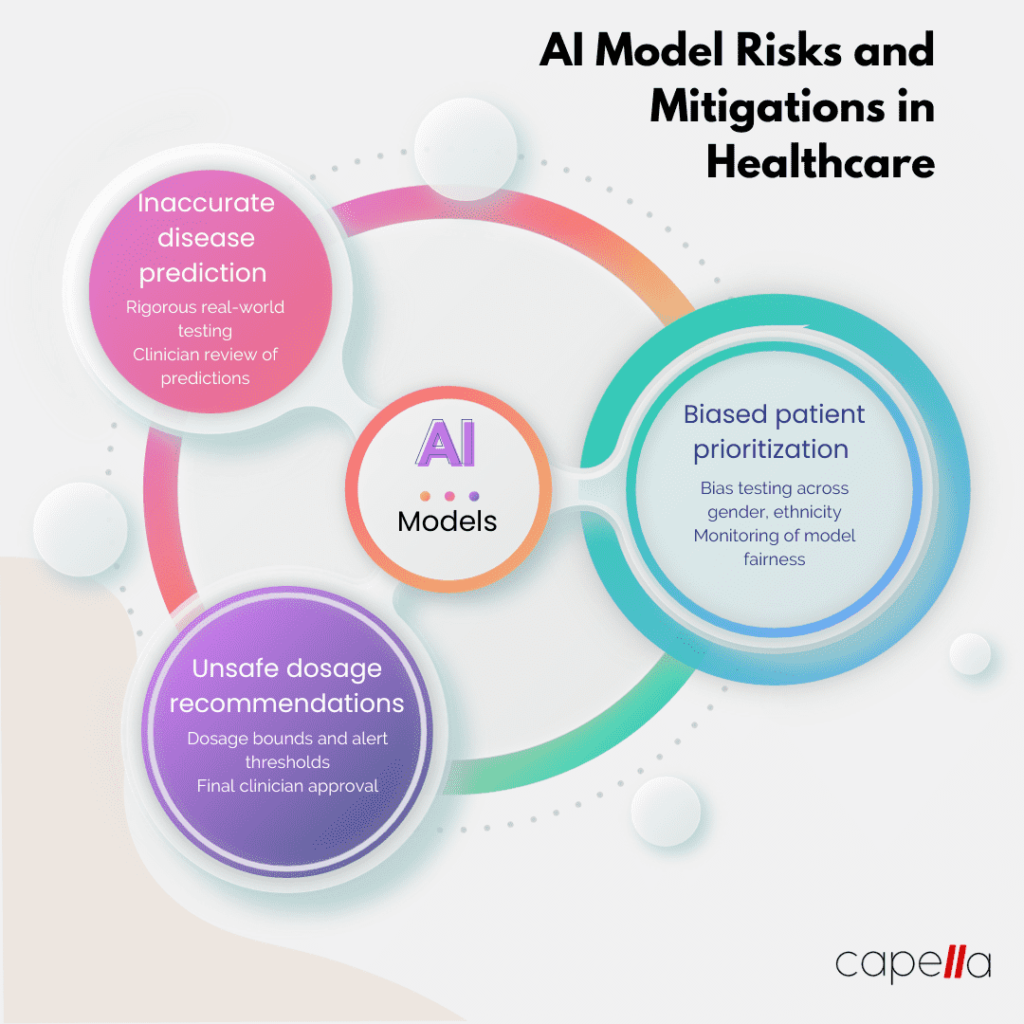
Algorithmic bias is a critical concern in the adoption of AI in healthcare. AI systems learn from historical data, and if this data reflects existing biases or disparities, the algorithms can perpetuate or even exacerbate these biases. For example, if an AI model is trained on data from predominantly one demographic group, it may produce less accurate or equitable results for individuals from other groups.

Addressing algorithmic bias requires careful attention to data diversity and inclusivity. Ensuring that AI models are trained on representative datasets and regularly audited for fairness can help mitigate these issues. Additionally, involving diverse teams in the development and evaluation of AI systems can contribute to more equitable outcomes. Transparency in how AI models make decisions and ongoing monitoring are also essential for identifying and correcting biases.

Clinical Validation and Reliability

For AI systems to be integrated into clinical practice, they must undergo rigorous validation to ensure their reliability and accuracy. Clinical validation involves assessing how well an AI tool performs in real-world healthcare settings compared to traditional methods. This process is crucial for establishing the credibility and safety of AI systems.

However, clinical validation can be challenging due to the complexity of healthcare environments and the need for extensive testing across different patient populations and conditions. Additionally, the pace of AI development often outstrips the speed of validation processes, leading to potential delays in deploying new technologies. Establishing standardized protocols for validating AI systems and ensuring that they meet high standards of accuracy and reliability is essential for successful adoption.

Ethical and Regulatory Concerns

The ethical and regulatory landscape surrounding AI in healthcare is still evolving, presenting significant challenges for adoption. Ethical concerns include the potential for AI to make decisions that impact patient care without adequate human oversight. Questions about the transparency of AI decision-making processes, accountability for errors, and the potential for dehumanization of care are crucial considerations.

Regulatory bodies are working to develop frameworks that address these concerns and ensure that AI systems meet safety and efficacy standards. However, the rapid pace of technological advancement can outstrip the ability of regulatory agencies to keep up. Navigating the regulatory environment and ensuring compliance with evolving standards requires ongoing collaboration between healthcare providers, technology developers, and regulatory authorities.

Patient and Provider Acceptance

The successful adoption of AI in healthcare also hinges on the acceptance of both patients and providers. Patients may have concerns about the use of AI in their care, including fears about data privacy, the accuracy of AI-driven recommendations, and the potential loss of personal interaction with healthcare professionals. Building patient trust requires clear communication about how AI systems are used, the benefits they offer, and the measures in place to protect privacy.

Healthcare providers, on the other hand, may be hesitant to adopt AI technologies due to concerns about their impact on workflow, job security, and the quality of patient interactions. Training and education are essential for ensuring that healthcare professionals understand how to effectively use AI tools and integrate them into their practice. Demonstrating the value of AI in improving patient outcomes and enhancing clinical decision-making can help overcome resistance and facilitate acceptance.

The Future of AI in Healthcare

Despite these challenges, the future of AI in healthcare holds significant promise. Advances in technology, increased focus on data privacy, and ongoing efforts to address ethical and regulatory issues will drive the evolution of AI solutions. Collaborative efforts between technology developers, healthcare providers, regulators, and patients will be crucial for overcoming these challenges and ensuring the successful integration of AI into healthcare.

As AI continues to advance, it is essential to address the challenges of data privacy, system integration, algorithmic bias, clinical validation, ethical concerns, and acceptance. By tackling these issues proactively, stakeholders can pave the way for AI to enhance healthcare delivery, improve patient outcomes, and drive innovation in the field.

Conclusion

The adoption of AI in healthcare presents a range of challenges that must be addressed to fully leverage its potential. From data privacy and system integration to algorithmic bias and clinical validation, these challenges require careful consideration and collaborative effort. As the healthcare industry continues to evolve, addressing these challenges will be key to unlocking the transformative power of AI and realizing its potential to improve patient care, enhance clinical decision-making, and drive innovation in healthcare.

How to Use AI for Health Risk Assessment

How to Use AI for Health Risk Assessment

Artificial Intelligence (AI) has emerged as a transformative force in healthcare, offering advanced tools for predicting, diagnosing, and managing various health conditions. One of the most promising applications of AI in this field is health risk assessment. By leveraging vast amounts of data and sophisticated algorithms, AI can provide valuable insights into an individual’s health risks, enabling more proactive and personalized healthcare interventions. However, effectively using AI for health risk assessment requires careful consideration of data quality, algorithmic accuracy, ethical implications, and integration with clinical practices.

Understanding AI in Health Risk Assessment

AI in health risk assessment involves using machine learning algorithms and other AI techniques to analyze complex health data and predict an individual’s likelihood of developing specific health conditions. These assessments can range from predicting the risk of chronic diseases like diabetes and cardiovascular conditions to evaluating the likelihood of acute events such as heart attacks or strokes.

AI systems typically analyze data from various sources, including electronic health records (EHRs), medical imaging, genetic information, and lifestyle factors. By identifying patterns and correlations within this data, AI models can generate risk scores or predictions that help healthcare providers and individuals understand their health risks more clearly.

Collecting and Preparing Data

The foundation of effective AI-driven health risk assessment lies in the quality and comprehensiveness of the data used. To build robust AI models, it is essential to collect diverse and high-quality data that accurately reflects an individual’s health status and risk factors. This data may include:

  • Clinical Data: Information from EHRs, including patient history, lab results, and previous diagnoses.
  • Genomic Data: Genetic information that can reveal predispositions to certain conditions.
  • Lifestyle Data: Information about lifestyle choices such as diet, physical activity, and smoking habits.
  • Environmental Data: Factors such as exposure to pollutants or living conditions that may impact health.

Data preparation involves cleaning and preprocessing this information to ensure its accuracy and usability. This step is crucial, as inconsistencies or errors in the data can lead to inaccurate risk assessments. Proper data integration and normalization are also necessary to combine different data sources effectively and create a comprehensive picture of an individual’s health risks.

Choosing and Training AI Models

Once the data is prepared, selecting the appropriate AI model is a critical step in health risk assessment. Various machine learning techniques can be used, including supervised learning, unsupervised learning, and deep learning. The choice of model depends on the specific health risk being assessed and the nature of the available data.

  • Supervised Learning: Involves training models on labeled data, where the outcomes (e.g., presence or absence of a disease) are known. This approach is useful for predicting known health risks based on historical data.
  • Unsupervised Learning: Used when the outcomes are not predefined, focusing on identifying patterns or clusters within the data. This can help uncover previously unknown risk factors or health conditions.
  • Deep Learning: Utilizes neural networks with multiple layers to analyze complex data, such as medical images or large-scale genomics data, offering high accuracy in predicting health risks.

Training AI models involves feeding them with historical data and using algorithms to learn from this data. The model’s performance is then evaluated using validation techniques to ensure it accurately predicts health risks. Continuous monitoring and refinement are necessary to maintain the model’s accuracy and relevance as new data and medical knowledge emerge.

Integrating AI Risk Assessments into Clinical Practice

For AI-driven health risk assessments to be effective, they must be seamlessly integrated into clinical practice. This involves developing user-friendly interfaces that allow healthcare providers to interact with AI systems easily and interpret their outputs. The AI-generated risk scores or recommendations should be presented in a way that is clear and actionable, enabling healthcare professionals to make informed decisions about patient care.

Healthcare providers also need to be trained in how to use AI tools and interpret their results. This includes understanding the limitations of AI models and how to incorporate their findings into clinical decision-making processes. Collaboration between AI developers and healthcare professionals is essential to ensure that the tools meet clinical needs and enhance patient care rather than replace human judgment.

Addressing Ethical and Privacy Concerns

The use of AI in health risk assessment raises important ethical and privacy concerns. Ensuring patient privacy and data security is paramount, as AI systems handle sensitive personal health information. Compliance with regulations such as the Health Insurance Portability and Accountability Act (HIPAA) and other data protection laws is essential to safeguard patient data.

Ethical considerations also include addressing potential biases in AI models. If AI systems are trained on biased data, they may produce skewed risk assessments that disproportionately affect certain populations. It is crucial to ensure that AI models are developed and validated using diverse datasets to minimize biases and promote equitable health risk assessments.

Additionally, transparency in AI decision-making processes is important. Patients and healthcare providers should understand how AI models generate risk assessments and the basis for their predictions. This transparency helps build trust in AI systems and ensures that their use aligns with ethical standards and patient expectations.

Evaluating and Improving AI Risk Assessment Tools

Continuous evaluation and improvement of AI risk assessment tools are necessary to ensure their effectiveness and reliability. This involves regularly updating models with new data, incorporating feedback from healthcare providers and patients, and addressing any identified issues or limitations. Ongoing research and development can help enhance the accuracy and applicability of AI tools, ensuring they remain valuable assets in health risk assessment.

Conclusion

AI-powered health risk assessment offers significant potential for improving patient care by providing accurate, data-driven insights into individual health risks. By leveraging comprehensive data, choosing appropriate AI models, integrating these tools into clinical practice, and addressing ethical and privacy concerns, healthcare providers can harness the benefits of AI to enhance risk assessment and promote proactive health management. As technology continues to evolve, ongoing evaluation and refinement of AI tools will be essential for maximizing their impact and ensuring they contribute positively to patient health and well-being.

Benefits of AI in Health Workforce Management

Benefits of AI in Health Workforce Management

The integration of artificial intelligence (AI) into healthcare workforce management is transforming how health organizations operate, enhancing efficiency, and improving patient care. AI technologies are reshaping various aspects of workforce management, from scheduling and resource allocation to staff training and performance evaluation. This article explores the key benefits of AI in health workforce management, highlighting how these technologies contribute to better operational efficiency and improved healthcare delivery.

Optimizing Staff Scheduling

One of the most significant benefits of AI in health workforce management is the optimization of staff scheduling. Traditional scheduling methods often involve manual processes that can be time-consuming and prone to errors. AI-powered scheduling systems, however, use algorithms to analyze a range of factors, including patient demand, staff availability, and regulatory requirements, to create optimal schedules.

AI systems can predict peak periods of patient activity and adjust staffing levels accordingly, ensuring that healthcare facilities are adequately staffed during busy times and minimizing overstaffing during quieter periods. This leads to improved operational efficiency, reduced labor costs, and enhanced patient care, as staff are available when needed most. Additionally, AI can accommodate individual staff preferences and availability, leading to more flexible and satisfying work schedules.

Enhancing Resource Allocation

AI contributes to better resource allocation by providing insights into how healthcare resources, such as medical equipment and support staff, are used. AI systems can analyze historical data and predict future resource needs, helping healthcare organizations allocate resources more effectively.

For instance, AI can forecast the demand for specific medical equipment or supplies based on patient admission patterns and seasonal trends. This helps prevent shortages and overstock situations, ensuring that resources are available when required. Similarly, AI can assist in optimizing the deployment of support staff, such as nurses and administrative personnel, based on patient care needs and workflow requirements.

Improving Recruitment and Retention

Recruitment and retention of skilled healthcare professionals are critical challenges for health organizations. AI can streamline the recruitment process by analyzing resumes, matching candidates’ skills and experiences with job requirements, and identifying the most suitable candidates for open positions.

AI-driven tools can also help in assessing the fit between candidates and the organizational culture, enhancing the likelihood of long-term retention. Furthermore, AI can assist in identifying factors that contribute to staff turnover and develop strategies to address them, such as improving work conditions or offering targeted professional development opportunities.

Facilitating Staff Training and Development

AI plays a crucial role in staff training and development by providing personalized learning experiences and identifying skills gaps. AI-powered platforms can analyze staff performance data and recommend tailored training programs to address specific needs.

For example, AI can identify areas where individual employees may need additional training or support, such as advanced clinical skills or new technology usage. By offering targeted training resources and real-time feedback, AI helps staff enhance their skills and stay up-to-date with the latest medical advancements and best practices. This leads to a more competent and confident workforce, ultimately benefiting patient care and organizational efficiency.

Enhancing Performance Evaluation

Performance evaluation is another area where AI contributes significantly to health workforce management. Traditional performance reviews can be subjective and inconsistent, but AI systems can provide objective and data-driven insights into employee performance.

AI tools can analyze a wide range of performance metrics, such as patient outcomes, workflow efficiency, and adherence to clinical guidelines, to evaluate staff performance. This data-driven approach allows for more accurate assessments and helps identify areas for improvement. Additionally, AI can assist in setting performance benchmarks and tracking progress over time, leading to more effective and actionable feedback for staff members.

Improving Employee Well-being

Employee well-being is a critical component of workforce management, and AI can play a role in supporting this aspect. AI-driven tools can monitor and analyze data related to staff workload, stress levels, and job satisfaction, providing insights into factors that may impact employee well-being.

For example, AI systems can track workload patterns and identify signs of burnout or excessive stress among staff. By addressing these issues proactively, healthcare organizations can implement measures to improve work conditions, such as adjusting workloads or offering support services. Enhancing employee well-being not only contributes to a healthier and more motivated workforce but also improves overall patient care.

Enhancing Communication and Collaboration

Effective communication and collaboration are essential for a well-functioning healthcare team. AI tools can facilitate better communication by providing platforms for real-time information sharing and collaboration.

For instance, AI-powered communication platforms can streamline information exchange between different departments, ensuring that all team members have access to up-to-date patient information and care plans. This leads to more coordinated and efficient care delivery. Additionally, AI can support virtual collaboration tools, enabling remote consultations and team meetings, which is particularly beneficial in a healthcare environment where teams may be dispersed across different locations.

Addressing Workforce Shortages

AI has the potential to address workforce shortages by augmenting the capabilities of existing staff and automating routine tasks. For example, AI-powered chatbots and virtual assistants can handle administrative tasks such as appointment scheduling and patient inquiries, freeing up healthcare professionals to focus on direct patient care.

Moreover, AI can support telemedicine and remote care initiatives, expanding access to healthcare services and reducing the strain on in-person staff. By leveraging AI technologies to handle certain tasks, healthcare organizations can better manage workforce shortages and ensure that patients receive timely and effective care.

Ensuring Compliance and Reducing Errors

Compliance with regulatory requirements and minimizing errors are critical aspects of healthcare management. AI can assist in ensuring compliance by automating the monitoring of regulatory standards and generating reports to demonstrate adherence.

Additionally, AI can help reduce errors by providing decision support tools that guide staff in following best practices and clinical guidelines. For instance, AI algorithms can assist in clinical decision-making by analyzing patient data and recommending appropriate treatment options, reducing the likelihood of clinical errors.

Conclusion

AI is playing an increasingly vital role in health workforce management, offering a range of benefits that enhance efficiency, improve patient care, and support staff development. By optimizing staff scheduling, enhancing resource allocation, improving recruitment and retention, and facilitating training and performance evaluation, AI technologies contribute to a more effective and well-managed healthcare workforce. As healthcare organizations continue to embrace AI, the potential for further innovation and improvement in workforce management is immense, promising a future where healthcare delivery is more efficient, responsive, and patient-centered.

The Benefits of AI on Mental Health Diagnostics

The Benefits of AI on Mental Health Diagnostics

Artificial Intelligence (AI) is increasingly influencing various fields within healthcare, with mental health diagnostics emerging as a particularly impactful area. The traditional methods of diagnosing mental health conditions often rely heavily on subjective assessments and patient self-reports, which can introduce variability and potential biases. AI technologies offer a transformative potential by enhancing diagnostic accuracy, facilitating early detection, personalizing treatment plans, and expanding access to care. This article delves into the benefits of AI in mental health diagnostics, highlighting how these advancements are improving patient outcomes and reshaping the landscape of mental health care.

Enhancing Diagnostic Accuracy

One of the most significant benefits of AI in mental health diagnostics is the enhancement of diagnostic accuracy. Traditional diagnostic approaches often depend on clinician expertise and patient self-reporting, which can be influenced by various factors such as personal biases, communication barriers, and variability in symptom presentation. AI systems, particularly those utilizing machine learning and natural language processing, can analyze large volumes of data from diverse sources—such as electronic health records, patient interviews, and even social media activity—to identify patterns associated with mental health conditions.

For instance, AI algorithms can process and interpret complex linguistic patterns in text data from patient communications to detect signs of depression, anxiety, or other mental health disorders. By providing a more objective analysis, AI reduces the likelihood of misdiagnosis and enhances the accuracy of mental health assessments. This increased diagnostic precision is crucial for ensuring that patients receive the appropriate treatment and support for their specific conditions.

Facilitating Early Detection and Intervention

Early detection and intervention are critical in mental health care, as they can significantly impact the course of treatment and patient outcomes. AI technologies facilitate early detection by continuously monitoring and analyzing data from various sources, such as wearable devices, mobile health apps, and electronic health records. These tools can detect subtle changes in behavior, mood, or physiological indicators that may signal the onset of a mental health condition.

For example, AI-powered applications can track changes in speech patterns, activity levels, or sleep patterns to identify early warning signs of mental health issues like depression or bipolar disorder. By enabling timely intervention, AI helps to address potential mental health problems before they escalate, allowing for more effective and proactive treatment strategies. This early intervention is crucial for improving long-term outcomes and reducing the severity of mental health conditions.

Supporting Personalized Treatment Plans

AI also plays a vital role in developing personalized treatment plans for individuals with mental health conditions. Mental health care is often most effective when treatments are tailored to the unique needs and circumstances of each patient. AI systems can analyze a patient’s comprehensive health data, including medical history, genetic information, and previous treatment responses, to recommend personalized treatment options.

For instance, AI algorithms can predict which type of therapy or medication might be most effective based on an individual’s specific characteristics and previous responses to treatment. This personalized approach enhances the likelihood of treatment success by aligning with the individual needs and preferences of each patient. By optimizing treatment plans, AI helps to improve patient adherence and outcomes, ultimately leading to more effective management of mental health conditions.

Expanding Access to Mental Health Care

The integration of AI into mental health diagnostics has the potential to expand access to care, particularly for individuals who face barriers to traditional mental health services. Geographical location, stigma, and cost are common obstacles that can limit access to mental health care. AI-driven tools, such as virtual therapists, chatbots, and mobile health applications, offer scalable solutions that can provide support and diagnostics remotely.

For example, AI-powered chatbots like Woebot and Wysa offer real-time conversational support and therapeutic interventions for individuals experiencing mental health issues. These tools can provide immediate assistance and guidance, helping to bridge gaps in care and reach individuals who might otherwise be unable to access traditional mental health services. By improving accessibility, AI ensures that more people receive the support they need, regardless of their location or circumstances.

Enhancing Monitoring and Follow-Up

AI technologies also contribute to enhanced monitoring and follow-up of patients undergoing mental health treatment. Continuous monitoring of patient progress is essential for adjusting treatment plans and ensuring that patients are responding effectively to interventions. AI-powered tools can track and analyze data related to patient behavior, mood, and treatment adherence, providing valuable insights for clinicians.

For instance, AI systems can analyze data from mobile health apps or wearable devices to monitor changes in mood, sleep patterns, or activity levels. This continuous monitoring allows healthcare providers to identify trends and make timely adjustments to treatment plans based on real-time data. By enhancing monitoring and follow-up, AI helps to ensure that patients receive ongoing support and that their treatment remains aligned with their evolving needs.

Conclusion

AI is making a profound impact on mental health diagnostics by enhancing diagnostic accuracy, facilitating early detection, supporting personalized treatment plans, and expanding access to care. These advancements are transforming the way mental health conditions are identified, treated, and managed, leading to improved patient outcomes and a more efficient mental health care system. While there are challenges and ethical considerations associated with the use of AI, the benefits it offers in mental health diagnostics are significant. By leveraging AI technologies and addressing potential limitations, the field of mental health care can continue to advance towards more effective, accessible, and personalized solutions, ultimately improving the quality of care for individuals with mental health conditions.

How AI is Changing Surgical Procedures

How AI is Changing Surgical Procedures

Artificial Intelligence (AI) is making transformative strides in the field of surgery, revolutionizing how surgical procedures are planned, executed, and monitored. By integrating advanced algorithms, machine learning, and robotics, AI is enhancing surgical precision, improving patient outcomes, and reshaping the future of surgical practice. The infusion of AI into surgery is not merely an incremental change but a profound shift that is setting new standards for efficiency, accuracy, and patient care.

Enhancing Surgical Precision

One of the most significant contributions of AI to surgical procedures is the enhancement of precision. Traditional surgical techniques often depend on the skill and steadiness of the surgeon, with variability in outcomes based on individual experience and performance. AI-driven robotic systems are addressing these challenges by providing unprecedented levels of precision and control.

Robotic-assisted surgeries, powered by AI, enable surgeons to perform complex procedures with greater accuracy. These systems offer high-definition 3D visualization and allow for finer movements than traditional hand-held instruments. For instance, in minimally invasive surgeries, AI-driven robots can perform intricate tasks with small incisions, reducing trauma and speeding up recovery times. These advanced systems can also filter out human error, offering a level of consistency that improves surgical outcomes.

Optimizing Preoperative Planning

AI is significantly improving the way surgical procedures are planned. Traditionally, preoperative planning relies on the interpretation of imaging studies and the surgeon’s experience. AI algorithms can analyze preoperative imaging data, such as CT scans and MRIs, with remarkable precision. By using machine learning models, AI can predict the complexities of a procedure and suggest optimal surgical approaches.

For example, AI can simulate various surgical scenarios based on patient-specific anatomy and pathology, helping surgeons choose the best strategy. This predictive capability allows for better preparation, potentially reducing the time spent in the operating room and minimizing the risk of complications. Moreover, AI can assist in creating detailed surgical guides and templates tailored to individual patients, further enhancing the accuracy and safety of the procedure.

Real-Time Surgical Assistance

During surgery, real-time data and decision-making are crucial. AI is enhancing surgical procedures by providing real-time assistance through advanced monitoring systems. AI-powered systems can process data from various sensors and imaging devices to offer insights and recommendations during the operation.

For instance, AI can analyze live video feeds from the operating room, providing real-time feedback on the surgeon’s movements and offering guidance based on preoperative plans. This includes alerting the surgical team to potential risks or deviations from the intended path. AI systems can also integrate data from other monitoring devices to track vital signs and ensure that all aspects of the patient’s condition are continuously assessed. By providing actionable insights and alerts, AI supports better decision-making and enhances the safety of surgical procedures.

Improving Surgical Training and Simulation

AI is transforming surgical training and simulation by providing advanced tools for education and practice. Traditional surgical training often involves hands-on practice with live patients or cadavers, which can be limited in scope and availability. AI-powered simulators offer a new dimension to surgical training by providing realistic, interactive environments where trainees can practice procedures.

These simulators use AI to create virtual patients with varying conditions, allowing trainees to practice and refine their skills in a controlled setting. AI algorithms can assess the trainee’s performance, offering feedback and recommendations for improvement. This approach not only enhances the learning experience but also ensures that future surgeons are better prepared for real-world challenges. By incorporating AI into training programs, healthcare institutions can improve the quality of surgical education and prepare trainees for complex procedures.

Enhancing Postoperative Care and Recovery

AI is also playing a role in postoperative care, contributing to more effective recovery and monitoring. After surgery, AI-powered systems can assist in tracking patient progress and detecting potential complications early. Wearable devices and smart sensors can collect data on various health parameters, such as wound healing and vital signs, and transmit this information to healthcare providers.

AI algorithms analyze this data to identify any signs of complications or deviations from expected recovery patterns. For instance, AI can monitor wound healing by analyzing images of the surgical site and flagging any abnormalities. Early detection of potential issues allows for timely interventions, reducing the risk of postoperative complications and improving overall recovery outcomes.

Addressing Challenges and Ethical Considerations

While AI offers numerous benefits in surgical procedures, its integration into healthcare also presents challenges and ethical considerations. Ensuring the safety and reliability of AI systems is paramount, as any malfunction or error could have serious consequences. Rigorous testing, validation, and ongoing monitoring are essential to ensure that AI technologies perform as expected and do not compromise patient safety.

Ethical considerations also arise in the use of AI in surgery. Transparency in how AI systems make decisions and recommendations is crucial, as is addressing potential biases that could impact patient care. Ensuring that AI systems are used as supportive tools rather than replacements for human judgment is important in maintaining the quality and integrity of surgical practice.

Conclusion

AI is revolutionizing surgical procedures by enhancing precision, optimizing preoperative planning, providing real-time assistance, improving training, and supporting postoperative care. The integration of AI into surgery represents a significant leap forward in terms of accuracy, efficiency, and patient outcomes. However, the successful adoption of AI in surgical practice requires addressing challenges related to safety, reliability, and ethics. As AI technology continues to evolve, its role in shaping the future of surgery will become increasingly significant, driving advancements that improve patient care and redefine the possibilities of surgical practice.