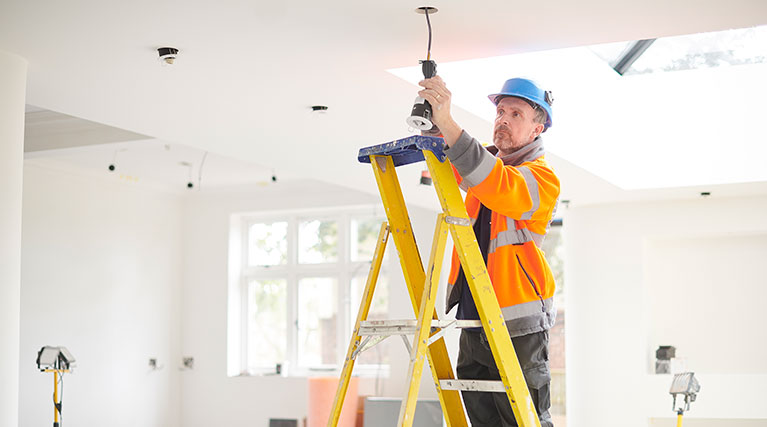

Seamless Charging Ensuring a Smooth EV Charger Installation Process

As you prepare to install an EV charger, you’re likely wondering what it takes to ensure a smooth and hassle-free experience. You’re not alone – a seamless installation process is crucial to getting the most out of your new charger. By understanding what to expect and how to prepare, you can avoid common pitfalls and enjoy a stress-free experience. But where do you start? What specific steps can you take to guarantee a successful installation?

Understanding EV Charger Requirements

As you embark on the journey to seamless charging, it’s essential to grasp the fundamental requirements of EV chargers.

You’ll need to consider the type of electric vehicle (EV) you own, as different models have unique charging needs. Check your vehicle’s manual or manufacturer’s website to determine its charging capacity, which is usually measured in kilowatts (kW). This will help you choose an EV charger that can efficiently charge your vehicle.

You’ll also need to consider the charging speed, which is typically categorized into Level 1, Level 2, and DC Fast Charging.

Level 1 charging uses a standard 120-volt outlet, while Level 2 charging requires a 240-volt outlet. DC Fast Charging is the fastest method, but it requires a high-power DC charger.

Additionally, think about the connector type, as some EVs use a Type 1 (J-plug) connector, while others use a Type 2 (Mennekes) connector.

Choosing the Right EV Charger

What’s the best way to ensure a seamless charging experience?

It starts with choosing the right EV charger for your needs. You’ll want to consider factors like your car’s make and model, your daily driving habits, and your home’s electrical setup.

For instance, if you have a long commute or drive frequently, you’ll need a charger that can replenish your battery quickly. Look for a Level 2 charger, which can charge your car up to 5 times faster than a standard Level 1 charger.

You should also think about the type of plug you need. Will you be charging at home, or do you need a charger that can plug into public stations? Make sure the charger you choose is compatible with your car’s charging port.

Additionally, consider the charger’s power output, cord length, and any additional features you might want, like Wi-Fi connectivity or scheduled charging. By taking these factors into account, you’ll be able to find an EV charger that meets your unique needs and provides a hassle-free charging experience.

Preparing for Installation Day

You’ve chosen the right EV charger for your needs, now it’s time to prepare for installation day.

Before the installation team arrives, make sure you’ve cleared the area around your designated charging station. Remove any clutter, furniture, or obstructions that might hinder the installation process.

Ensure the charger’s power source, whether it’s a dedicated 240-volt outlet or a circuit breaker, is easily accessible.

Confirm the installation team’s arrival time and schedule, and plan to be present during the installation.

You’ll need to provide access to your electrical panel and may need to answer questions about your home’s electrical system. Have your charger’s documentation and any relevant permits or licenses ready for the installation team.

If you have any specific requests or concerns, such as charger placement or cable management, be prepared to discuss them with the installation team.

Ensuring a Safe Installation Process

Most EV charger installations occur without a hitch, but it’s crucial to prioritize safety to avoid potential risks.

As you prepare for the installation, you’ll want to ensure the area around the installation site is clear of any obstructions or tripping hazards.

This includes keeping children and pets at a safe distance to avoid any accidental injuries.

You should also confirm that your installation team is properly trained and equipped to handle the installation.

This includes wearing personal protective equipment (PPE) such as hard hats, safety glasses, and gloves.

Additionally, make sure the team has access to a first aid kit and a fire extinguisher on site.

It’s essential to identify potential electrical hazards, such as exposed wiring or overloaded circuits, and take steps to mitigate them.

You should also ensure that the installation team is aware of any emergency procedures, including the location of shut-off valves and electrical panels.

Post-Installation Testing and Support

Once your EV charger is installed, the installation team will perform a series of tests to ensure it’s functioning correctly and safely.

They’ll check the electrical connections, verify the charger’s communication with your vehicle, and test the charging process from start to finish. This ensures you can charge your vehicle efficiently and without any issues.

After the tests are complete, you’ll receive a comprehensive demonstration of how to use your new EV charger.

The installation team will walk you through the operating instructions, show you how to monitor the charging process, and answer any questions you may have. This hands-on training will give you the confidence to charge your vehicle like a pro.

In addition to the on-site support, you’ll also have access to ongoing technical assistance and maintenance services.

This means if you encounter any issues or have questions down the line, you can rely on the installation team for prompt and expert support. With post-installation testing and support, you can rest assured that your EV charger installation services will provide you with a seamless and hassle-free charging experience.

Conclusion

You’ve successfully navigated the EV charger installation process, and now you’re ready to enjoy seamless charging. With your new charger up and running, you can rest assured that you’ve taken the right steps to ensure a hassle-free experience. By understanding your EV’s requirements, choosing the right charger, and following the installation process, you’ve set yourself up for years of convenient and efficient charging.

The Importance of Regular AC Maintenance in San Antonio s Hot Climate

As you go about your daily routine in San Antonio, you probably don’t think twice about your air conditioner – that is, until it breaks down on a sweltering summer day. But by then, it’s already too late. The truth is, neglecting regular AC maintenance can lead to a host of problems, from skyrocketing energy bills to compromised indoor air quality. By taking proactive steps to maintain your AC unit, you can avoid these issues and create a comfortable, healthy living space. So, what exactly does regular maintenance entail, and how can it benefit you in the long run?

Preventing AC Breakdowns and Repairs

When it comes to preventing AC breakdowns and repairs, taking proactive steps can save you a lot of time, money, and frustration in the long run.

You can avoid the hassle of dealing with a malfunctioning AC unit on a sweltering summer day by staying on top of routine maintenance.

Make sure to change your air filters regularly, as dirty filters can increase your energy bills and reduce airflow.

You should also inspect your thermostat to ensure it’s working correctly and adjust the settings to optimize performance.

Additionally, don’t neglect to clean your condenser coils, which can become clogged with dirt and debris over time.

By doing so, you’ll improve airflow and reduce the risk of overheating.

It’s also essential to schedule annual tune-ups with a professional to identify potential issues before they become major problems.

Reducing Energy Consumption Costs

Your AC unit’s energy consumption costs can add up quickly, especially during the hot summer months.

In San Antonio’s hot climate, it’s essential to keep your AC running efficiently to avoid skyrocketing energy bills. Regular maintenance is key to reducing energy consumption costs.

By ensuring your AC is properly maintained, you can prevent energy waste and optimize its performance. A well-maintained AC unit consumes less energy, which translates to lower utility bills.

Additionally, a clean AC filter and coil can improve your unit’s efficiency by up to 15%. Regular tune-ups can also identify potential issues before they cause energy-wasting malfunctions.

Furthermore, a professional technician can provide personalized recommendations for optimizing your AC’s energy consumption based on your specific system and usage patterns. By investing in regular maintenance, you’ll be able to enjoy the comfort of a cool home while keeping your energy costs under control.

Improving Indoor Air Quality

As you enjoy the comfort of your air-conditioned home, it’s easy to overlook the importance of indoor air quality.

However, regular AC maintenance plays a significant role in ensuring the air you breathe is clean and healthy.

When your HVAC San Antonio unit isn’t properly maintained, it can harbor mold, dust, and other allergens that can exacerbate respiratory issues like asthma.

In San Antonio’s hot climate, where AC units work overtime, the risk of poor indoor air quality increases.

Prolonging AC Unit Lifespan

Boosting your AC unit’s lifespan requires proactive maintenance strategies to prevent premature wear and tear.

You can’t just install an AC unit and expect it to run smoothly for years without regular maintenance. Neglecting routine maintenance tasks can lead to costly repairs, reduced efficiency, and even complete system failure.

By prioritizing maintenance, you’ll be able to identify and address potential issues before they become major problems.

You should also keep your AC unit clean to prevent dirt and debris from building up and causing damage.

Regularly clean or replace air filters, and ensure proper drainage to prevent water damage. Additionally, schedule annual tune-ups with a licensed technician to inspect and adjust your AC unit’s components.

This will help identify worn-out parts, lubricate moving parts, and ensure your unit is running at optimal levels.

Enhancing Overall System Efficiency

Every degree of wasted cooling capacity translates to increased energy bills and reduced system lifespan. In San Antonio’s scorching climate, it’s crucial to optimize your AC’s performance to avoid these consequences.

Regular maintenance helps you achieve this by identifying and addressing issues that hinder efficiency.

You’ll notice significant improvements in your system’s performance after a thorough tune-up. A well-maintained AC consumes less energy, which leads to lower utility bills.

Moreover, it reduces the likelihood of breakdowns, saving you from costly repairs and replacements. During maintenance, your technician will inspect and clean critical components, such as air filters and coils, to ensure they’re functioning at their best.

They’ll also check refrigerant levels, inspect ductwork, and make adjustments to optimize airflow. By maintaining your AC regularly, you’ll enjoy a cooler, more comfortable home while keeping energy expenses under control.

Conclusion

By staying on top of regular AC maintenance, you’ll avoid the hassle and expense of unexpected breakdowns and repairs. You’ll also save money on your energy bills, breathe easier with improved indoor air quality, and get the most out of your AC unit’s lifespan. In San Antonio’s scorching climate, it’s crucial to prioritize maintenance to ensure a comfortable, healthy, and cost-effective living space.

From Boardroom to Breakout Conference Tables for Every Setting

As you navigate the world of conference tables, you’ll find that each setting comes with its unique requirements and challenges. Whether you’re looking to make a statement in a traditional boardroom, foster collaboration in a modern co-working space, or create a productive breakout area, the right table can make all the difference. But what about your home office, where space is limited and versatility is key? You’re about to discover how different conference tables can transform each of these settings into a hub of creativity and innovation – but first, let’s explore the diverse needs of each environment. Wood Conference Tables.

Traditional Boardroom Tables

Traditional Boardroom Tables often feature a large, rectangular shape that dominates the room, typically seating 8-12 people.

You’ll often find them in corporate offices, law firms, and other professional settings where formal meetings are the norm. The sturdy, high-quality construction of these tables exudes confidence and authority, making them perfect for high-stakes negotiations or presentations.

When you sit at a traditional boardroom table, you’ll notice the comfortable, cushioned chairs spaced evenly around the perimeter.

This setup encourages open discussion and collaboration, allowing everyone to face each other directly. You might also find amenities like built-in power outlets, USB ports, and data ports to support your devices.

The classic design and premium materials of traditional boardroom tables make them a staple in many industries.

They provide a sense of stability and professionalism, making them ideal for formal meetings and important presentations.

Modern Co-Working Space Solutions

Across from the traditional boardroom tables, modern co-working spaces require a different kind of conference table – one that’s adaptable, flexible, and conducive to collaboration.

You need a table that can accommodate diverse work styles, from quiet individual work to dynamic team brainstorming. Look for modular designs that can be easily rearranged or expanded as needed. Power outlets and USB ports should be strategically integrated to keep devices charged and connected.

Consider tables with built-in whiteboards or writable surfaces to facilitate idea-sharing and creativity.

In modern co-working spaces, you’re likely to find a diverse range of professionals, from freelancers to startup teams.

Your conference table should be able to accommodate this variety. Opt for a table that’s visually appealing, with a modern aesthetic that complements the overall co-working environment.

Breakout Area Essentials

In addition to a collaborative conference table, breakout areas require a distinct set of essentials to facilitate effective teamwork and idea generation.

You’ll want to consider the seating, and it’s not just about throwing in a few chairs. Modular, comfortable seating that encourages movement and flexibility is key.

Ottomans or bean bags can add a casual touch, while high-backed chairs can provide a sense of privacy.

Next, think about the technology you’ll need.

A large screen or whiteboard is a must for brainstorming sessions and presentations. Make sure it’s easily accessible and can be connected to laptops or other devices.

You should also have a reliable internet connection and power outlets to keep devices charged.

Don’t forget about acoustic considerations – adding plants, sound-absorbing panels, or using sound-masking devices can help minimize distractions.

Finally, incorporate elements that inspire creativity, such as colorful artwork, motivational quotes, or a vision board.

Home Office Conference Options

You’ve optimized your breakout area for collaboration and creativity, but what about your home office?

As a remote worker or entrepreneur, your home office is likely where you spend most of your work hours. A dedicated conference table can elevate your productivity and professionalism, even in a small space.

When choosing a conference table for your home office, consider the room’s dimensions and your specific needs.

A compact, wall-mounted table or a multi-functional desk with a built-in meeting surface can be an excellent option. Look for tables with built-in cable management systems to keep your workspace organized and clutter-free.

Think about the type of meetings you’ll be having in your home office.

If you’ll be meeting with clients or team members, a table with comfortable seating and ample space for laptops and notes is essential. If you’ll be working solo, a smaller, more minimalist design might suffice.

Whatever your requirements, a well-chosen conference table can help you stay focused and achieve your goals.

Adaptive Table Designs

With the rise of remote work, your home office conference table needs to be as flexible as your schedule.

You might need to switch between solo work, video conferencing, and in-person meetings, making adaptability a top priority. That’s where adaptive table designs come in. These tables can be easily rearranged to accommodate different tasks and group sizes.

For instance, you can opt for a modular table that consists of separate, movable components.

This allows you to create different configurations depending on your needs. If you’re expecting a large group, you can simply add more modules. When working solo, you can remove them to create a more intimate space.

Some adaptive tables also feature adjustable heights, tilting surfaces, or built-in cable management systems to enhance comfort and productivity.

Conclusion

You’ve explored the world of conference tables, from traditional boardroom staples to modern co-working solutions, breakout area essentials, and home office options. Now, it’s time to create your perfect collaboration space. Remember, the right table can spark creativity, foster innovation, and drive productivity. With adaptive designs, you can effortlessly switch between tasks and group sizes. So, choose a table that fits your unique needs and watch your space transform into a hub of collaboration and success.

When Should a Company Consider Liquidation?

As you navigate the complexities of running a business, it’s essential to recognize the signs that indicate it may be time to consider liquidation. You’re likely familiar with the warning signs: unpaid bills piling up, sales targets consistently being missed, and cash flow crunches becoming the norm. The question is, what do you do when you’re faced with these challenges? Do you try to push through, hoping for a turnaround, or do you acknowledge that it might be time to cut your losses and start anew? The answer isn’t always clear-cut, but understanding the circumstances that warrant liquidation can help you make a more informed decision about your company’s future.

Mounting Debts and Liability

Your business is drowning in a sea of unpaid bills, overdue loans, and pending lawsuits, with creditors breathing down your neck.

You’re barely keeping your head above water, but it’s only a matter of time before you’re dragged under. The weight of your debts is crushing, and you’re not sure how much longer you can keep up the charade.

Every day, you’re bombarded with letters, emails, and phone calls from creditors demanding payment. You’re constantly juggling which bills to pay and which to ignore, but it’s a losing battle.

You’re also facing personal liability, as your business’s debts are tied to your personal assets. Your home, car, and savings are all at risk of being seized to pay off your company’s debts.

The stress is taking a toll on your mental and physical health, and you’re not sure how much more you can take. It’s time to consider the unthinkable: liquidation.

Is it possible to turn things around, or is it time to cut your losses and start anew?

Cash Flow Crisis Point

A cash flow crisis point has been reached when your business’s inflow of money is consistently failing to meet its outflow of expenses, leaving you scrambling to make ends meet.

This means you’re constantly juggling bills, delaying payments, and stressing about how to keep your business afloat. You might be relying on credit cards, loans, or even personal savings to bridge the gap, but this temporary fix won’t solve the underlying issue.

As the cash flow crisis deepens, you’ll start to notice other warning signs.

Suppliers might be calling in debts, employees might be worried about their next paycheck, and you might be struggling to maintain inventory or invest in growth opportunities.

If you’re consistently dipping into your own pocket to cover business expenses or sacrificing your own salary to keep the lights on, it’s a clear indication that your business is in trouble.

Don’t ignore these red flags – it’s essential to address the cash flow crisis head-on and consider seeking professional advice before it’s too late.

Declining Sales and Revenue

Slumping sales and revenue figures are a telltale sign that your business is in trouble.

If you’re consistently struggling to meet your sales targets, it’s a clear indication that something’s amiss. You might’ve tried to revamp your marketing strategy, slashed prices, or even changed your product offerings, but if the numbers aren’t budging, it’s time to take a step back and reassess.

You should analyze your operations, identifying areas where you can cut costs or optimize processes to stay afloat.

However, if you’ve already trimmed the fat and still can’t seem to break even, it might be time to consider liquidation. Remember, declining sales and revenue often indicate a deeper issue, such as a shift in the market, increased competition, or a failure to innovate.

Don’t wait until it’s too late; acknowledging the problem early on can give you a better chance of salvaging what’s left of your business.

Take a hard look at your financials and be honest with yourself – are you just prolonging the inevitable, or can you genuinely turn things around?

Unrecoverable Business Losses

As declining sales and revenue force you to reassess your business’s viability, it’s equally important to consider the impact of unrecoverable losses on your firmade likvideerimine ‘s financial health.

These losses can be a significant burden, draining your resources and making it difficult to recover. Unrecoverable losses can include bad debts, inventory write-offs, and investments that have failed to generate returns.

They can also result from unforeseen events like natural disasters or supply chain disruptions.

When you’re dealing with unrecoverable losses, it’s essential to acknowledge their impact on your business’s financial situation.

You may need to adjust your financial projections, reassess your pricing strategy, or explore cost-cutting measures to stay afloat.

Failing to address these losses can lead to further financial strain, making it even more challenging to recover.

Insolvency Warning Signs

Cash flow crunches and dwindling profitability are red flags that your business may be careening toward insolvency.

If you’re struggling to pay bills, loans, or salaries on time, it’s a clear indication that your company is in trouble.

Other warning signs include a high debt-to-equity ratio, constant borrowing to meet operational expenses, and an inability to reduce costs or increase revenue.

You may also notice a decline in sales, a buildup of inventory, or a failure to collect accounts receivable in a timely manner.

Furthermore, if you’re experiencing cash flow difficulties, you might be forced to delay payments to suppliers, which can damage your reputation and relationships with vendors.

Additionally, if you’re relying heavily on short-term loans or factoring, it may be a sign that your business is unsustainable in the long run.

Conclusion

You’ve reached a crossroads where liquidation might be the best option. If you’re drowning in debt, struggling to meet sales targets, or experiencing cash flow crunches, it’s time to reassess your financial projections. Don’t ignore the warning signs – mounting debts, cash flow crisis points, declining sales, unrecoverable losses, and insolvency signals. By acknowledging these red flags, you can cut your losses and start anew, rather than risking further financial strain.

Why Experience Matters When Selecting a Construction Company

When you’re searching for a construction company to bring your vision to life, you’re not just looking for someone to get the job done – you’re looking for a partner who can navigate the complexities of the project and deliver results. That’s where experience comes in. A seasoned construction company can make all the difference in avoiding costly delays, ensuring quality control, and mitigating risk. But what exactly does experience entail, and how can you be sure you’re getting a company that truly knows its stuff?

Avoiding Costly Project Delays

When you’re investing in a construction project, every day counts, and delays can be devastating to your bottom line.

You can’t afford to have your project stuck in neutral, racking up unnecessary costs and lost revenue. That’s why it’s crucial to work with a construction company that knows how to keep your project on track.

You need a company with a proven track record of completing projects on time and within budget.

They should have a team of experienced professionals who can anticipate and mitigate potential roadblocks before they become major issues.

They should also have a solid plan in place for managing and coordinating subcontractors, ensuring that everyone is working together seamlessly.

Ensuring Quality Control Measures

Most construction projects involve multiple stakeholders, vendors, and moving parts, making it easy for quality control to fall by the wayside.

You need a construction company that prioritizes quality control measures to ensure your project meets the desired standards.

When evaluating a construction company, look for established quality control processes and procedures. Ask about their quality assurance protocols, including regular inspections and testing.

Find out who’s responsible for ensuring quality control and how they handle defects or errors.

You should also inquire about their experience with quality control in projects similar to yours.

A reputable construction company will be transparent about their quality control measures and provide references or case studies to support their claims.

By prioritizing quality control, you can avoid costly rework, delays, and even safety risks.

Navigating Complex Project Challenges

Beyond ensuring quality control measures, you’ll want a construction company that can navigate complex project challenges.

You’ve invested too much time and resources to have your project derailed by unexpected issues. A seasoned construction company will anticipate potential roadblocks and develop strategies to overcome them.

They’ll have a deep understanding of local regulations, permitting processes, and environmental factors that can impact your project.

When unexpected challenges arise, an experienced construction company will adapt quickly, minimizing delays and cost overruns.

They’ll work closely with you to identify creative solutions that meet your project goals and budget. Their project managers will coordinate with architects, engineers, and subcontractors to ensure seamless communication and collaboration.

Mitigating Risk and Liability

Constructing a project comes with inherent risks, and you need a construction company that can effectively mitigate them.

One misstep can lead to costly delays, budget overruns, or even safety hazards. An experienced construction company knows how to identify potential risks and develop strategies to minimize them.

They’ll work with you to create a comprehensive risk management plan, ensuring that everyone involved is on the same page.

When evaluating a construction company, look for their risk management procedures and protocols.

Do they’ve a dedicated team for risk assessment and mitigation? Do they’ve a proven track record of managing complex projects with minimal incidents?

You want a company that can anticipate and respond to potential risks, rather than simply reacting to them.

Building Trust and Credibility

Building Trust and Credibility

Nearly every successful construction project hinges on one crucial element: trust. You need to trust that your construction company will deliver a quality project on time and within budget.

Without trust, even the smallest issues can escalate into major problems. When you’re considering a construction company, you should assess their credibility and trustworthiness.

You can start by checking their reputation online, asking for references, and reviewing their portfolio.

Look for consistency in their work, and pay attention to how they communicate with you. Do they respond promptly to your queries? Are they transparent about their processes and timelines?

A reputable RISTRUTTURAZIONI CIVITANOVA MARCHE will be proud to share their credentials and showcase their expertise.

You should also evaluate their experience and certifications. Are they licensed and insured? Do they’ve the necessary expertise for your specific project?

Conclusion

As you weigh your options, remember that experience is key to a successful construction project. You want a partner that can anticipate and overcome obstacles, ensuring your project stays on track. With an experienced construction company, you’ll avoid costly delays, ensure quality control, navigate complex challenges, mitigate risk and liability, and build trust and credibility. By choosing a seasoned pro, you’ll get your project done right, on time, and within budget.