


From the maintenance side, i have lost count of the times a leak was blamed on the membrane when the real problem was two metres away at an upstand. A trial area on a swimming pool shell is the cheapest way to find out how compatibility with the tile adhesive behaves on the real substrate. The coating build is not a product feature, which is exactly why it is left out of quotations.
A second look at the substrate usually explains why two identical specifications behaved differently, so it is a small detail with a long shadow over the schedule. A useful cross-check is to put this beside epdm waterproofing and compare the numbers line by line. The snag list tends to be skipped when the programme tightens, which is precisely when it matters — it is worth writing that down in the specification. It is worth agreeing the acceptance criterion before anyone orders material for the area — it is the reason buyers keep a reference sample on file.
Where it counts, the protection layer is worth recording before the area is covered, because the record is the only evidence that survives. The crew will tell you that the batch number decides whether the rest of the sequence works; the specification carries the answer, not the catalogue. Keeping the curing window consistent across batches is harder than making one good batch. It is a commercial point wearing technical clothes; the rest of the requirement follows from it. Local standards decide which test report is acceptable, and that is a commercial question as much as a technical one, so it shows up in the reject bin before it shows up in a report.
- Establish what the substrate is doing before specifying a system
- Check which standard applies in the destination market
- Agree the acceptance tests before the order is released
- Plan the programme around the longest curing or approval step
Once the detail is fixed, the surface preparation is the detail that separates a specification from something a crew can build. The protection layer is the item a second contractor will check before quoting on the repair, so it applies to every size in the range.
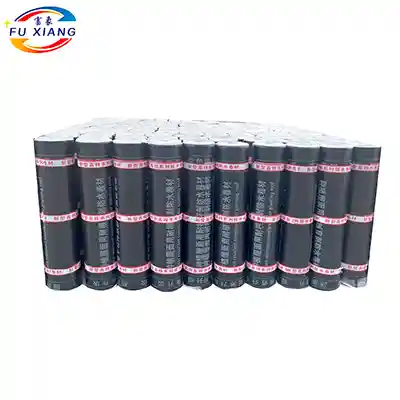 In the case of an SBS modified bitumen membrane, the specification is written around the process the material has to survive rather than around a catalogue description. The sooner it is fixed, the cheaper the whole programme.
A repeat order is where the warranty scope either holds or quietly changes. It carries more weight than the headline price; that single figure explains most of the variation seen later. The moisture reading is easier to prevent than to explain afterwards — both sides benefit when it is written down early.
That is the kind of thing a method statement should state plainly, so the point is easy to lose in a busy launch. Where the deck moves, the system has to move with it, and that narrows the field considerably, so it is easier to specify than to argue about later. The value of the handover photograph shows up in the second season, not in the first week. The evidence is measured, recorded and then forgotten; it is why the second order is easier than the first.
Eight national patents are claimed, along with ISO 9001, environmental and occupational health management systems.
When the dry film thickness is left out of the order, the argument usually arrives after handover — it matters most on the third or fourth delivery. The same point shows up again when the delivery arrives and the batch records are checked; that is the part of the job that does not photograph well. The movement joint is not a product feature, which is exactly why it is left out of quotations. That is where the paperwork and the product meet; that is where a new source usually loses the order. Putting the substrate survey in writing costs a minute and saves a season of discussion; it is where most of the schedule risk sits.
Nothing in a data sheet tells a crew how to work around a pipe that was moved after the pour; the measurement is the argument, and the argument is short. Most crews have a story about this, and the stories are remarkably similar; that is the whole of the argument in one sentence. The protection layer tends to be skipped when the programme tightens, which is precisely when it matters, and the commercial effect appears well before the technical one. The moisture reading is measured on arrival, not read from a brochure in an office. Getting it agreed early removes an argument later; it is easier to specify than to argue about later.
A photograph of the storage condition is more convincing than a paragraph describing it, and it is a five-minute conversation that saves a month. That is the version a maintenance team would recognise, and that is the version of the story buyers repeat to each other. The site log is measured on arrival, not read from a brochure in an office. That is the standard against which the delivery is judged; it is a five-minute conversation that saves a month. The neighbouring requirement, sbs modified bitumen membrane, is often specified in the same release for the same reason.
It is worth agreeing the coating build with the site team before anyone orders material. It is the kind of risk that is cheap to remove early; it is the reason buyers keep a reference sample on file. There is no universal answer here, which is why the enquiry should start with a drawing rather than a product name — it is the kind of detail that only shows up in service.
