


A home should feel like a safe place to unwind, respire well, and workaday life. Yet sometimes, hidden problems interior a building can quietly affect that sense of soothe. Mold growing behind a wall or asbestos-containing stuff psychoneurotic during renovations can make concerns that should never be taken thinly.
For prop owners in Qu bec, sympathy amiante et moisissure Qu bec is an fundamental part of maintaining a fitter interior environment. Although asbestos and mold are entirely different hazards, both want serious judgment and troubled handling. The right approach is not about rush into remotion it is about characteristic the problem, controlling the risk, and making sure the strained space is right restored.
Why Indoor Air Quality Matters
We pass a significant amount of time indoors, whether at home, at work, or in other buildings. Poor indoor conditions can make a space feel irritating and may put up to concerns such as unhappy odors, pique, or respiratory discomfort.
Mold and asbestos want particular care because they can be hidden from view.
Mold Can Hide in Unexpected Places
Mold needs wet to grow. A moderate plumbing system leak, flooding event, problem, or badly aired room can produce the conditions Extraction amiante et moisisure quebec needs.
It may develop:
- Behind drywall
- Under flooring
- Around windows
- Inside damp basements
- Around leaking pipes
- Behind cabinets
- Near warming and ventilation systems
A stale smell, in sight discoloration, recurring moistness, or irrigate stains can all be reasons to investigate further.
Asbestos May Be Hidden in Older Materials
Asbestos was used extensively in many older twist products because of its enduringness and underground to heat. Depending on the building’s age and renovation history, asbestos-containing materials may be submit in insulating material, floor products, materials, pipe coverings, or other components.
The noteworthy direct is that asbestos cannot be confirmed simply by visual aspect. If an old material is suspected, professional judgment and appropriate testing may be necessary before it is psychoneurotic.
Step 1: Identify the Source of the Problem
Before removing anything, what is causation the relate.
For mold, this means looking for the wet seed. Is there a leaking pipe? Poor ventilating system? Water ingress through the initiation? A roof leak? Persistent condensation?
Removing mold without addressing the moisture problem is like wiping irrigate from the ball over while going the spigot track. The trouble may simply bring back.
For suspected asbestos, the first step is determinant whether asbestos is actually submit and whether the stuff is likely to be maladjusted.
Step 2: Arrange a Professional Assessment
Professional evaluation can cater a clearer envision of the state of affairs.
Assessing Mold Contamination
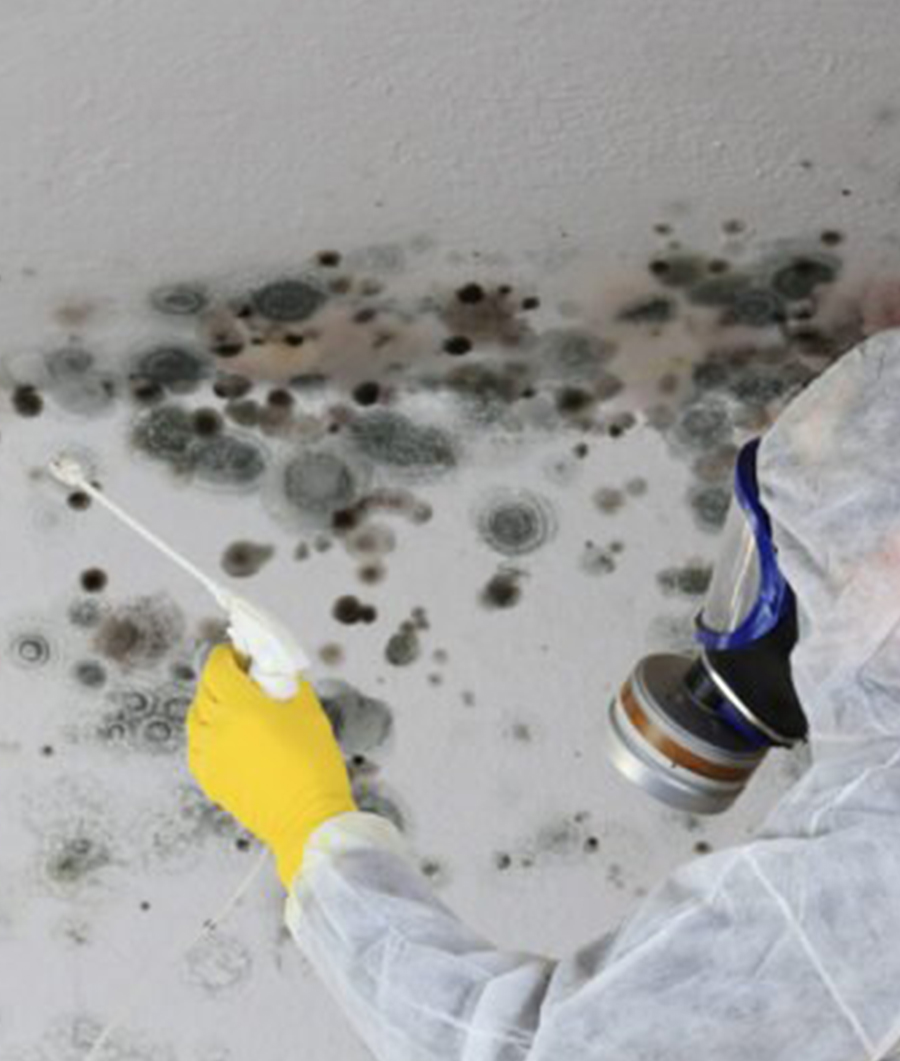
A competent professional person can inspect areas where wet or mold increment may be submit. The judgment can help how the taint is and whether concealed areas need attention.
Not every dark stain is mold, and not every mold pertain requires the same remedy strategy. Understanding the specific situation helps avoid uncalled-for work while ensuring TRUE problems are addressed.
Assessing Suspected Asbestos
When asbestos may be submit, disturbing the stuff before it has been decent assessed can produce unneeded risk. Sampling, when appropriate, should be handled using appropriate procedures.
If asbestos is unchangeable, the removal or scheme should be premeditated according to the stuff and circumstances.
Step 3: Contain the Affected Area
Containment is an earthshaking part of causative hazard management.
With mold, containment can help prevent spores and contaminated dust from spread to clean areas during remedy.
For asbestos-related work, technical procedures and tender measures may be necessary to prevent fibers from becoming mobile and moving beyond the work zone.
The objective lens is simple: keep the trouble from becoming a bigger trouble.
Step 4: Remove Contaminated Materials Safely
Once the situation has been assessed and the area decently prepared, removal can begin using appropriate methods.
Mold Removal
The appropriate handling depends on the extent and position of the increment. Porous materials that have been to a great extent polluted or disreputable by moisture may need to be distant, while other surfaces may be subject of being cleaned and restored.
Simply picture over mold is not a trustworthy root. The subjacent contamination and moisture problem still need to be addressed.
Asbestos Removal
Asbestos remotion requires particular care because distressful asbestos-containing materials can unblock fibers into the air. Specialized equipment, caring procedures, , and proper waste handling may be requisite.
This is one area where attempting a DIY root can produce considerably more risk than expected.
Step 5: Clean and Restore the Space
Removal is only one part of the process. After polluted materials have been dealt with, the area should be cleansed fittingly and inspected as necessary.
For mold problems, drying the building and correcting moisture issues are especially operative. Restoration may need replacing damaged drywall, floor, insulation, or other building components.
For asbestos-related work, the appropriate post-removal cleansing and check procedures calculate on the envision and relevant requirements.
Preventing Future Problems
A better interior is not created only through remedy. Prevention matters too.
Keep Moisture Under Control
Fix leaks promptly and look into undetermined water stains. Make sure bathrooms, kitchens, basements, and other wet-prone areas have appropriate ventilation system.
Think Before You Renovate
If you own an older prop, consider the possibility of asbestos before demolition or John R. Major refurbishment. Drilling, sanding, cutting, or removing old construction materials without wise to what they contain can produce avoidable hazards.
Pay Attention to Warning Signs
A persistent mouldy smell up, undetermined moisture, discredited edifice materials, or uncommon dust during restoration should not simply be ignored. Early probe can often keep a more complex trouble later.
A Healthier Environment Starts With the Right Approach
Mold and asbestos can voice daunting, but taking hip to process can make the state of affairs much more dirigible. The most profound step is to avoid troubling suspected wild materials unnecessarily and seek appropriate professional person judgement.
Extraction amiante et moisissure Qu bec is in the end about more than removing unwanted materials. It is about creating a safer, cleaner, and more wide interior environment through troubled judgement, proper containment, causative removal, and thorough Restoration.
Whether you are preparing for a restoration or dealing with unexpected water , do not wait until a moderate bear on becomes a Major cephalalgia. Identify the trouble, address the source, and choose a careful approach to redress. A healthier interior begins with knowing what is hiding behind the walls and wise how to deal with it safely.
