


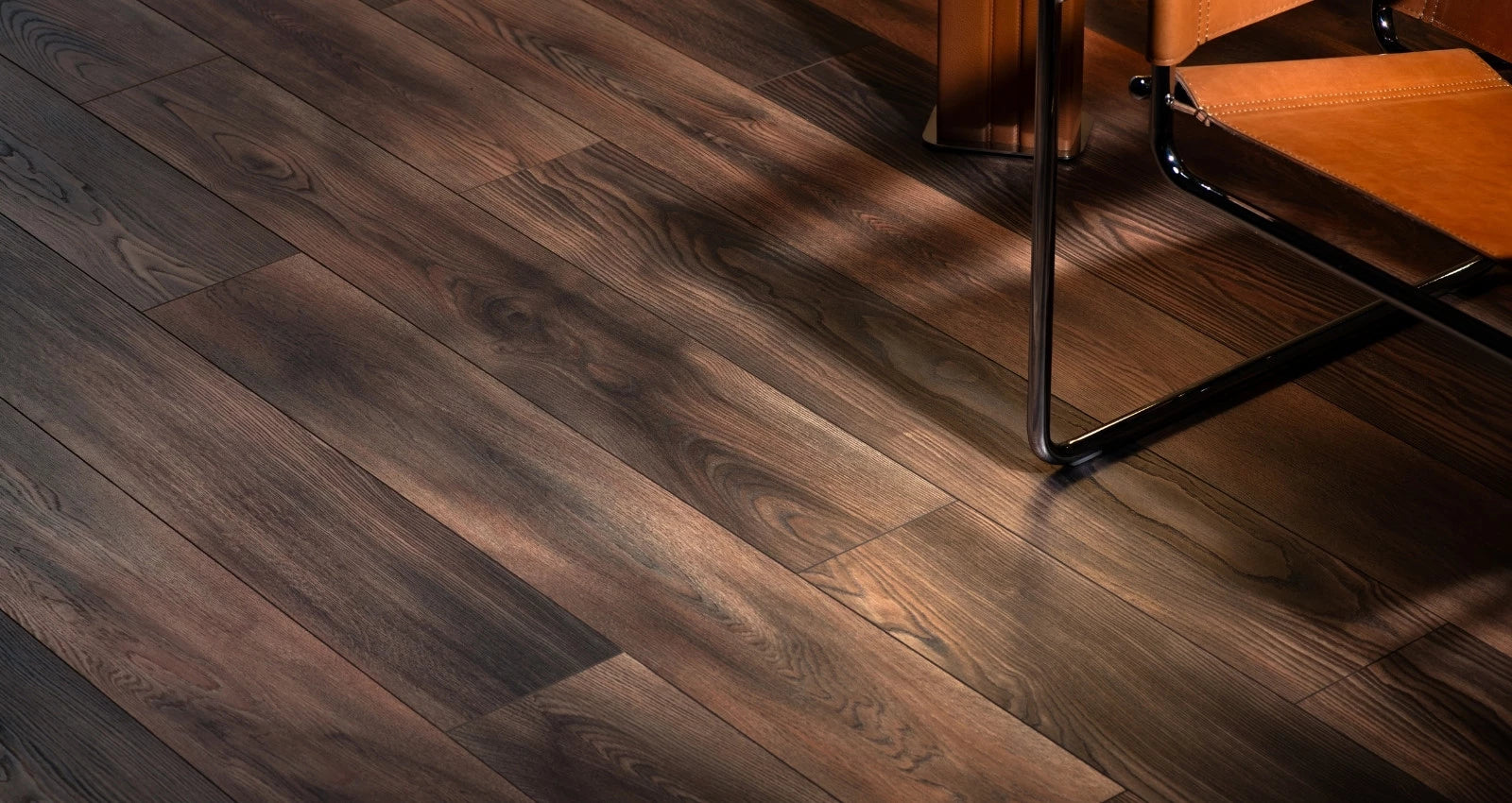
Wood flooring has long been a symbol of warmth, luxury, and timeless appeal in homes and commercial spaces. Whether used in modern interiors or classic settings, it adds a natural charm that few other materials can match. From its aesthetic versatility to its durability and environmental benefits, wood flooring continues to be a top choice for homeowners and designers alike. In this guide, we explore everything you need to know about wood flooring—its types, benefits, installation, maintenance, and design ideas.
What Is Wood Flooring?
Wood flooring refers to any flooring material made from timber, designed to be installed as a surface covering. It can be crafted from solid wood or engineered wood, each offering different characteristics and performance levels. Unlike synthetic flooring materials, wood flooring is natural, renewable, and unique in appearance, with each plank showcasing its own grain pattern and texture.
Types of Wood Flooring
There are several types of wood flooring, each with its own advantages and ideal applications.
1. Solid Wood Flooring
Solid wood flooring is made from a single piece of hardwood, such as oak, maple, or walnut. It is known for its durability and ability to be sanded and refinished multiple times.
Pros:
- Long lifespan (can last decades)
- Can be refinished multiple times
- Adds value to a property
Cons:
- Sensitive to moisture and temperature changes
- More expensive than other options
2. Engineered Wood Flooring
Engineered wood consists of a top layer of real wood bonded to multiple layers of plywood or high-density fiberboard. This structure enhances stability.
Pros:
- More resistant to moisture and humidity
- Easier installation (often click-lock systems)
- Suitable for basements and kitchens
Cons:
- Limited refinishing capability
- Slightly less durable than solid wood
3. Laminate Wood Flooring
Laminate is not real wood but a synthetic product designed to mimic wood appearance. It has a photographic layer that resembles wood grain.
Pros:
- Affordable
- Scratch and wear-resistant
- Easy to install and maintain
Cons:
- Cannot be refinished
- Less natural look and feel
Benefits of Wood Flooring
Wood flooring offers numerous advantages that make it a popular choice for residential and commercial spaces.
1. Aesthetic Appeal
Wood flooring enhances the visual appeal of any space. Its natural grains, textures, and colors create a warm and inviting atmosphere. Whether you prefer a rustic look or a sleek modern finish, wood flooring can adapt to your style.
2. Durability and Longevity
High-quality wood flooring can last for decades if properly maintained. Unlike carpet or vinyl, it does not wear out quickly and can be restored through refinishing.
3. Increased Property Value
Homes with wood flooring often have higher resale value. Buyers are generally willing to pay more for homes with elegant and durable flooring.
4. Easy Maintenance
Wood floors are relatively easy to clean. Regular sweeping and occasional mopping are usually enough to keep them in excellent condition.
5. Eco-Friendly Option
Wood is a renewable resource, especially when sourced from responsibly managed forests. It also has a lower environmental impact compared to synthetic flooring materials.
Choosing the Right Wood Flooring
Selecting the right parquet bois massif toulouse depends on several factors, including budget, location, and usage.
1. Consider the Room
- Living rooms and bedrooms: Solid or engineered wood works well.
- Kitchens and bathrooms: Engineered wood is better due to moisture resistance.
- Basements: Engineered or laminate flooring is recommended.
2. Wood Species
Different types of wood offer varying levels of hardness and appearance:
- Oak: Durable and widely used
- Maple: Hard and smooth
- Walnut: Dark and elegant
- Cherry: Rich color that deepens over time
2. Engineered Wood Flooring
0 Wood flooring comes in a variety of finishes:
- Matte
- Glossy
- Satin
Color options range from light oak to deep mahogany, allowing customization based on interior design.
Installation of Wood Flooring
Proper installation is key to ensuring the longevity and performance of wood flooring. There are several methods:
2. Engineered Wood Flooring
1 Used mainly for solid hardwood, this method involves nailing the planks to a wooden subfloor.
2. Engineered Wood Flooring
2 Adhesive is used to secure the flooring, commonly used for engineered wood.
2. Engineered Wood Flooring
3 The flooring is not attached to the subfloor but instead “floats” over it, using interlocking planks. This is popular for laminate and engineered wood.
Maintenance Tips for Wood Flooring
Maintaining wood flooring is essential to preserve its beauty and durability.
2. Engineered Wood Flooring
4 Sweep or vacuum regularly to remove dust and dirt.
- Use a damp (not wet) mop for cleaning.
2. Engineered Wood Flooring
5 Excess moisture can damage wood flooring. Clean spills immediately and avoid using excessive water.
2. Engineered Wood Flooring
6 Place felt pads under furniture legs to prevent scratches.
2. Engineered Wood Flooring
7 Over time, wood flooring may lose its shine. Refinishing can restore its original appearance.
Design Ideas for Wood Flooring
Wood flooring offers endless design possibilities.
2. Engineered Wood Flooring
8 A stylish and classic design where planks are arranged in a zigzag pattern.
2. Engineered Wood Flooring
9 Wide planks create a modern and spacious look.
3. Laminate Wood Flooring
0 Using different shades of wood adds depth and character to a room.
3. Laminate Wood Flooring
1 Distressed wood flooring gives a vintage and cozy feel.
Common Issues with Wood Flooring
Despite its many benefits, wood flooring can face some challenges:
- Scratches and dents: Can occur from heavy furniture or sharp objects.
- Moisture damage: Leads to warping or swelling.
- Fading: Sunlight exposure may cause discoloration over time.
Proper care and preventive measures can minimize these issues.
Cost of Wood Flooring
The cost of wood flooring varies depending on material, quality, and installation.
- Solid hardwood: More expensive, but long-lasting
- Engineered wood: Mid-range pricing
- Laminate: Budget-friendly option
Additional costs include installation, maintenance, and refinishing.
Final Thoughts
Wood flooring remains one of the most desirable flooring options due to its elegance, durability, and versatility. Whether you are renovating your home or designing a new space, wood flooring can transform interiors into warm, inviting environments. By choosing the right type, maintaining it properly, and exploring creative designs, you can enjoy the timeless beauty of wood flooring for years to come.
If you are looking for a flooring solution that combines natural beauty with long-term value, wood flooring is undoubtedly an excellent investment.
