


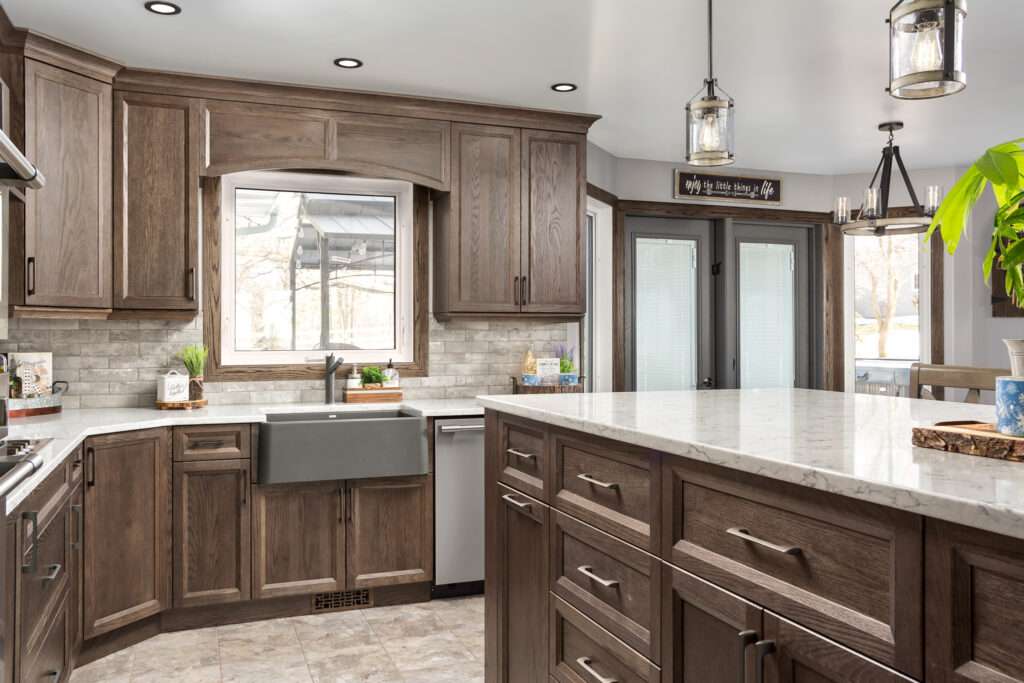
Custom cabinets are more than just storage—they are a long-term investment that shapes the style, durability, and value of your home. Whether you’re designing cabinets for a kitchen, bathroom, or office space, choosing the right wood plays a crucial role in how your cabinets will look and perform over time. With so many wood options available, making the right decision can feel overwhelming. This complete guide will help you understand how to choose the perfect wood for your custom cabinets with confidence.
Why the Type of Wood Matters
The type of wood you choose affects three major things: appearance, durability, and cost. Some woods provide a luxurious, high-end look, while others are more budget-friendly yet still attractive. Certain woods resist moisture better, which is essential for kitchens and bathrooms.
Beyond looks, wood also influences how your cabinets age. High-quality hardwood can last decades, while softer materials may show dents and wear sooner. Understanding these differences helps ensure you select wood that matches your lifestyle, budget, and design goals.
Key Factors to Consider When Choosing Cabinet Wood
Before deciding on a specific wood species, it’s important to evaluate a few practical factors.
1. Durability and Strength
Cabinets experience daily use—opening, closing, holding weight, and exposure to heat or humidity. Hardwoods like oak, maple, and hickory are known for their strength and resistance to damage. These woods are excellent choices for busy households where wood for cabinets need to handle frequent use.
Softer woods like pine can still work well but may show dents and scratches more easily.
2. Wood Grain and Appearance
Every wood type has its own natural grain pattern, which affects the cabinet’s visual appeal.
-
Straight grain creates a clean and modern look.
-
Prominent grain patterns add character and texture.
-
Smooth grain works well with painted finishes.
The grain pattern becomes a major design feature, especially for natural or stained cabinets.
3. Color and Finish Compatibility
Different woods absorb stains and finishes differently. Some woods darken beautifully with stain, while others are better suited for paint.
If you want natural wood cabinets, choose woods with attractive grain and color variations. If you prefer painted cabinets, smoother woods such as maple provide a more even finish.
4. Budget
Wood prices can vary significantly. Exotic or premium hardwoods tend to cost more, while domestic woods are usually more affordable. Setting a clear budget before selecting materials will help narrow down your choices.
Popular Wood Types for Custom Cabinets
Understanding the characteristics of common cabinet woods can make the selection process much easier.
Oak
Oak is one of the most traditional cabinet woods. It is extremely durable and features a strong, visible grain pattern that gives cabinets a warm and classic look. Oak cabinets are well-known for their strength and long lifespan.
Maple
Maple is a favorite choice for modern kitchens. It has a smooth, subtle grain that works beautifully with both stains and paint. Maple is also highly durable, making it ideal for families who want cabinets that look elegant and withstand everyday use.
Cherry
Cherry wood offers a rich, luxurious appearance. Over time, it naturally darkens and develops deeper color tones, adding sophistication to any space. Although slightly more expensive, cherry cabinets are prized for their refined aesthetic.
Hickory
Hickory is one of the hardest domestic woods available. Its bold grain patterns and color variations give cabinets a rustic and distinctive style. Hickory works particularly well in farmhouse or country-style kitchens.
Pine
Pine is a softer wood but still popular for its warm, casual charm. It is commonly used in rustic or cottage-style homes. Because pine is softer, it can develop a weathered appearance over time, which some homeowners find appealing.
Solid Wood vs. Engineered Wood
Another important decision when designing custom cabinets is choosing between solid wood and engineered wood materials.
Solid Wood
Solid wood cabinets are made entirely from natural lumber. They are highly durable, repairable, and often considered the most premium option.
However, solid wood can expand or contract slightly with humidity changes.
Engineered Wood
Engineered wood includes materials like plywood or medium-density fiberboard. These materials are often used for cabinet interiors or structural components because they resist warping and are more cost-effective.
Many high-quality cabinets actually combine solid wood doors with engineered wood cabinet boxes to achieve the best balance of durability and affordability.
Matching Wood to Your Interior Style
Choosing the right wood also depends on the overall style of your home.
-
Modern kitchens often use maple or smooth-grain woods.
-
Traditional spaces pair beautifully with oak or cherry.
-
Rustic designs shine with hickory or pine.
-
Luxury kitchens frequently feature rich woods like cherry.
Selecting wood that complements your home’s design will help your cabinets blend naturally with the space.
Tips for Making the Best Decision
Here are a few practical tips to help you choose wisely:
-
Always request wood samples before making a final decision.
-
Consider lighting conditions, as wood color can change under different lights.
-
Think about long-term maintenance and durability.
-
Work with experienced cabinet makers who understand wood behavior.
A thoughtful selection process ensures your cabinets will look beautiful and perform well for years.
Final Thoughts
Choosing the perfect wood for custom cabinets is a balance between style, durability, and budget. By understanding wood characteristics, grain patterns, and performance differences, you can confidently select a material that fits both your design vision and daily needs.
The right wood transforms cabinets from simple storage units into stunning design features that enhance the entire room. With careful planning and the right choice of materials, your custom cabinets can remain timeless, functional, and visually striking for decades.
