


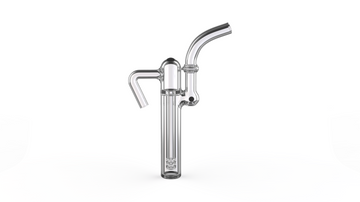
Dry herb vaporizers use different heating technologies to release the active compounds and aromatic oils from herbs. The heating system is one of the most important features of any vaporizer because it directly affects vapor quality, flavor, efficiency, and overall user experience. The three most common heating systems found in modern vaporizers are conduction, convection, and hybrid heating. Each method works differently and offers its own advantages.
1. Conduction Heating
Conduction heating is one of the most widely used systems in portable dry herb vaporizers. In this method, the herbs are heated through direct contact with a heated surface, usually the walls or base of the vaporizer chamber.
When the device heats up, the chamber transfers heat directly to the herbs touching its surface. As the herbs warm up, the active compounds inside the plant material turn into vapor that can be inhaled.
Advantages of Conduction Vaporizers
-
Fast heat‑up time: Many conduction vaporizers reach the desired temperature quickly, often in less than 30 seconds.
-
Compact design: Because the heating system is simple, these vaporizers are often small and portable.
-
Affordability: Conduction devices are usually less expensive compared to other heating technologies.
-
Efficient battery use: They generally consume less power, making them suitable for portable use.
Disadvantages
-
Uneven heating: Herbs touching the hot surface may heat faster than those in the center of the chamber.
-
Possible overheating: Some areas may become too hot if the herbs are not stirred occasionally.
-
Flavor may decline faster: Because the chamber stays hot throughout the session, the herbs may continue cooking between draws.
Conduction vaporizers are ideal for users who prefer quick sessions, simple operation, and portability.
2. Convection Heating
Convection heating uses a different approach. Instead of heating the herbs through contact with a hot surface, the vaporizer passes heated air through the herb chamber. The moving hot air warms the herbs evenly and extracts the active compounds.
As the hot air flows through the plant material, it releases vapor that travels through the device to the mouthpiece.
Advantages of Convection Vaporizers
-
Even heating: Hot air circulates around the herbs, reducing hot spots and uneven extraction.
-
Better flavor: Because the herbs do not sit directly on a hot surface, delicate flavor compounds are better preserved.
-
Efficient herb usage: The airflow helps extract active compounds more thoroughly.
-
Less cooking between draws: Herbs are heated mainly when the user inhales rather than constantly.
Disadvantages
-
Longer heat‑up time: Convection vaporizers may take slightly longer to reach the desired temperature.
-
Higher cost: These devices are often more expensive due to more complex heating technology.
-
Larger size: Some convection vaporizers require more internal space for airflow systems.
Convection vaporizers are popular among users who value smooth vapor, rich flavor, and efficient extraction.
3. Hybrid Heating
Hybrid vaporizers combine both conduction and convection heating methods. In these devices, the chamber heats the herbs directly while hot air also flows through the material.
This combination allows hybrid vaporizers to balance the strengths of both systems.
Advantages of Hybrid Vaporizers
-
Balanced performance: Hybrid systems provide fast heat‑up times along with improved vapor quality.
-
Better flavor and vapor density: The combination of heating methods can produce consistent vapor production.
-
More even heating: Airflow helps distribute heat more evenly than conduction alone.
Disadvantages
-
More complex design: Hybrid vaporizers may include additional components that increase complexity.
-
Higher price range: Advanced heating systems can make these devices more expensive.
Hybrid vaporizers are often chosen by users who want a balance between flavor, efficiency, and convenience.
Conclusion
Dry vape bong rely on three primary heating systems: conduction, convection, and hybrid heating. Conduction vaporizers are known for their simplicity, portability, and quick heat‑up times. Convection vaporizers provide superior flavor and more even heating through hot air circulation. Hybrid vaporizers combine both technologies to deliver a balanced vaping experience.
Understanding these heating systems can help users choose a vaporizer that best matches their preferences for flavor, vapor production, convenience, and performance.
