


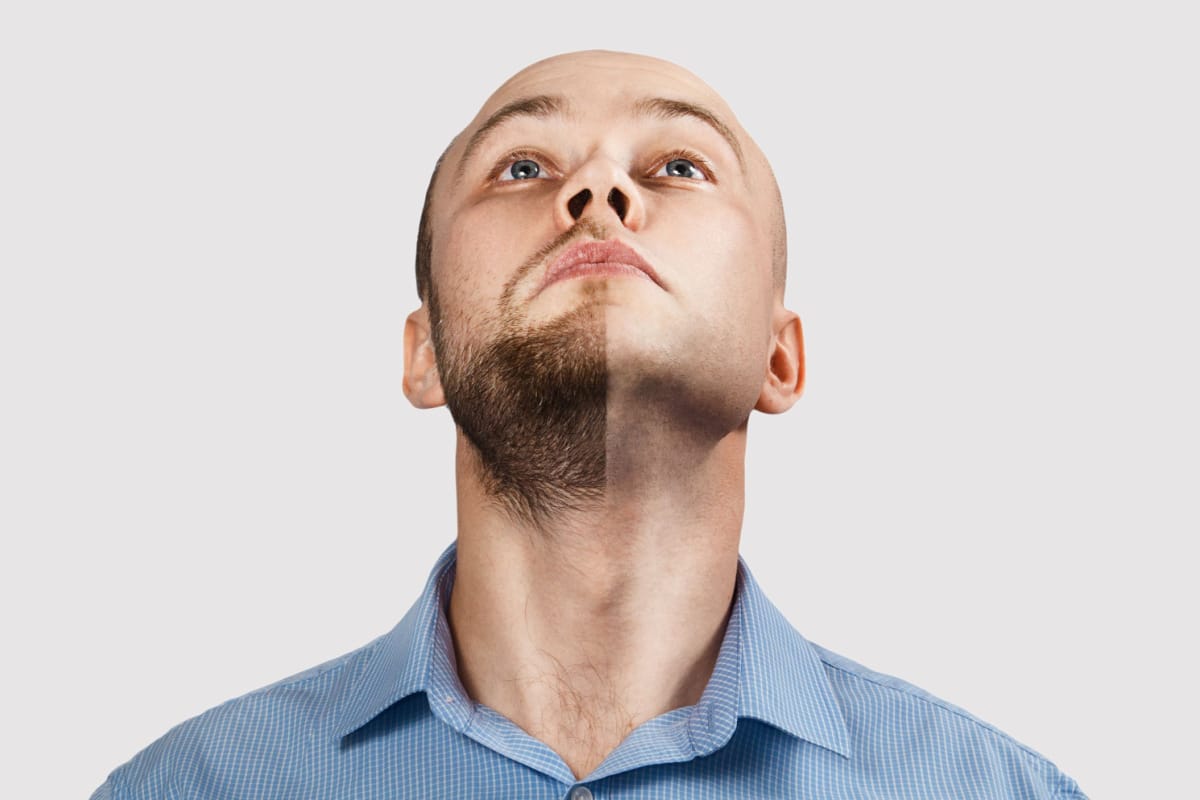
Beards have always been more than just facial hair—they are a cultural statement, a marker of masculinity, and for many, a source of confidence. Yet, not every man is naturally blessed with a thick, evenly distributed beard. Factors such as genetics, hormones, scarring, or certain skin conditions often leave men with patchy or thin facial hair. In recent years, beard transplantation has emerged as one of the most effective medical procedures to address this concern, offering permanent, natural-looking results.
This article provides a comprehensive guide to beard transplants, including the science behind the procedure, its benefits, potential drawbacks, and what patients can expect before, during, and after surgery.
1. Why Beards Matter More Than Ever
Throughout history, beards have symbolized wisdom, maturity, power, and attractiveness. In today’s modern world, these associations remain. Psychological studies suggest that men with full beards are often perceived as more dominant, trustworthy, and healthy compared to their clean-shaven counterparts.
A thick beard can:
-
Enhance facial symmetry and balance.
-
Cover scars, acne marks, or skin imperfections.
-
Contribute to a more mature and masculine appearance.
-
Boost self-confidence in both social and professional interactions.
For men unable to grow a dense beard naturally, the frustration can be significant. That is where beard transplantation enters as a life-changing solution.
2. What Is Beard Transplantation?
At its core, beard transplantation is a specialized form of hair restoration surgery. The process involves taking healthy hair follicles—usually from the scalp—and implanting them into areas of the face where growth is sparse or absent. Over time, these transplanted hairs grow just like natural beard hair, providing permanent coverage and density.
The Main Techniques
-
FUE (Follicular Unit Extraction):
-
The most popular modern method.
-
Individual follicles are extracted with tiny micro-punch tools (0.6–0.8 mm).
-
Leaves minimal scarring and offers quick recovery.
-
Provides a natural look due to precise angle and direction placement.
-
-
FUT (Follicular Unit Transplantation):
-
An older but still effective technique.
-
A strip of scalp skin is removed and dissected into follicular units.
-
Can yield a large number of grafts but leaves a linear scar.
-
-
SUT and Robotic-Assisted Methods:
-
Advanced techniques offering higher precision.
-
Some clinics now use robotic systems or laser-assisted devices to reduce human error and shorten procedure times.
-
Regardless of the method, the principle is the same: moving follicles from a donor area to a recipient area to create a natural beard.
3. Who Is a Good Candidate?
Not every man qualifies for a beard transplant. Surgeons usually look for:
-
Healthy Donor Area: The back or sides of the scalp must have enough viable hair.
-
Stable Health: Chronic conditions like uncontrolled diabetes, severe autoimmune disorders, or active skin infections may disqualify candidates.
-
Realistic Expectations: Patients must understand that the density achievable depends on donor supply and natural limitations.
-
Age: Typically, men over 25 are preferred, as beard growth patterns stabilize by then.
Common candidates include men with:
-
Naturally thin or patchy beards (genetic cause).
-
Scarring from burns, acne, or surgery.
-
Uneven beard patterns due to hormonal imbalances or alopecia areata.
4. The Procedure Step by Step
Step 1: Consultation
A detailed consultation ensures suitability. Doctors evaluate the patient’s beard area, scalp density, and health history. Digital simulations may be used to preview expected results.
Step 2: Pre-Operative Instructions
Patients are usually advised to:
-
Stop smoking and alcohol at least 2 weeks prior.
-
Avoid blood-thinning medications like aspirin.
-
Maintain a nutrient-rich diet for healthier follicles.
Step 3: Extraction
Using FUE or FUT, the surgeon carefully extracts follicles from the donor area. In FUE, tiny punches are used to remove follicles one by one.
Step 4: Graft Preparation
Follicles are stored in a nutrient-rich solution to ensure survival.
Step 5: Implantation
Small incisions are made in the beard area at angles of 30–45 degrees to mimic natural growth direction. Follicles are then inserted one by one.
Step 6: Recovery
The entire process usually takes 4–8 hours, depending on the number of grafts. Patients can go home the same day.
5. Recovery and Aftercare
The first 48 hours are crucial. Patients must avoid touching or scratching the treated area. Most clinics provide antibiotic and anti-inflammatory medications to reduce risks.
-
Day 3 onwards: Gentle washing with a mild shampoo is allowed.
-
Weeks 2–4: Shedding of transplanted hair (shock loss) occurs, which is normal.
-
Month 3: New hair growth begins.
-
Months 6–12: Final results appear, with the beard gaining full thickness.
During recovery, patients should avoid strenuous activity, sun exposure, and shaving with a razor until the grafts stabilize.
6. Benefits of Beard Transplantation
-
Permanent Results: Transplanted follicles grow for a lifetime.
-
Natural Look: Skilled surgeons replicate growth direction for authentic appearance.
-
Customizable Style: Patients can design their beard shape before surgery.
-
Psychological Boost: Confidence and self-image improve significantly.
-
Scar Coverage: Ideal for men with facial scars.
7. Risks and Limitations
While generally safe, beard transplantation carries some risks if not performed by an expert:
-
Infection or folliculitis (rare with proper hygiene).
-
Uneven growth if poorly executed.
-
Scarring in donor or recipient sites (minimal with FUE).
-
Cost concerns (varies by region and clinic).
It’s crucial to choose a clinic with certified, experienced surgeons to minimize risks.
8. Cost of Beard Transplantation
Prices vary globally:
-
Iran (Mashhad, Tehran): $250–$1,000 (highly affordable).
-
Turkey: $1,000–$3,000.
-
Europe/US: $3,000–$10,000.
Mashhad, in particular, has become a hotspot due to lower costs, skilled surgeons, and modern facilities—making it a popular destination for international patients.
9. Natural Alternatives to Consider
Before opting for surgery, some men try non-surgical methods:
-
Minoxidil (Rogaine): A topical solution that stimulates growth.
-
Microneedling: Improves blood circulation and follicle stimulation.
-
Diet & Supplements: Protein, zinc, iron, and biotin can support growth.
-
Essential Oils: Rosemary and peppermint oil are often used to improve circulation.
However, these methods work only if the follicles are active. In cases of scarring or genetic absence of follicles, beard transplantation remains the only permanent solution.
10. Psychological and Social Impact
Men who undergo the procedure often report:
-
Improved self-esteem.
-
Greater satisfaction with their appearance.
-
Increased confidence in professional and personal relationships.
The transformation is not just physical—it deeply influences mental health and social perception.
11. Beard Styles Possible After Transplant
Once growth is established, patients can style their beards however they like:
-
Full beard
-
Goatee
-
Stubble
-
Designer beard lines
-
Mustache + beard combinations
This versatility makes the procedure highly attractive.
12. Final Thoughts
Beard transplantation is not just a cosmetic luxury—it’s a scientifically backed, permanent solution for men struggling with thin or patchy facial hair. With advanced techniques like FUE, the results are virtually indistinguishable from natural beard growth.
For men seeking confidence, style, and self-expression, this procedure is life-changing. Choosing the right clinic and surgeon, following proper aftercare, and maintaining realistic expectations are the keys to success.
A full beard is no longer just a genetic gift—it’s now an achievable reality for anyone willing to take this modern step.
