


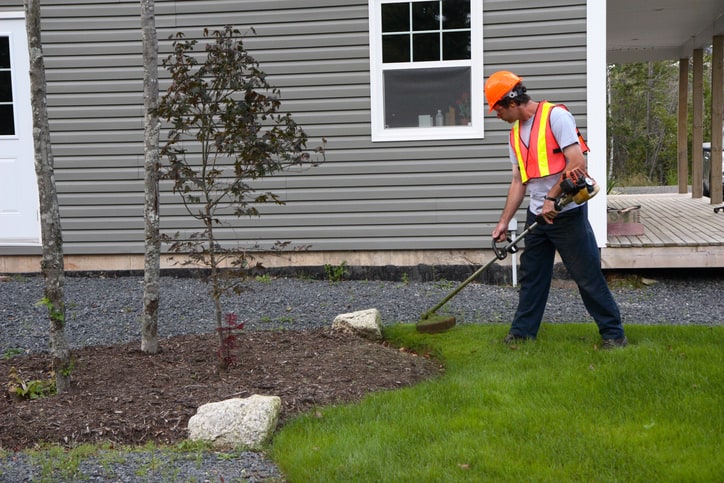
As you step out into your yard, you’re greeted by a mess of overgrown plants, parched soil, and a to-do list that seems to grow longer by the day. You’re not alone in your desire for a beautiful outdoor space that doesn’t consume your weekends. By making a few strategic decisions, you can create a low-maintenance yard that’s both stunning and stress-free. But where do you start? From savvy plant choices to clever hardscaping and smart watering systems, there are several essential tips to help you achieve your goal – and we’re about to uncover them littlerocklawnlandscaping.
Choose Low-Maintenance Plant Options
When you’re landscaping your outdoor space, you’re likely looking for ways to make the most of your time and energy.
One of the best ways to do this is by choosing low-maintenance plant options. You don’t want to spend hours every week tending to your garden, only to have it look mediocre.
Look for plants that are native to your region or have low watering requirements. Succulents and drought-tolerant plants are great options, as they can thrive with minimal watering.
You should also consider plants that don’t require frequent pruning or trimming, like boxwood or yew.
Another thing to keep in mind is the amount of sunlight your plants will receive.
Choose plants that are suitable for the amount of sunlight your yard gets. If you have a shady area, look for plants that can tolerate low light conditions, like ferns or impatiens.
Design for Efficiency and Flow
Design for Efficiency and Flow
Most outdoor spaces have multiple areas, each serving a different purpose. You might’ve a patio for dining, a garden for growing vegetables, and a lawn for recreation.
To create a low-maintenance yard, you need to design these areas to work together efficiently. Start by identifying how you’ll use each space and how they’ll connect. Consider the flow of traffic and how you can minimize walking distances between areas. This will help reduce wear and tear on your lawn and gardens.
Group similar activities together to reduce the need for frequent transitions. For example, place your garden near your outdoor kitchen to minimize trips back and forth.
Consider the sun’s direction and how it will impact each area. Place plants that require full sun in areas that receive direct sunlight, and shade-loving plants in areas that receive partial shade.
Hardscaping for Reduced Upkeep
Pave the way to a low-maintenance yard by incorporating hardscaping elements that reduce upkeep.
You’ll be amazed at how much time and effort you’ll save by using materials like stone, brick, or concrete for patios, walkways, and driveways. These materials are incredibly durable and require minimal maintenance, unlike grass or plants that need regular watering, mowing, and pruning.
When selecting hardscaping materials, consider the climate and region you live in.
For example, if you live in a hot and sunny area, choose light-colored materials that won’t absorb heat. If you live in a rainy region, opt for materials with good drainage to prevent water accumulation. Additionally, think about the overall aesthetic you want to achieve. Do you prefer a modern, sleek look or a more rustic, natural appearance?
Mulch and Groundcover Strategies
As you transition from hardscaping to softer elements, mulch and groundcover strategies become essential for a low-maintenance yard.
Mulch helps retain moisture, suppress weeds, and regulate soil temperature, making it a crucial component of your landscaping plan. Choose an organic mulch like wood chips, bark, or pine straw, and apply a 2-3 inch layer around plants and trees. Replenish as needed to maintain its effectiveness.
Groundcovers, on the other hand, are low-growing plants that fill in gaps between pavers, stones, or other hardscapes.
They help reduce weed growth, minimize erosion, and create a uniform appearance. Select a groundcover that suits your climate and soil type, such as creeping thyme, sedum, or vinca minor. Plant them closely together to ensure quick spread and maximum coverage.
Mulch and groundcovers work together to create a visually appealing and low-maintenance landscape. By incorporating these strategies, you’ll reduce the time and effort spent on yard work, and enjoy a beautiful outdoor space.
Smart Watering and Drainage Systems
Now that you’ve tackled mulch and groundcovers, it’s time to think about how to make the most of every drop of water in your yard.
A smart watering system is essential for a low-maintenance yard. You’ll want to install rain sensors and moisture meters to ensure your plants get the right amount of water.
Drip irrigation and soaker hoses are also effective ways to deliver water directly to the roots, reducing evaporation and runoff.
When it comes to drainage, you’ll want to make sure excess water can flow freely away from your home and plants.
Install French drains or swales to direct water to a safe area. You should also consider installing a rain barrel or cistern to collect and store rainwater for future use.
By implementing these smart watering and drainage systems, you’ll save time, money, and resources while keeping your yard healthy and thriving.
With these systems in place, you’ll be able to enjoy your outdoor space without worrying about water waste or damage from excess moisture.
Conclusion
You’ve got the basics of a low-maintenance yard down! By choosing native plants and succulents, designing for efficiency, using durable hardscaping materials, and implementing smart watering and drainage systems, you’ll be well on your way to a stress-free outdoor space. With mulch and groundcovers to reduce weeds and erosion, you can sit back and enjoy your yard without breaking a sweat. Now, get out there and start creating your perfect, low-fuss oasis!